 9.4
9.4
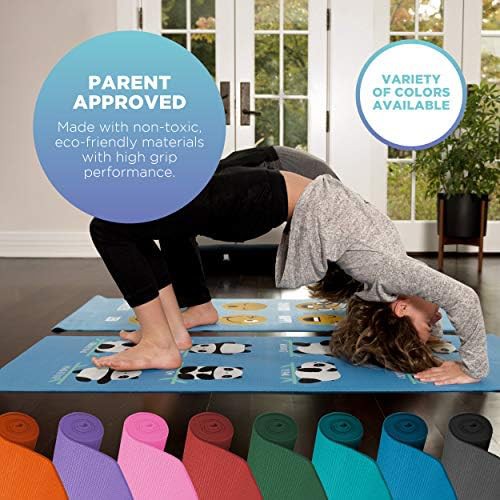
CopyCat Yoga
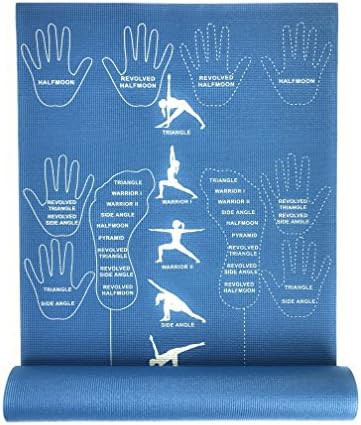
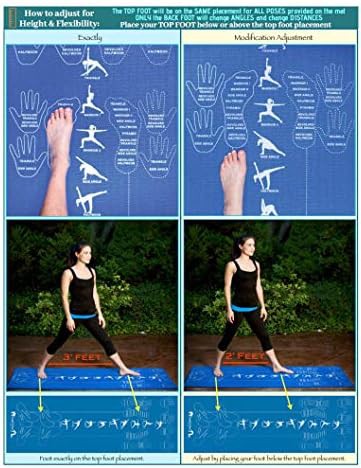
Instructional alignment extra long yoga mat
$65
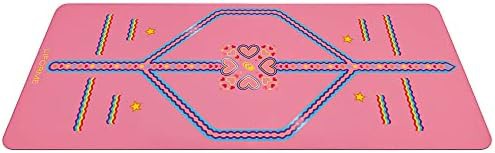
With alignment lines Extra long Printed For kids For beginners
Sustainable mats made from non-toxic and biodegradable materials 60 mats · 31 brands
9.4
With alignment lines Extra long Printed For kids For beginners
 9.4
9.4
 9.4
9.4
 9.4
9.4
 9.4
9.4
 9.4
9.4
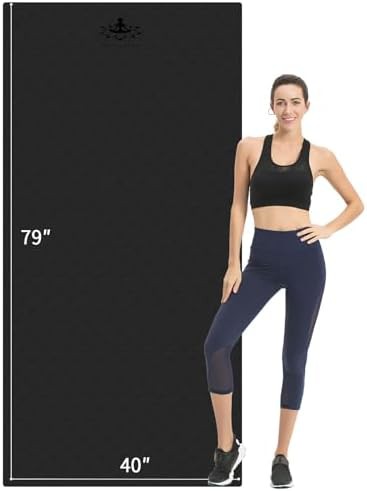
Non-slip Large 6'x4' exercise mats With alignment lines Natural rubber Cork
 9.4
9.4
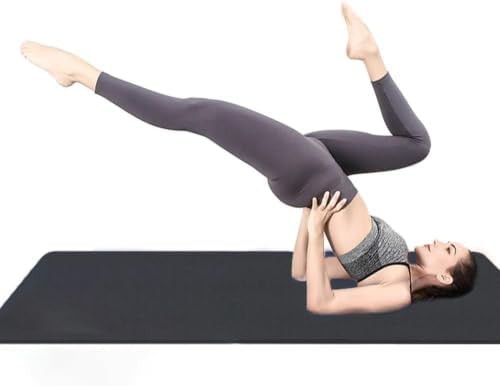
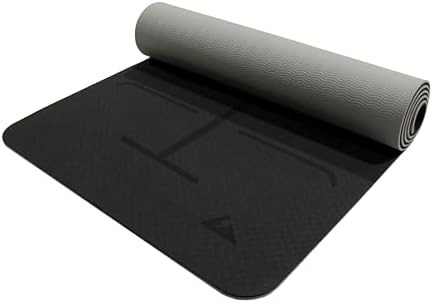
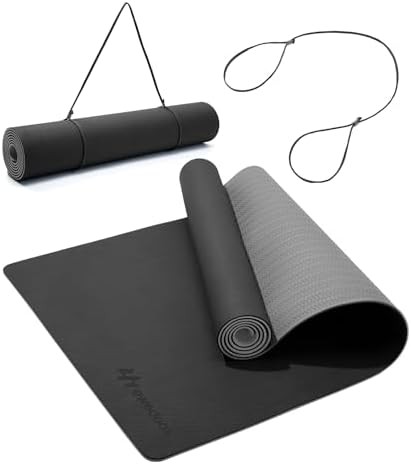
Black Non-slip Pilates mats TPE Stretching mats
 9.4
9.4
 9.4
9.4
 9.3
9.3
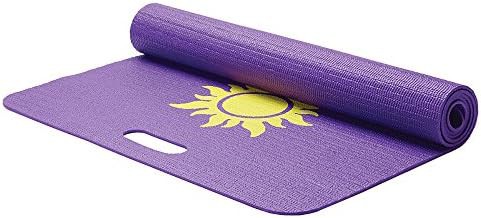
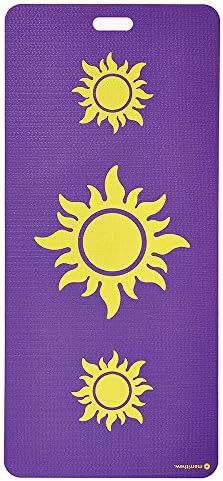
15.6" Non-slip For kids 4mm Purple
 9.3
9.3
 9.3
9.3
 9.3
9.3
 9.3
9.3
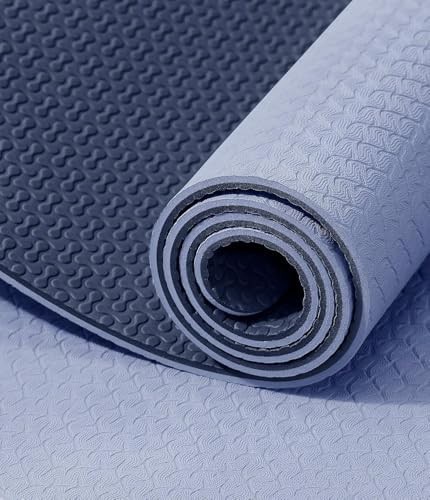
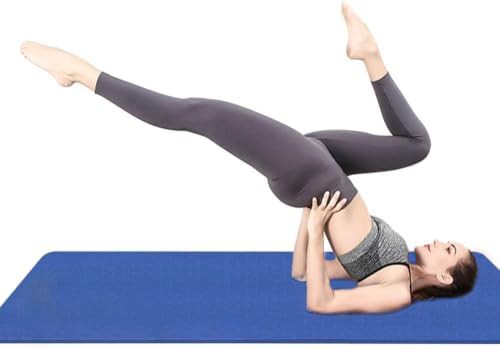
Blue Non-slip Pilates mats Stretching mats Foldable
 9.3
9.3
 9.3
9.3
 9.3
9.3
 9.2
9.2
Non-slip With alignment lines Hot Cork
 9.2
9.2
Blue Non-slip Pilates mats TPE Stretching mats
 9.1
9.1
 9.1
9.1
 9.0
9.0
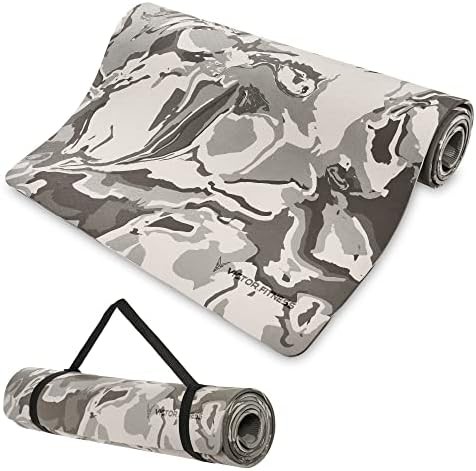 8.7
8.7
Gray Non-slip Pilates mats TPE Affordable
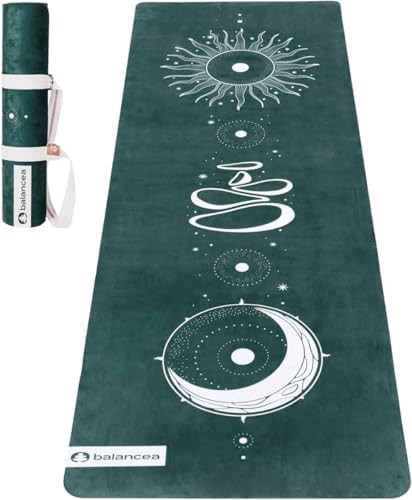 8.7
8.7
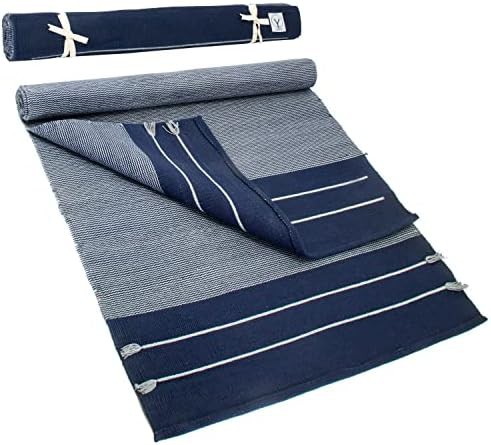 8.6
8.6
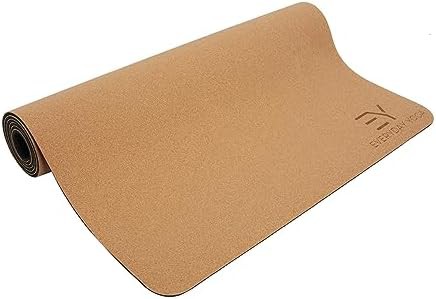 8.5
8.5
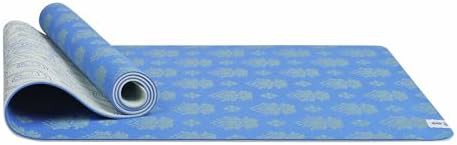 8.4
8.4
Blue Men Non-slip Pilates mats TPE Affordable
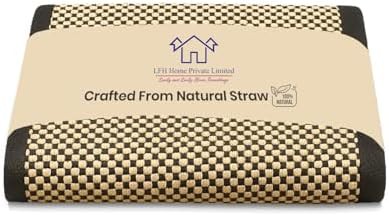 7.9
7.9
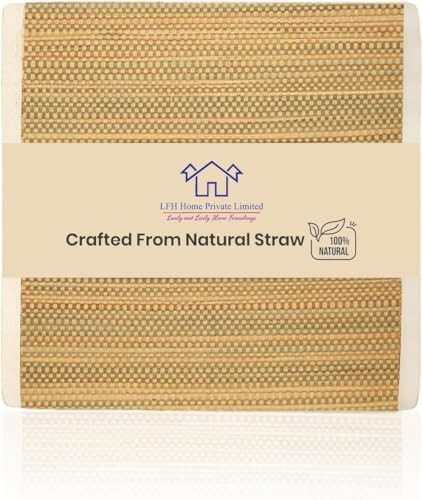 7.8
7.8
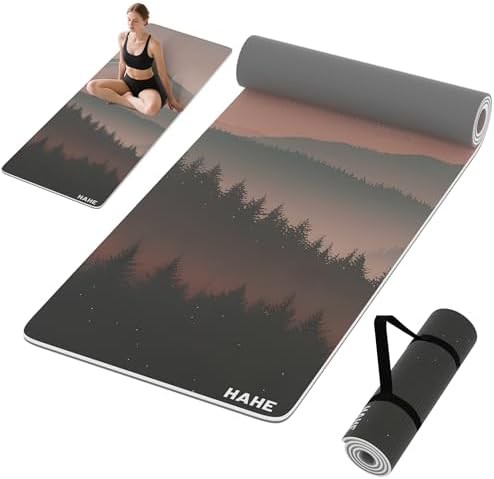 7.8
7.8
 7.8
7.8
Non-slip With alignment lines Natural rubber Hot Professional
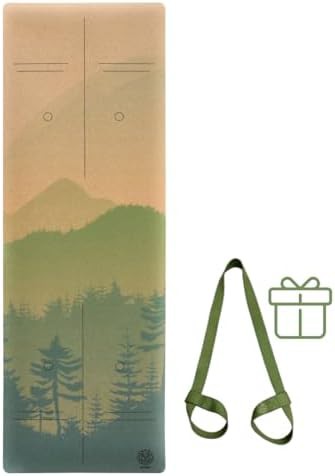
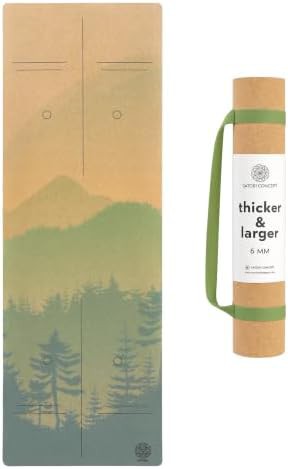
Non-slip 6mm Natural rubber Extra large workout mats Cork
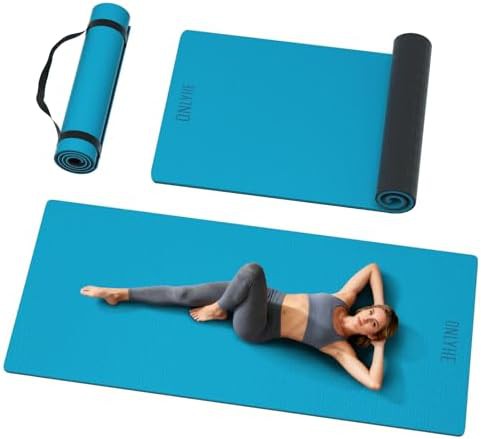
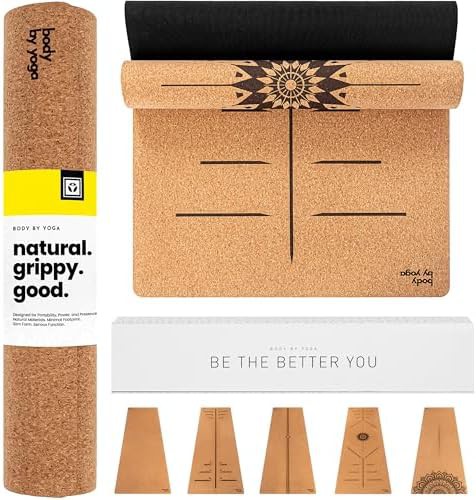
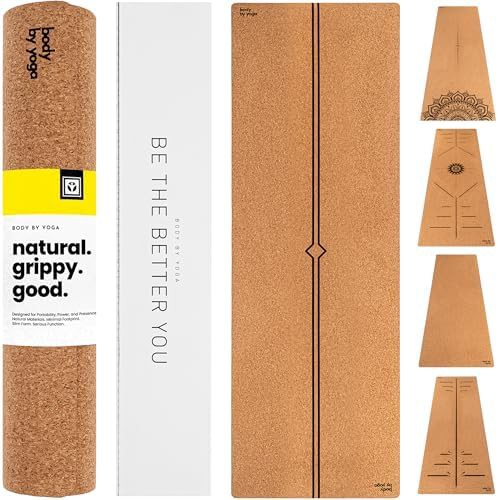
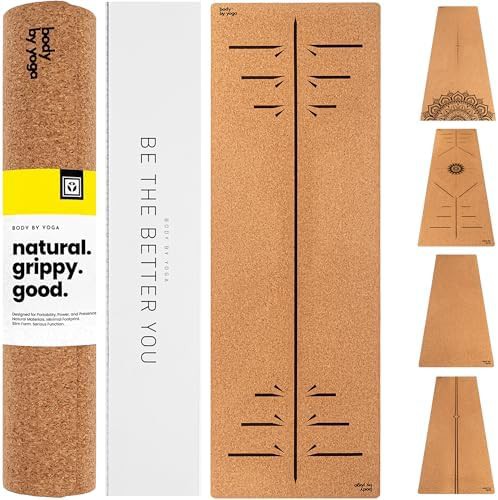
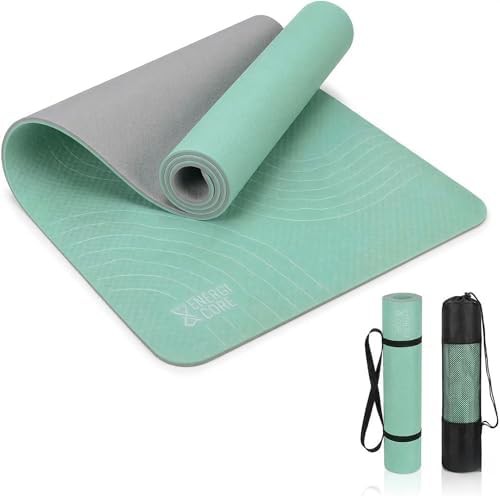
Men Women Non-slip Pilates mats TPE Affordable
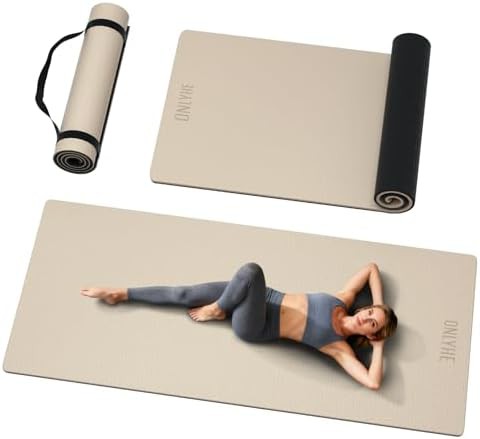
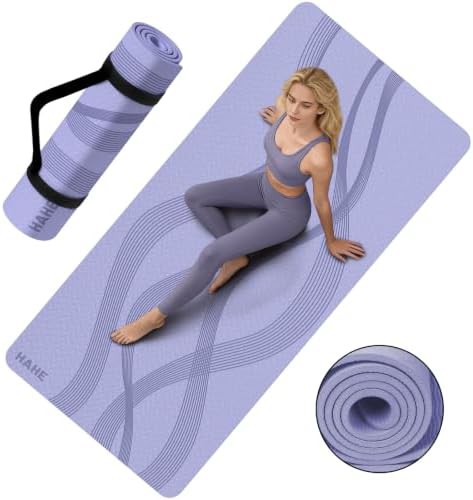
Men Women Pilates mats Stretching mats Affordable
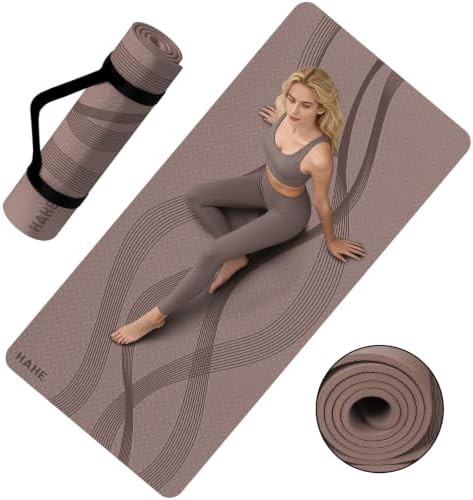
Brown Men Women Pilates mats Stretching mats Affordable
Yes, cork tends to get tackier as moisture builds on the surface, which is why it suits hot yoga. A dry cork mat can feel a bit slick at first until it warms up. TPE mats behave the opposite way and need a towel once sweat sits on them.
TPE resists tearing and flaking well, but it can compress over time with heavy daily use. Cork surfaces wear slowly but need to be kept dry between sessions to avoid the base degrading. Both hold up better when stored rolled and out of direct sun.
Wipe cork with a damp cloth and let it air dry fully before rolling, since trapped moisture damages the base. TPE can take a mild soap and water wipe, then a full air dry. Avoid soaking either one or leaving them damp in a bag.
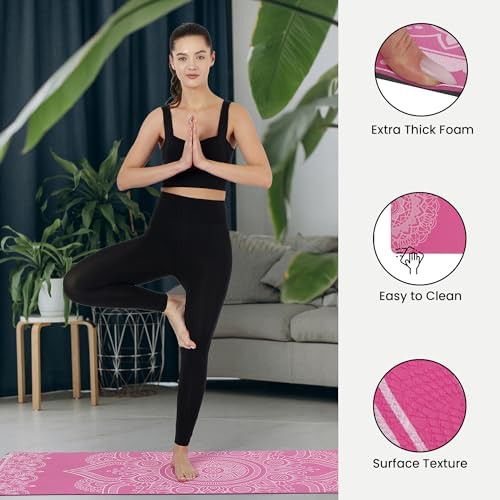
At 6 mm the cushion is noticeable, which helps knees and wrists but can make standing balances feel less stable. A 4.25 mm cork mat sits closer to the floor for better ground feel. If balance work is your focus, the thinner option is the better fit.
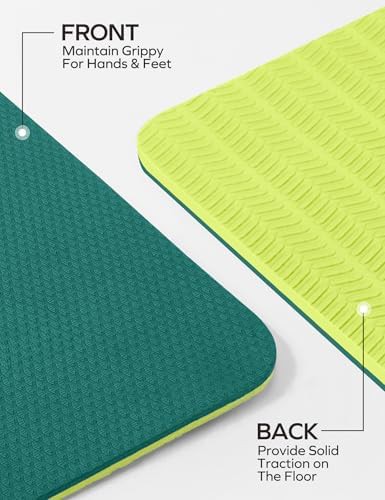
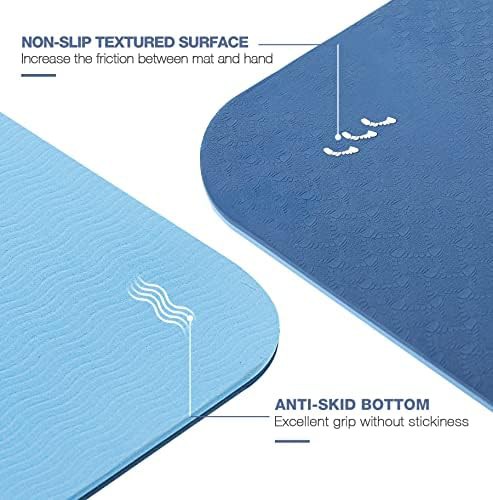
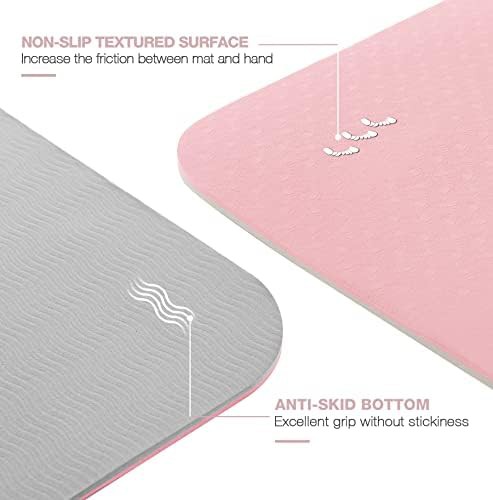
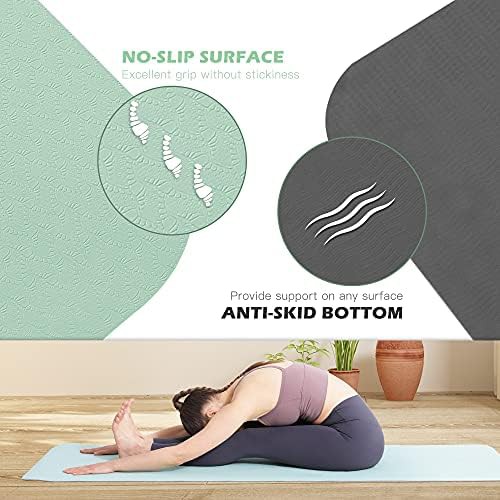
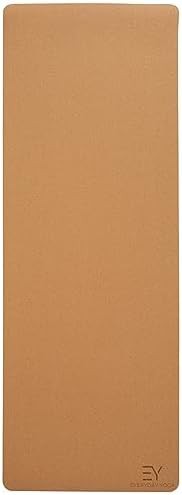
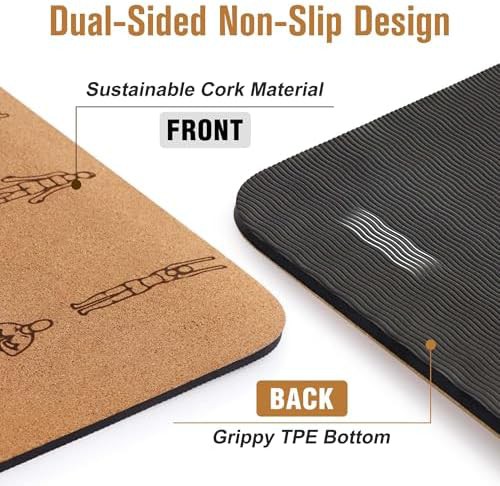
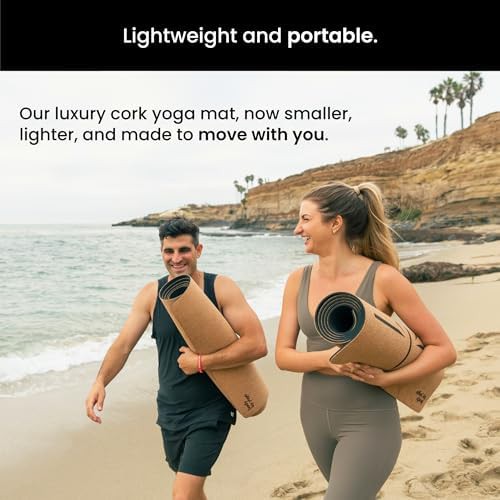
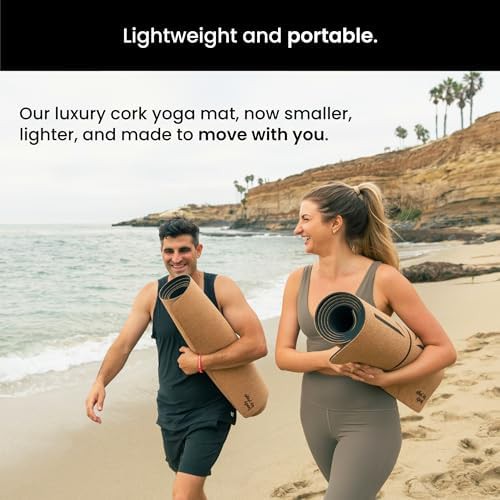
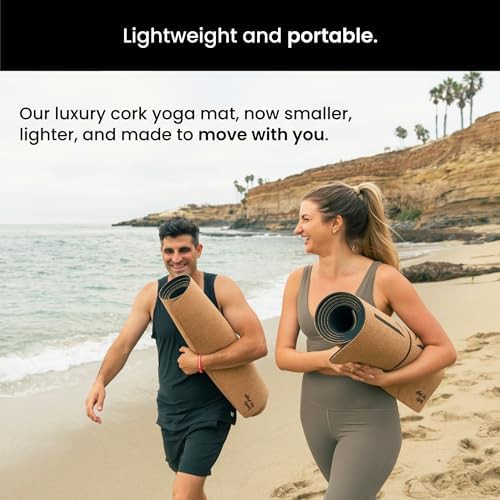
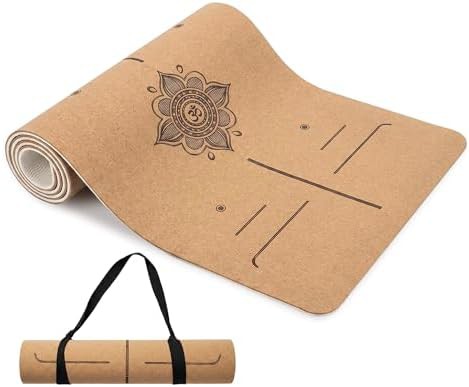
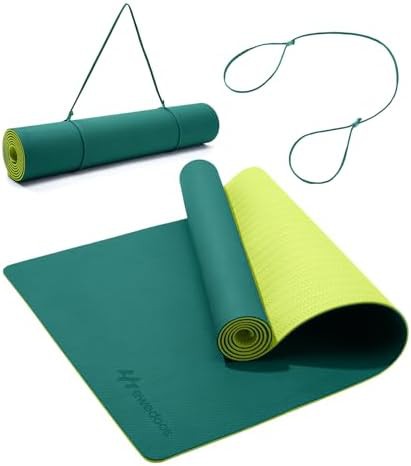
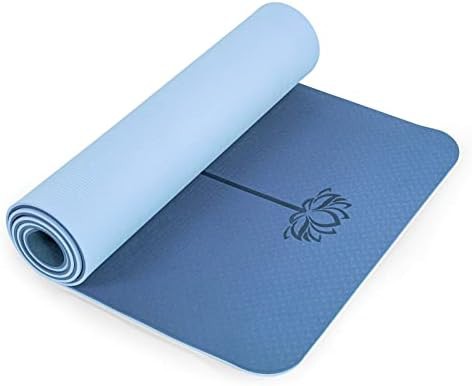
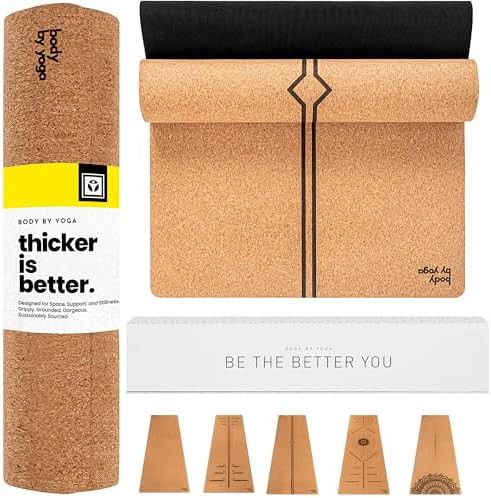
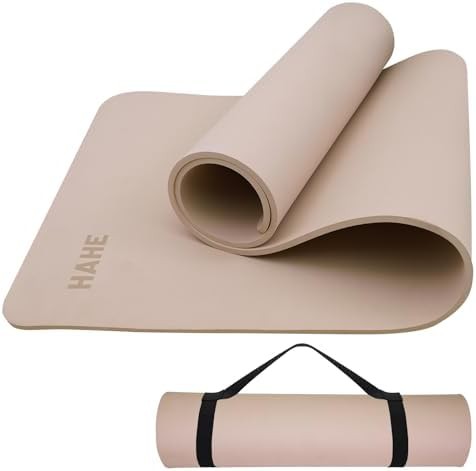
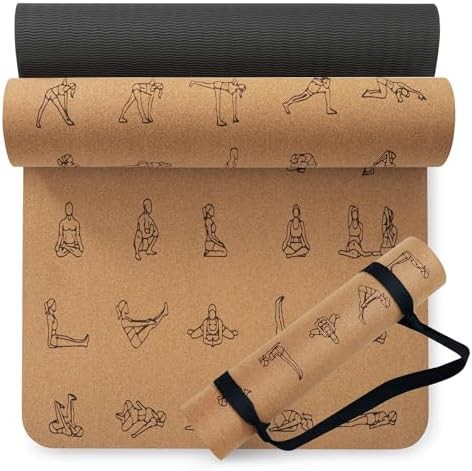
These mats are built around cork or TPE rather than standard PVC foam, and the listings call out natural, non-toxic, and biodegradable materials. Cork surfaces sit on a TPE base, giving a firm, dry feel that grips better as it warms from body heat. TPE mats are lighter and springier, with an anti-tear surface that resists flaking.
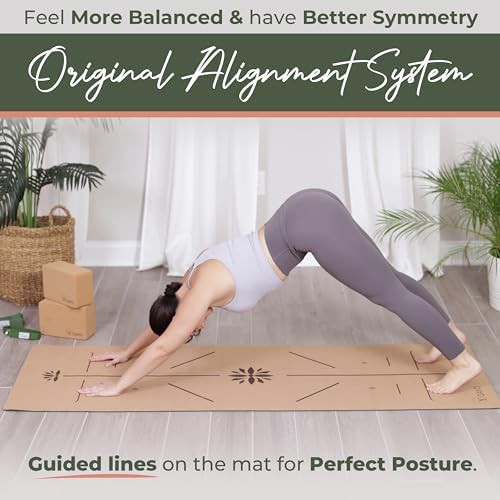
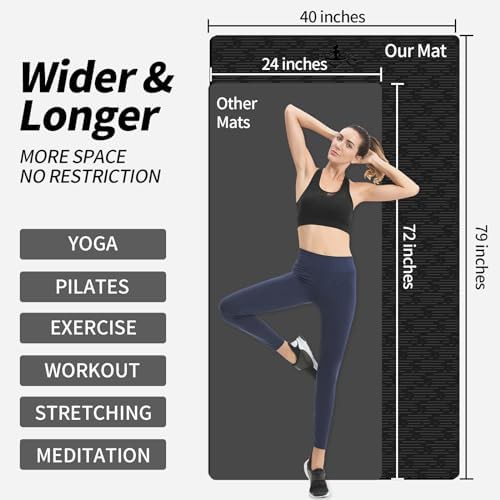
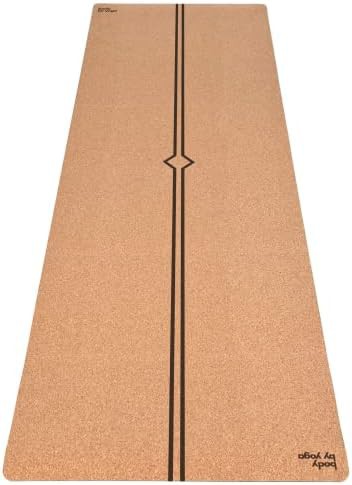
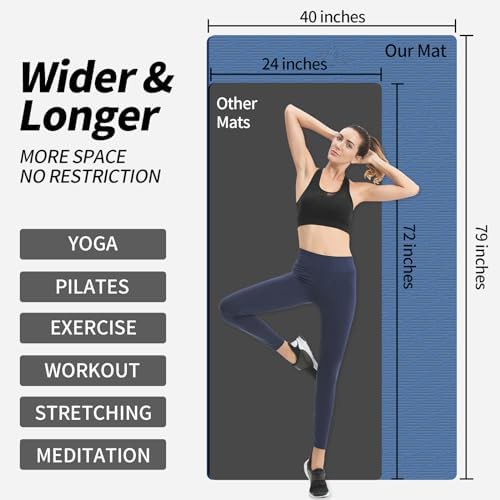
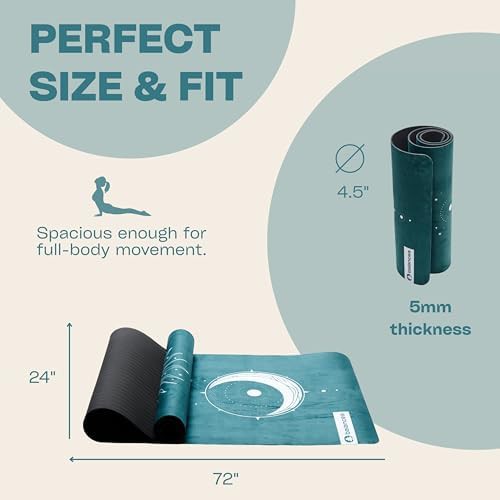
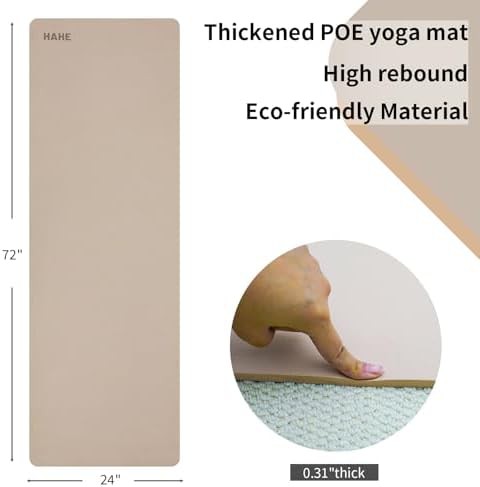
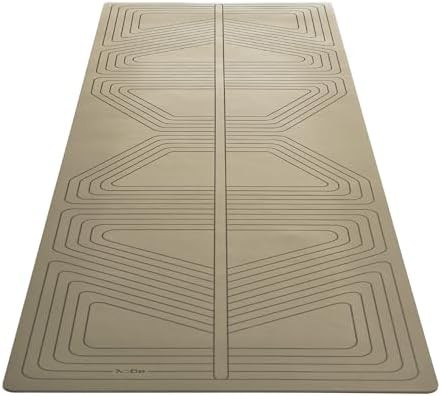
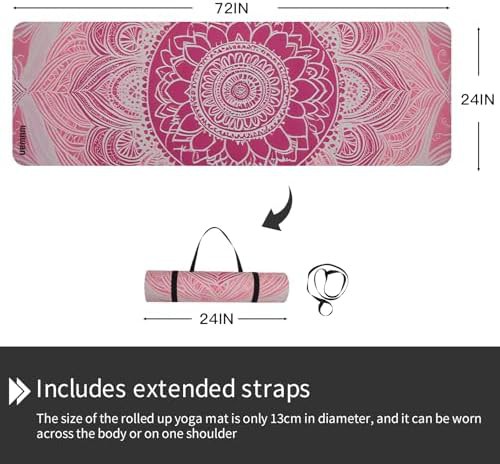
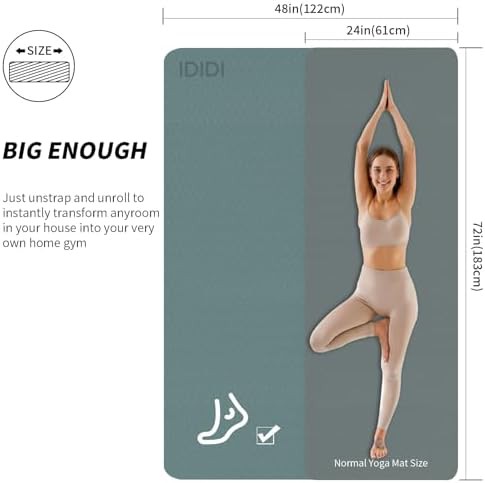
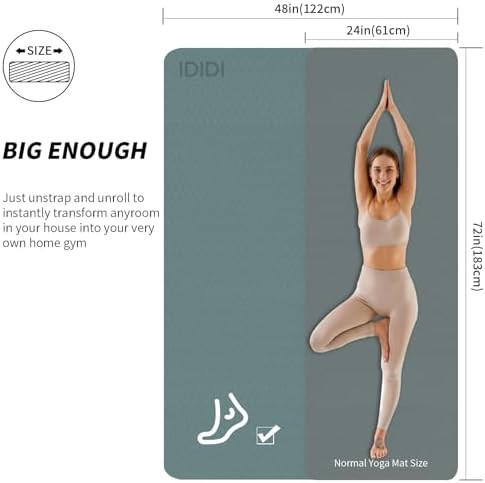
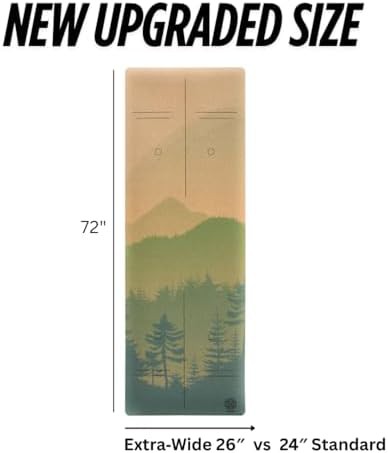
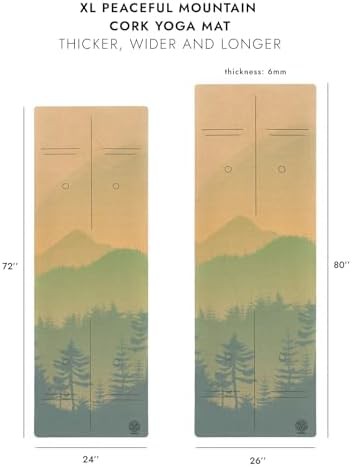
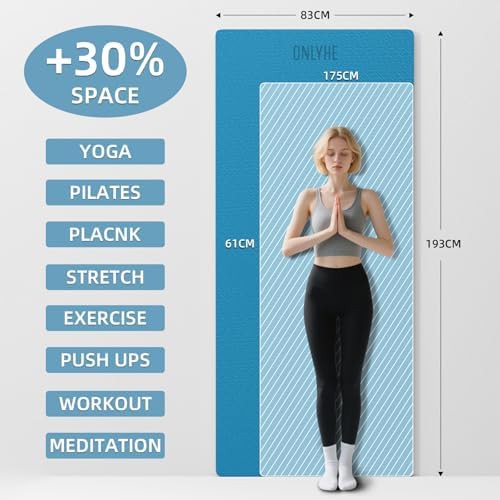
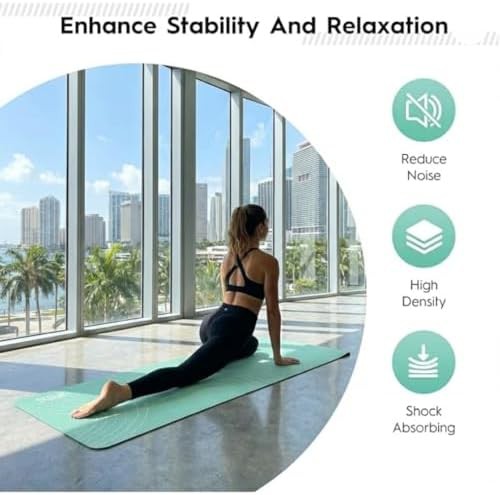
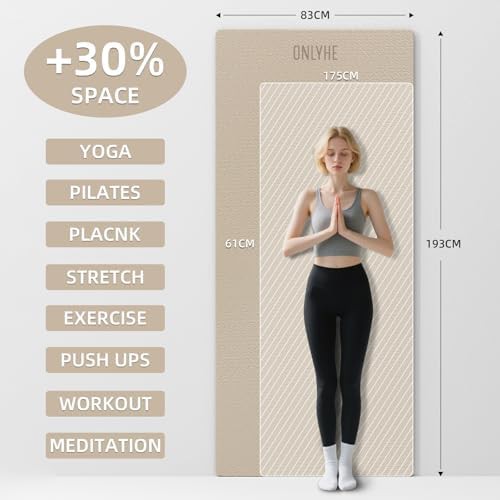
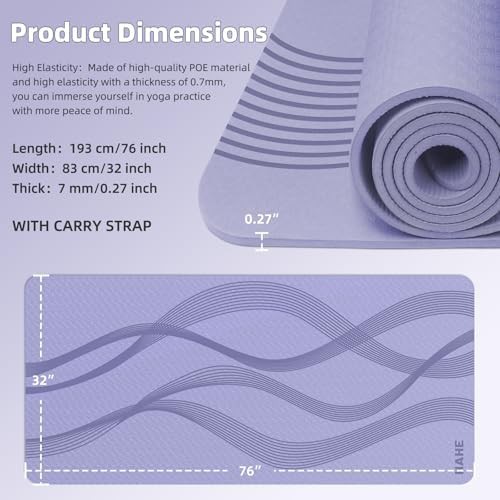
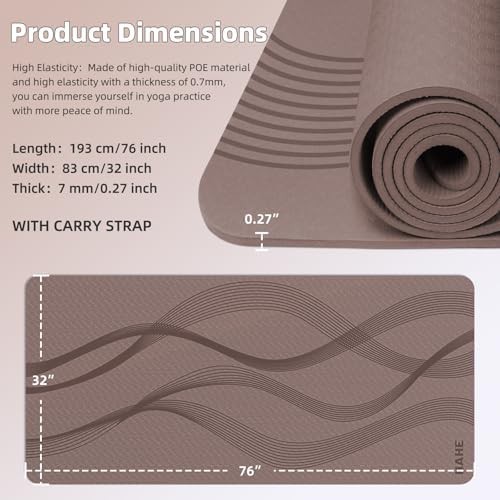
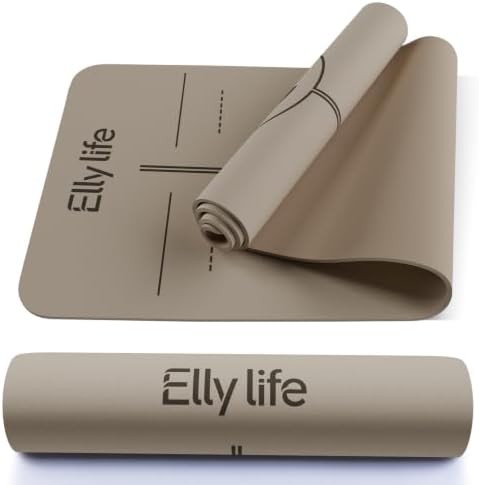
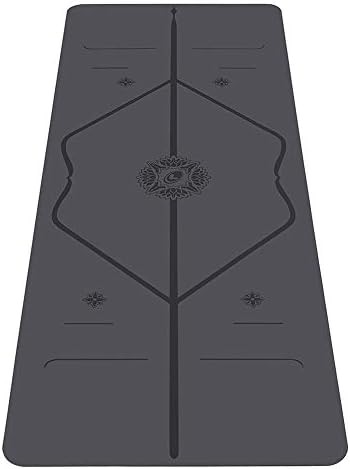
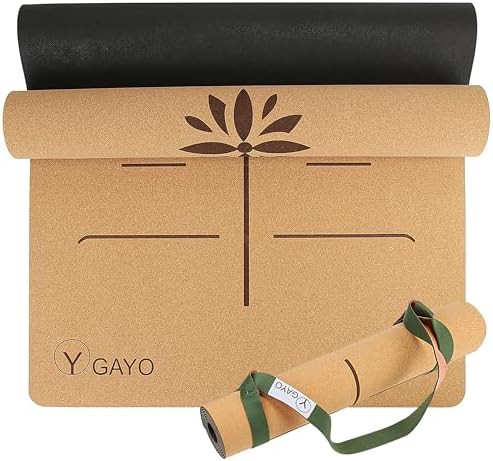
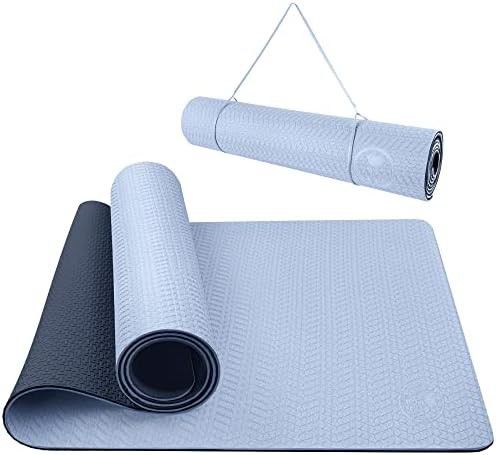
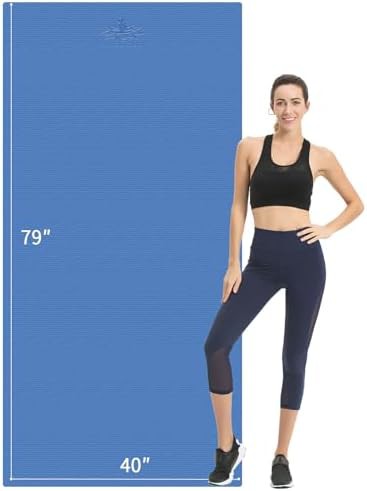
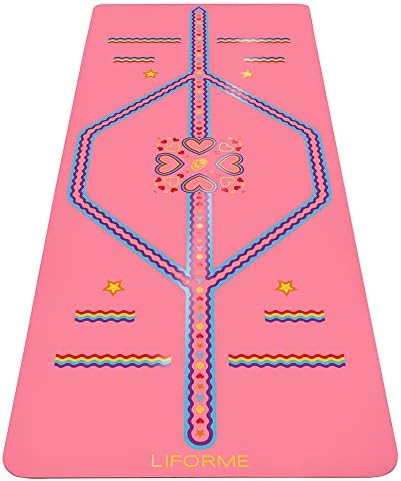
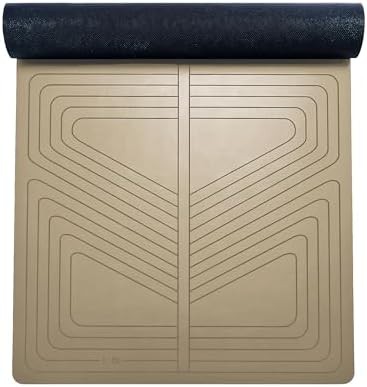
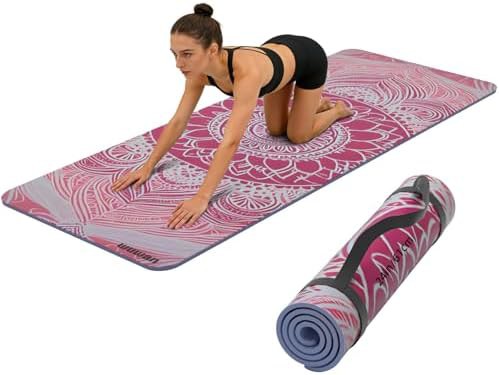
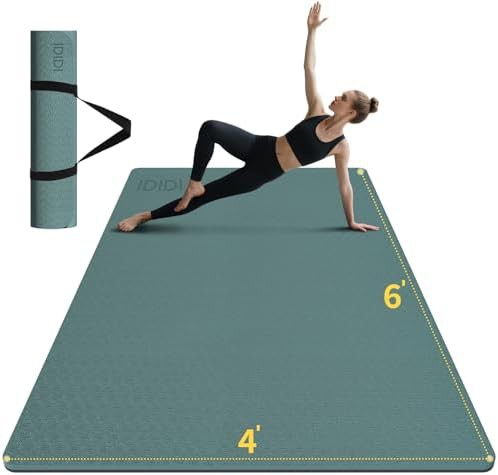
The cork-topped versions often come in longer and wider cuts than a standard mat, and some include optional alignment lines printed on the surface. Thickness runs from a 4.25 mm mini up to 6 mm, with the thicker cork mats aimed at hot yoga and extra cushioning. TPE mats in this group tend toward 6 mm and a 72 by 24 inch footprint.
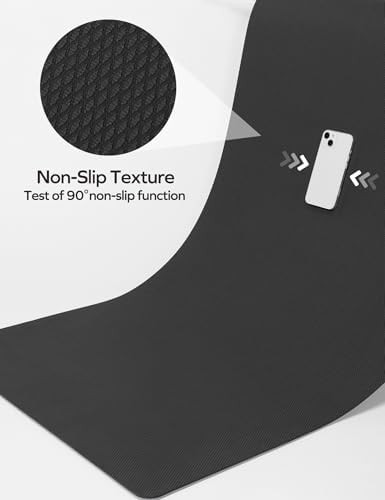
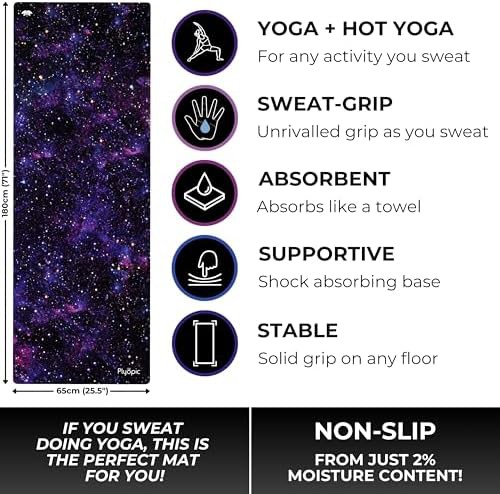
Cork feels dense and slightly rough underfoot, and it handles sweat well because moisture actually improves the grip instead of making it slick. TPE is softer and more cushioned, closer to a traditional foam mat in feel, but it can get slippery when wet and tends to be lighter to carry. If you practice hot yoga or sweat heavily, cork is the more reliable surface; for general home workouts and Pilates, TPE is the easier mat to live with.
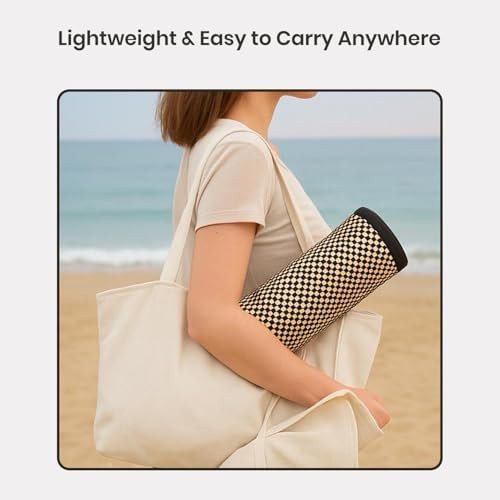
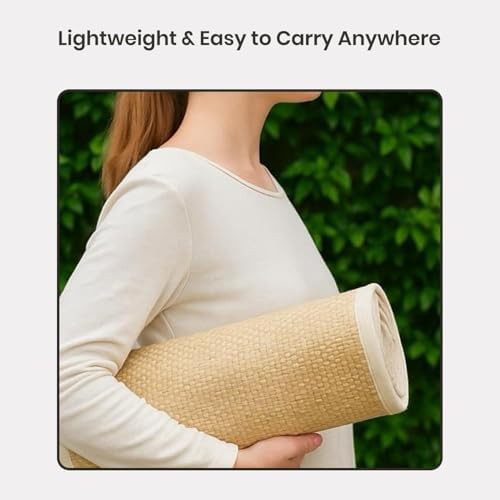
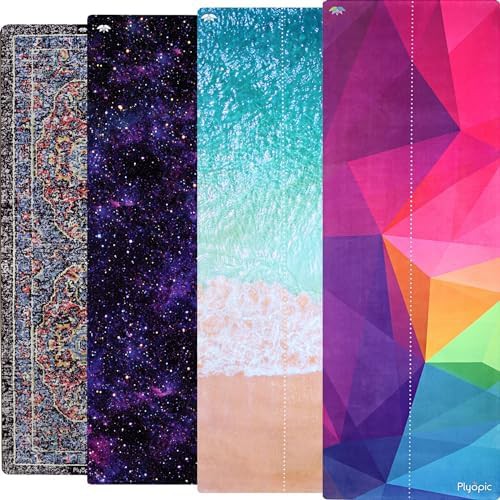
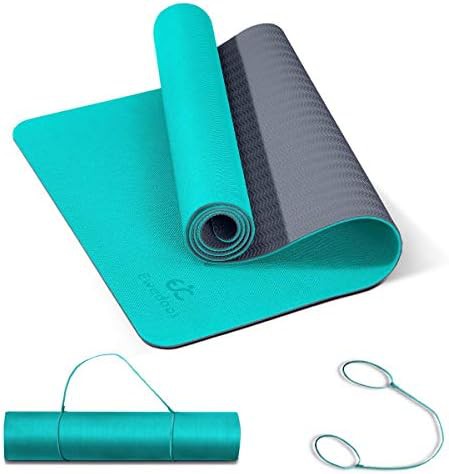
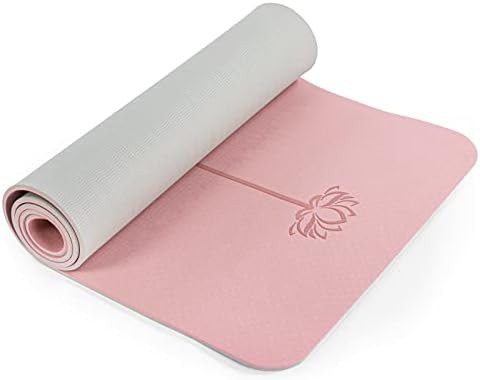
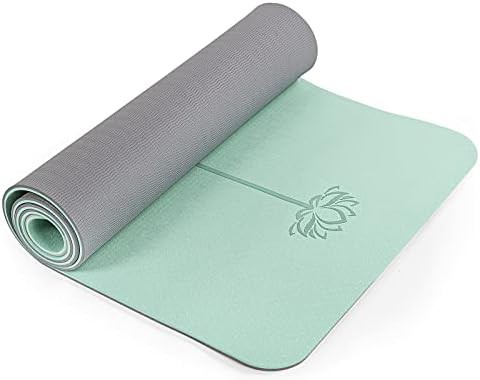
Lengths and widths vary, with mini cork mats at 72 by 24 inches and thicker cork versions running longer and wider for more support. Colors lean toward natural cork tones alongside gray, green, blue, black, and brown. Some mats include alignment markings, and a few ship with a carrying sling for transport.