 9.3
9.3
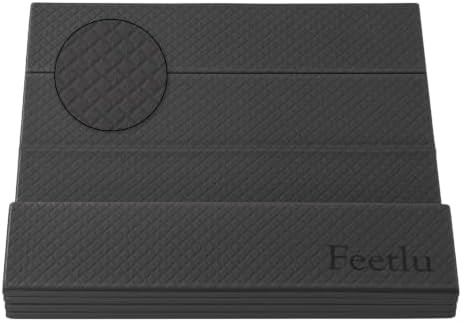
Feetlu
Coffee foldable lightweight fitness mat
$47.30
Brown Non-slip Pilates mats Stretching mats 6mm Lightweight
Non-toxic polymer mats designed for safety and environmental friendliness 11 mats · 5 brands
9.3
Brown Non-slip Pilates mats Stretching mats 6mm Lightweight
 9.3
9.3
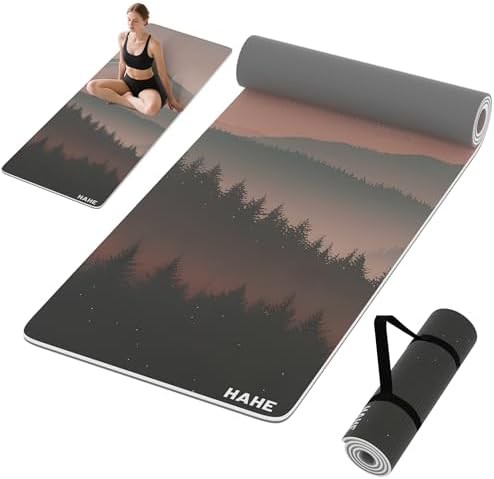
Black Non-slip Pilates mats Stretching mats 6mm Lightweight
 7.8
7.8
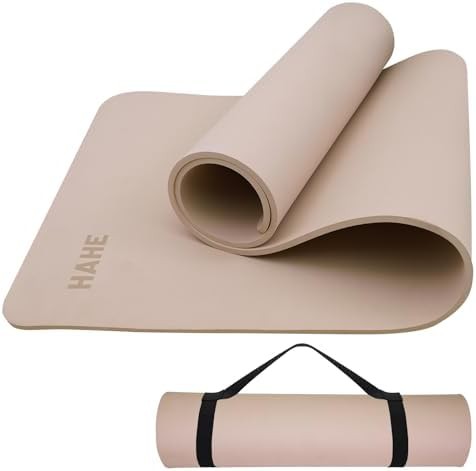
Non-slip Pilates mats TPE Affordable Eco-friendly 8mm
 7.8
7.8
Non-slip Pilates mats TPE Affordable Eco-friendly 8mm
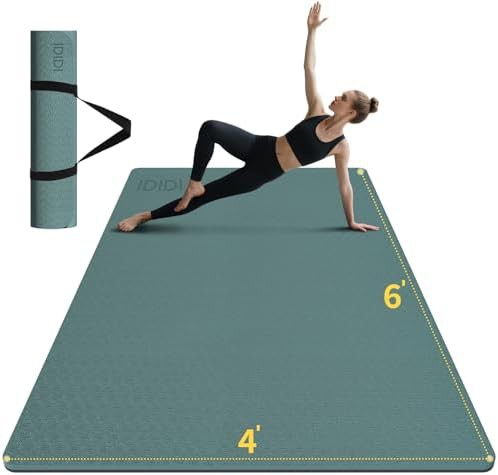
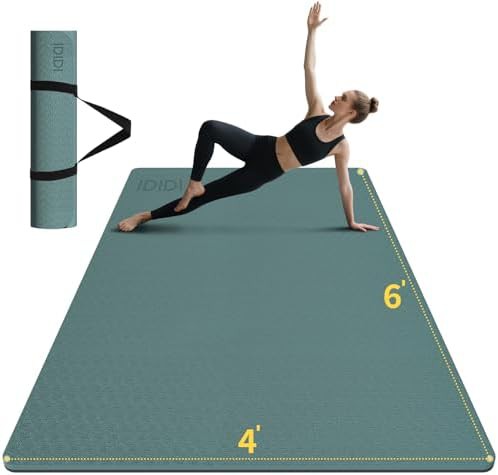
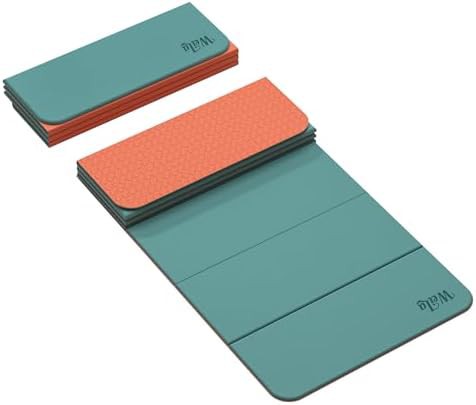
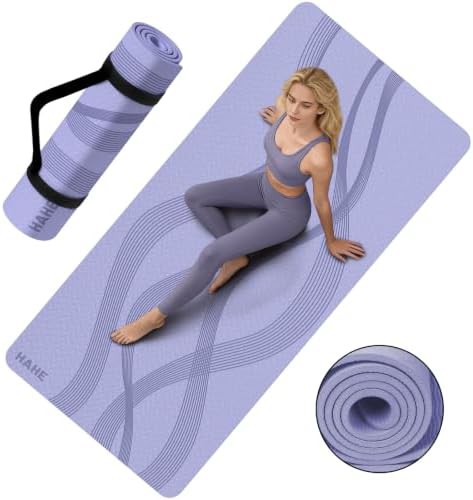
Men Women Pilates mats Stretching mats Affordable Eco-friendly
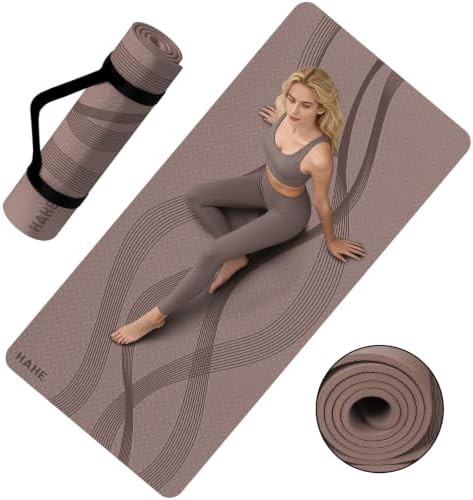
Brown Men Women Pilates mats Stretching mats Affordable
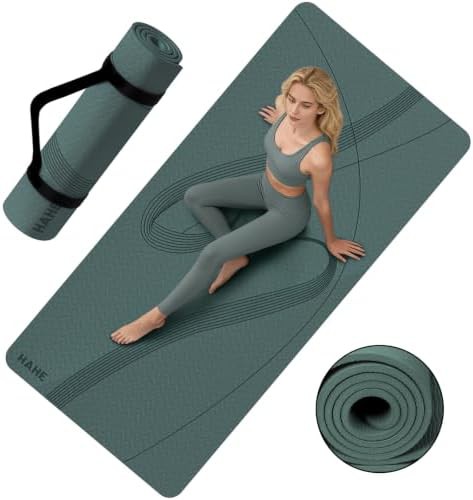
Green Men Women Pilates mats Stretching mats Affordable
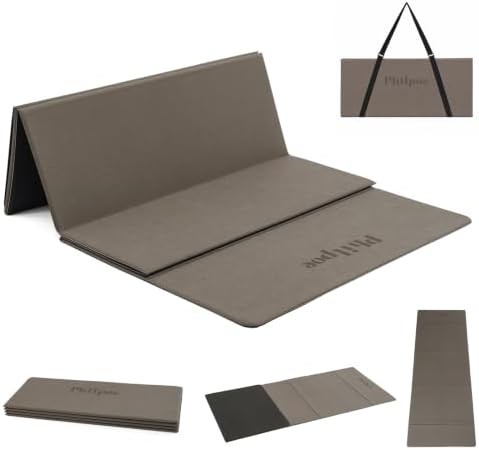
Non-slip Pilates mats Stretching mats 6mm Lightweight Foldable
POE is formulated to be odorless, and the samples describe it that way. If any faint foam scent lingers after unrolling, airing the mat flat for a day usually clears it. The closed-cell surface does not hold onto odors the way open-cell foam can.
A 6mm POE mat gives a firm, grounded feel that many people prefer for balance poses. For kneeling or seated floor work, an 8mm or 10mm version adds cushioning without losing stability. The 12mm option is the softest of the group and best suited to restorative or floor-based sessions.
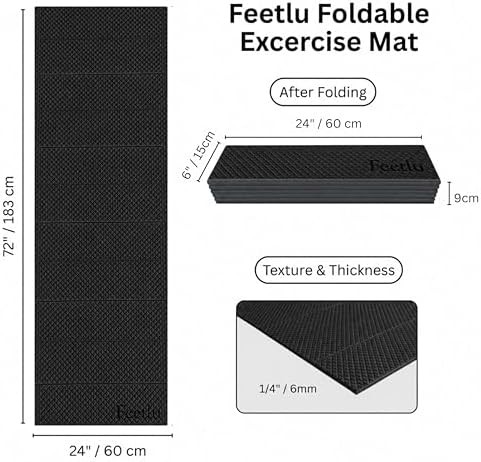
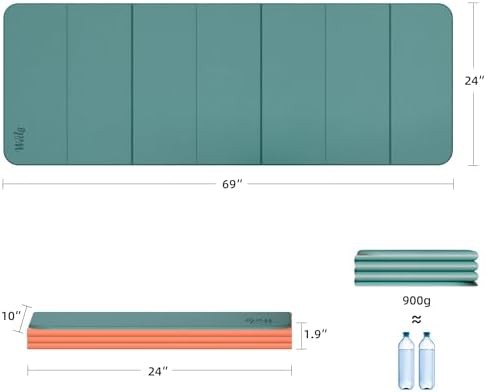
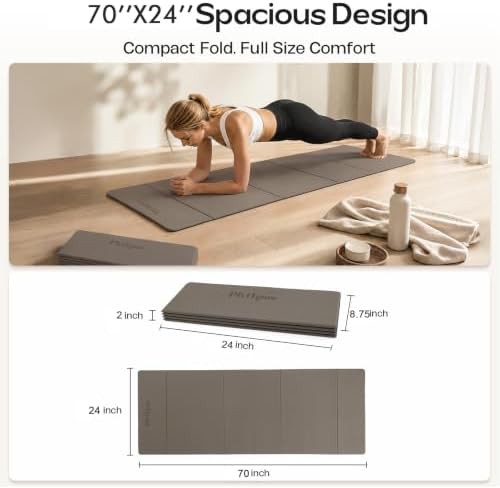
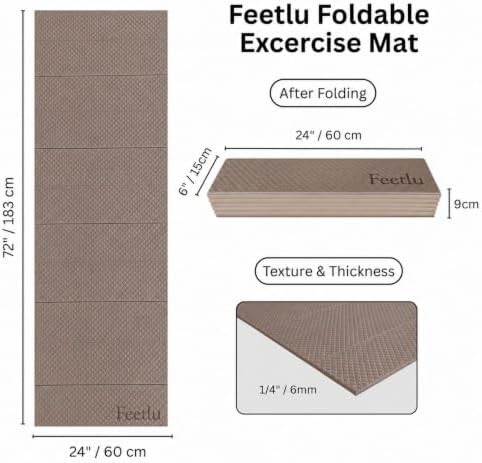
Foldable POE mats are designed with crease lines so they collapse into a flat rectangle. That makes them easier to stash on a shelf or in a tote than a rolled mat. Standard rolled POE mats are not meant to be folded, since sharp creases can weaken the foam over time.
POE has a denser, firmer surface than TPE, which some people find more stable for standing poses. Natural rubber tends to be grippier when damp, but it is heavier and has a distinct rubber smell. POE sits between them: lighter than rubber, firmer than most TPE foams.
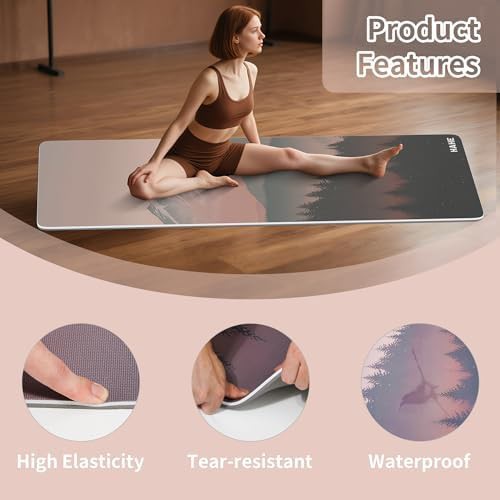
POE mats are a closed-cell polymer foam, which makes them lighter than rubber and denser than basic PVC. That density translates to a firm, stable surface that does not bottom out under hands and knees, so wrist pressure during plank or downward dog stays predictable. The material is also odorless by design, which matters if you practice in a small room or leave the mat rolled in a car between sessions.
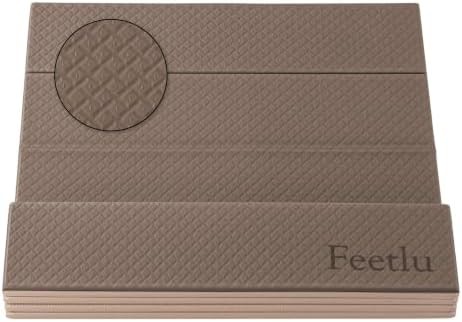
The surface is textured for grip, and the samples show that texture working on both sides of foldable versions. A 6mm POE mat feels compact and grounded, while an 8mm or 10mm version adds cushioning for floor work without becoming squishy. Because the foam resists moisture absorption, sweat beads on the surface rather than soaking in, which keeps the mat from getting heavy mid-practice.
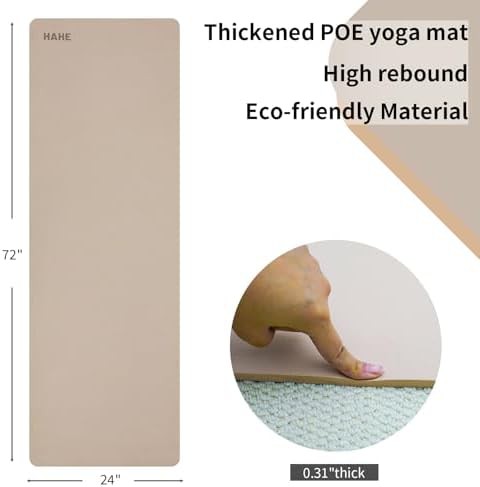
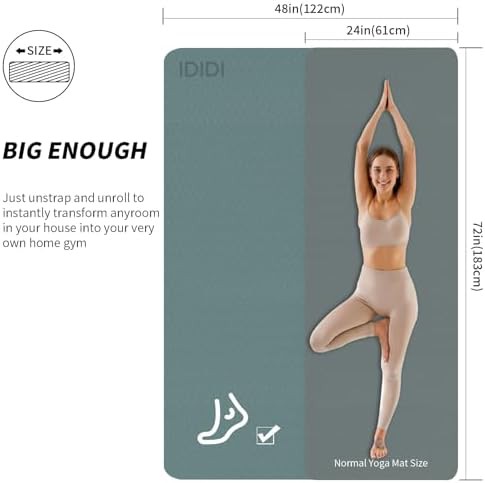
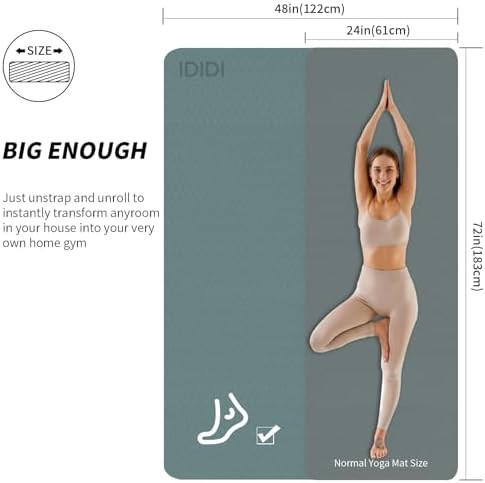
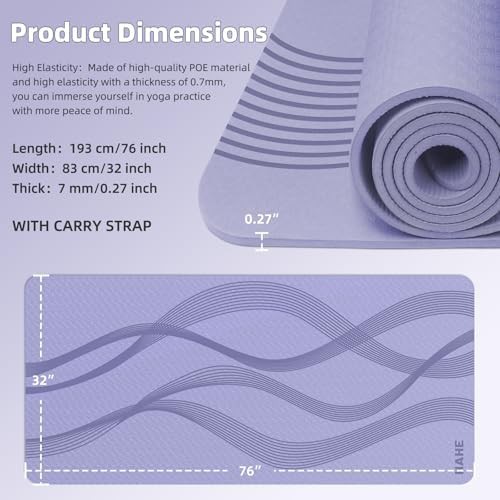
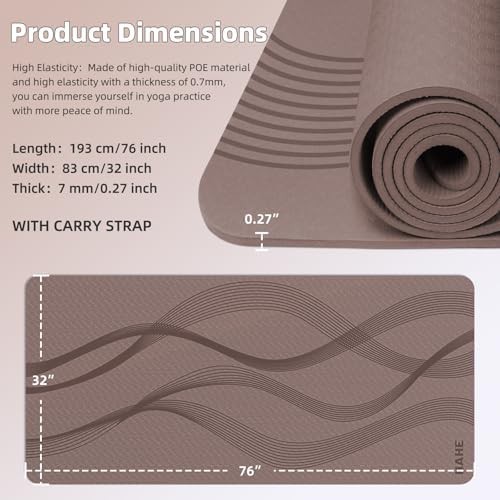
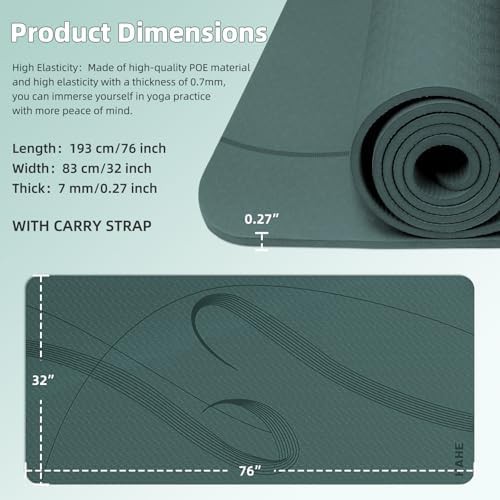
POE mats come in two main constructions: standard rolls and foldable panels. The foldable versions are built to crease along set lines, so they store flat in a bag or on a shelf, and the samples list them in 6mm, 8mm, 10mm, and 12mm thicknesses at 72 by 24 inches. Standard rolled mats appear in a wider footprint, with samples at 76 by 32 inches and 6 by 4 feet, which gives taller or broader users room to move without drifting off the edge.
Color options run from neutral to muted: black, brown, coffee, green, olive green, lavender purple, and dark brown all appear in the samples. A few foldable versions pair two tones, like green and orange, on a single mat. The 0.27-inch thickness on the wide mats is roughly 7mm, sitting between the 6mm and 8mm rolled options.