 9.4
9.4
Flybar
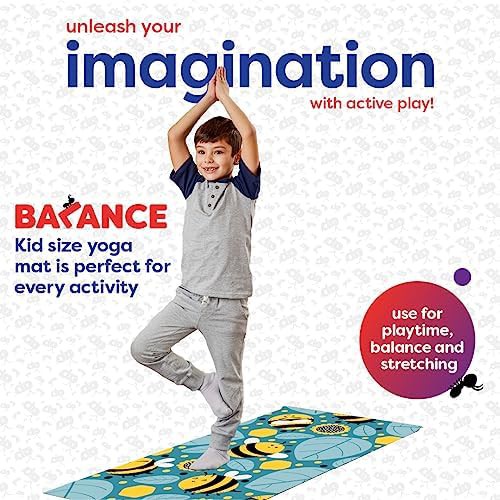
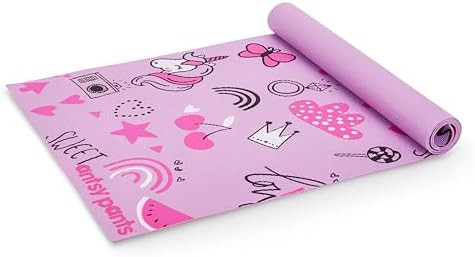
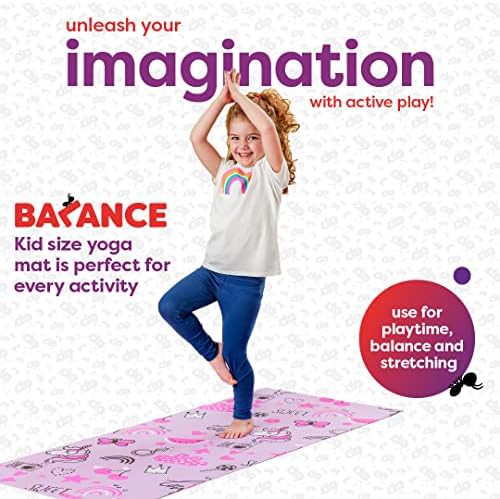
Antsy pants fitness kids yoga mat
$19.99
Non-slip Pilates mats Stretching mats Affordable For kids
Foldable and lightweight mats that fit easily into luggage 37 mats · 19 brands
9.4
Non-slip Pilates mats Stretching mats Affordable For kids
 9.4
9.4
Non-slip Pilates mats Stretching mats Affordable For kids
 9.3
9.3
 9.3
9.3
 9.3
9.3
 9.2
9.2
 9.1
9.1
 9.0
9.0
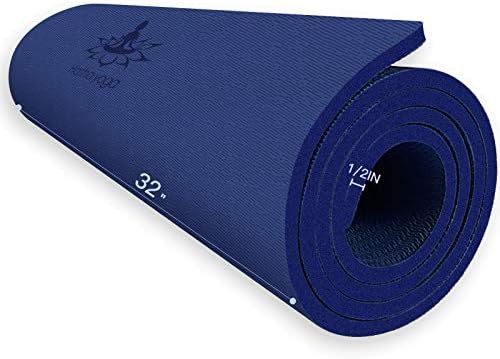
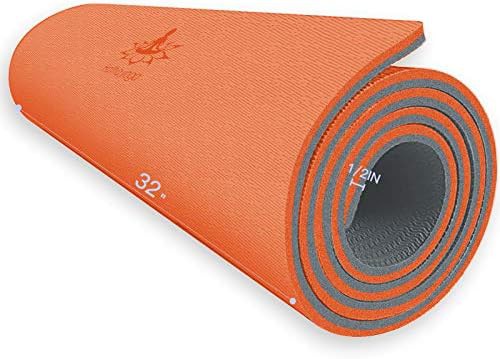
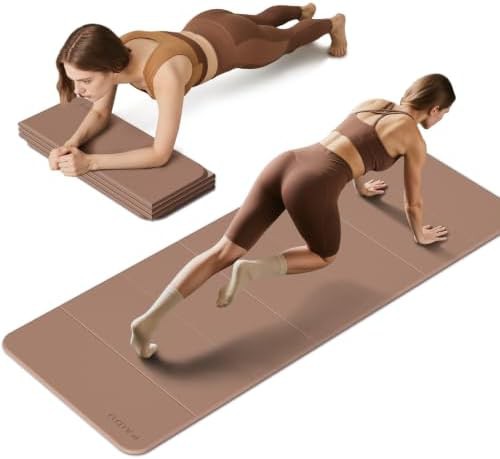
TPE Foldable 10mm extra thick mats Extra wide Extra long
 9.0
9.0
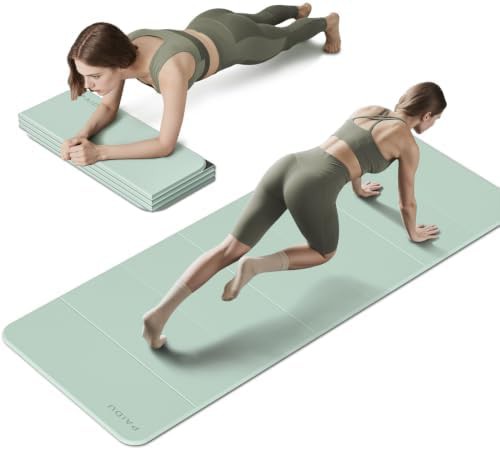
TPE Foldable 10mm extra thick mats Extra wide Extra long
 8.9
8.9
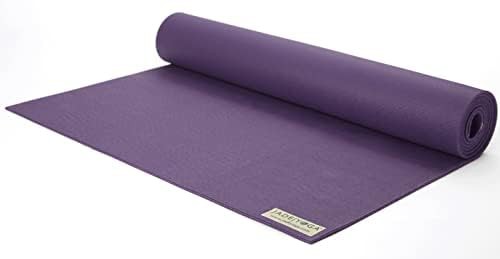
Men Women Non-slip Pilates mats Stretching mats Lightweight
 8.9
8.9
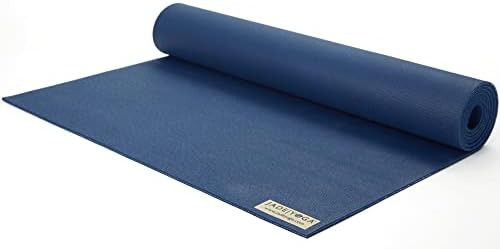
Blue Men Women Non-slip Pilates mats Stretching mats
 8.9
8.9
 8.9
8.9
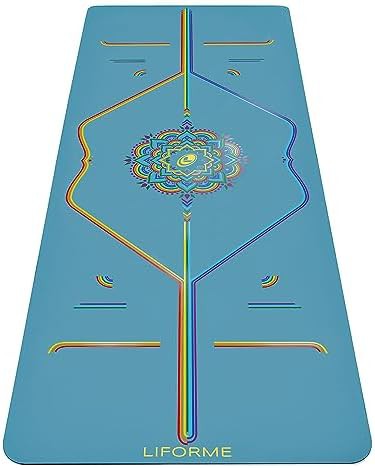
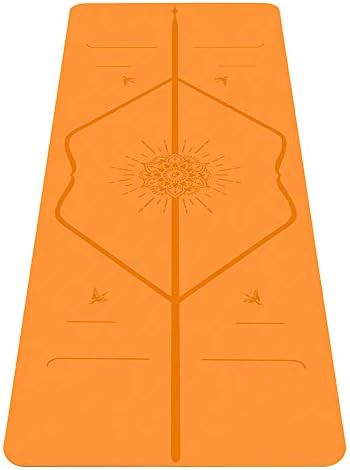
Non-slip Lightweight With alignment lines
 8.9
8.9
 8.7
8.7
 8.5
8.5
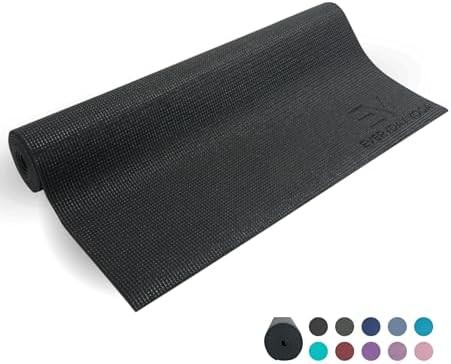
Black Non-slip Affordable Lightweight 3mm thin
 7.9
7.9
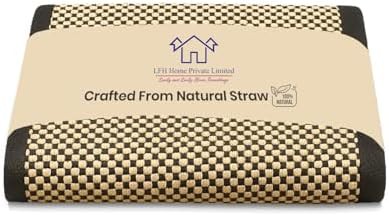
Black Men Women Eco-friendly Reversible
 7.8
7.8
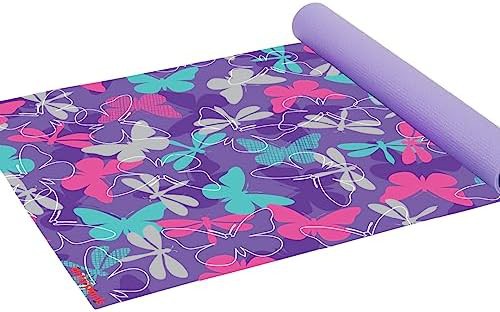
Non-slip Pilates mats Stretching mats Affordable For kids
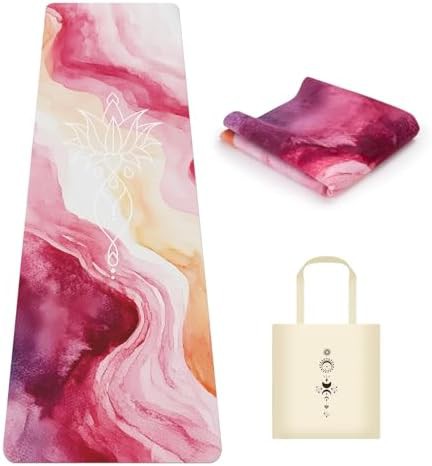
Non-slip Pilates mats Affordable Lightweight Foldable Home gym mats
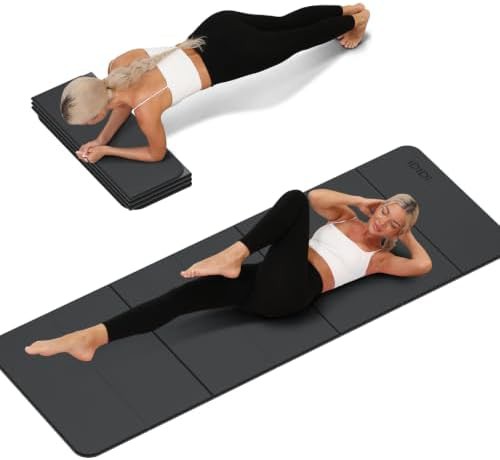
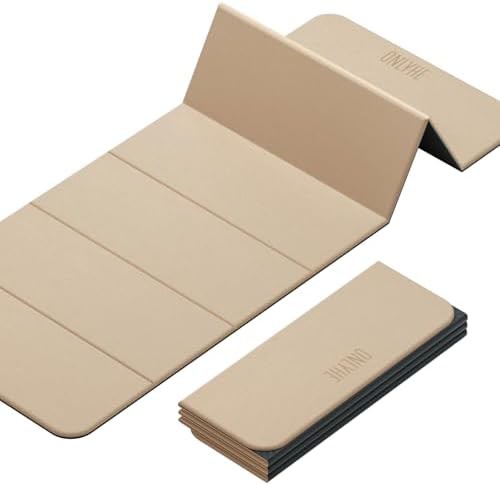
Black Non-slip Pilates mats TPE Lightweight Foldable
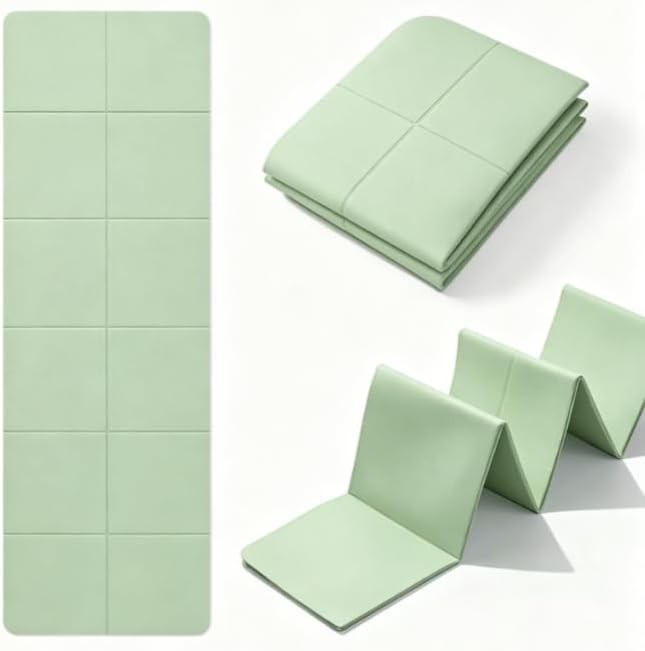
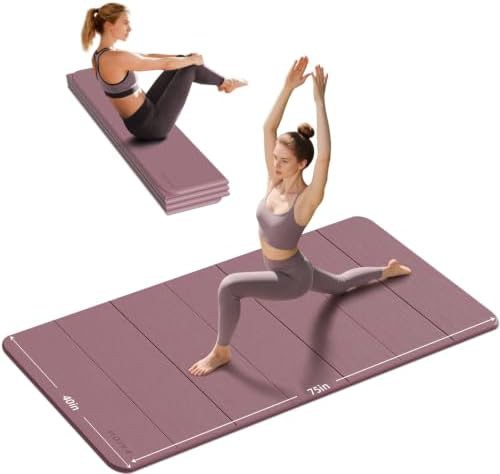
Non-slip Pilates mats TPE Foldable 10mm extra thick mats Extra wide
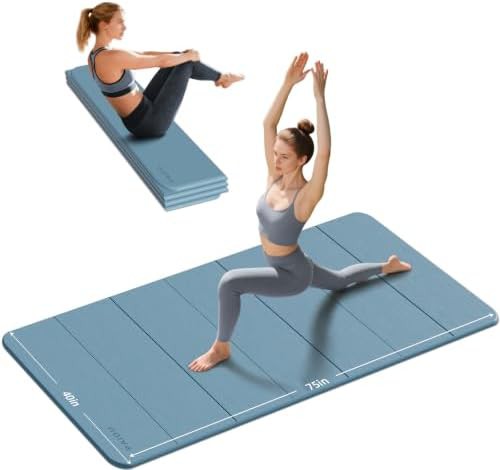
Non-slip Pilates mats TPE Foldable 10mm extra thick mats Extra wide
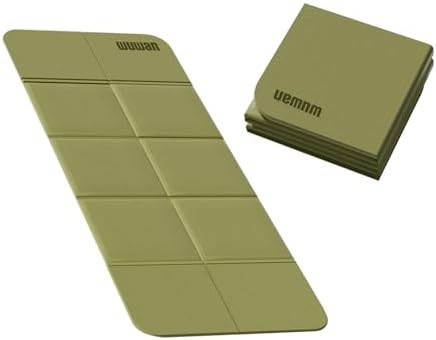
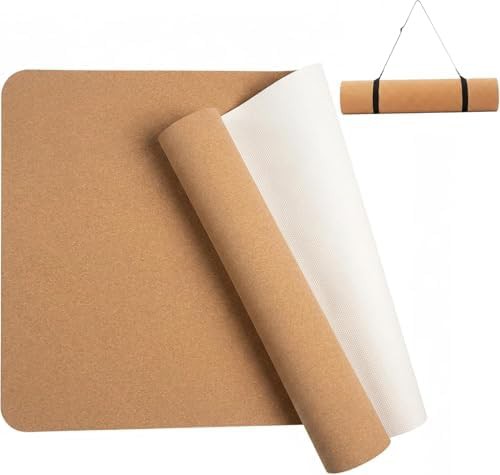
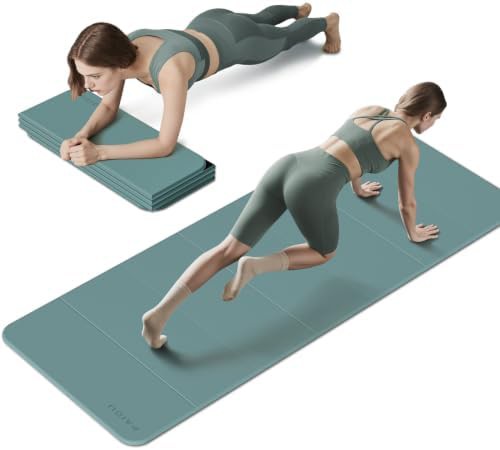
TPE Foldable 10mm extra thick mats Extra wide Extra long
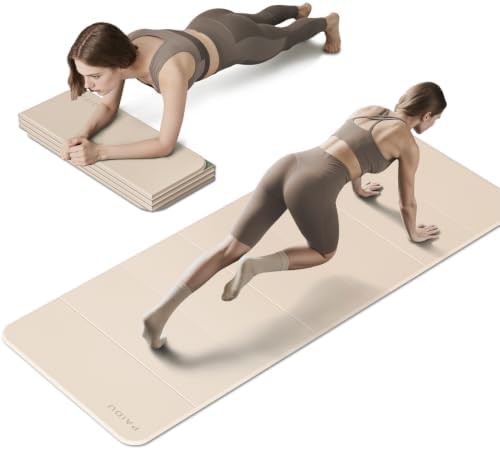
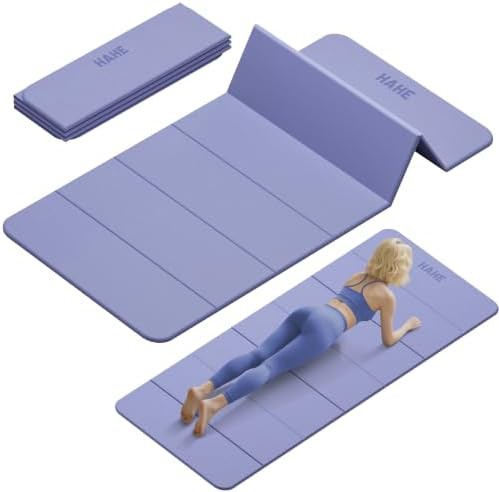
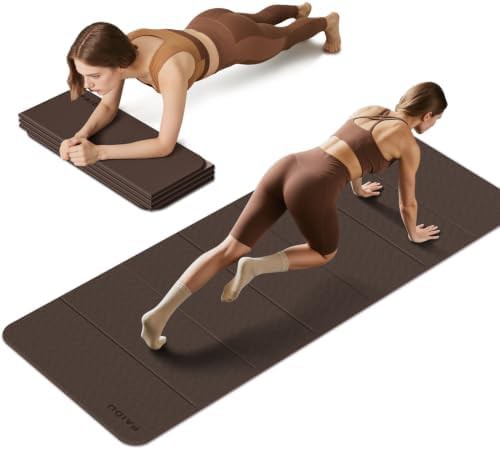
TPE Foldable 10mm extra thick mats Extra wide Extra long
Gray Non-slip Pilates mats Affordable 6mm Foldable
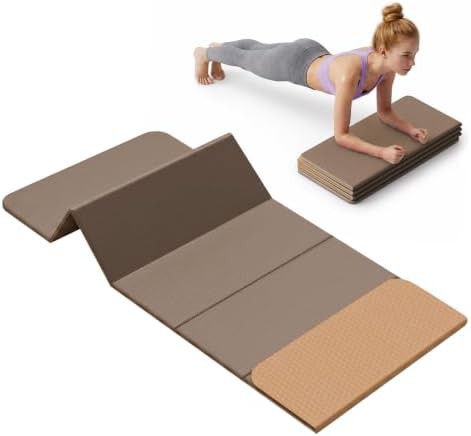
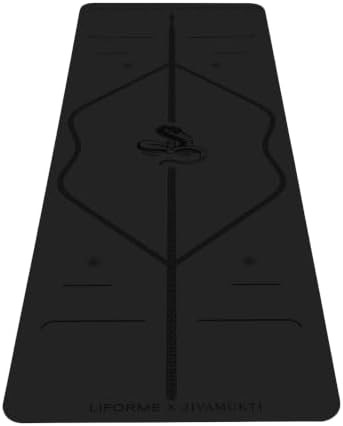
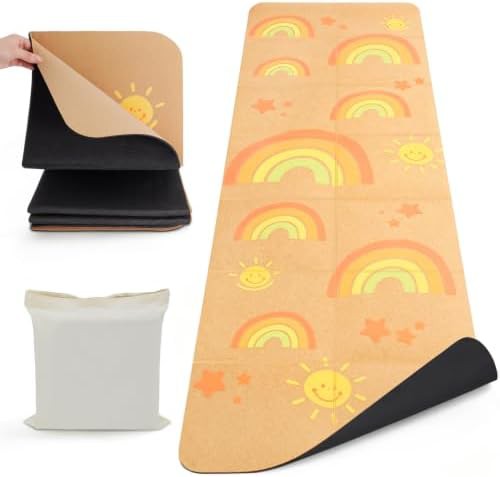
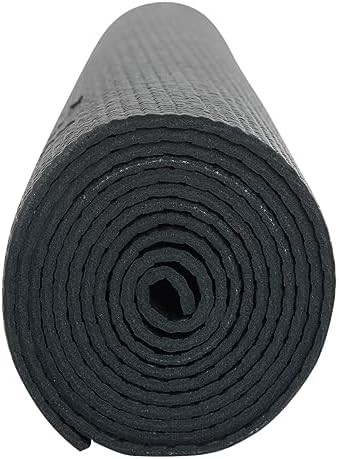
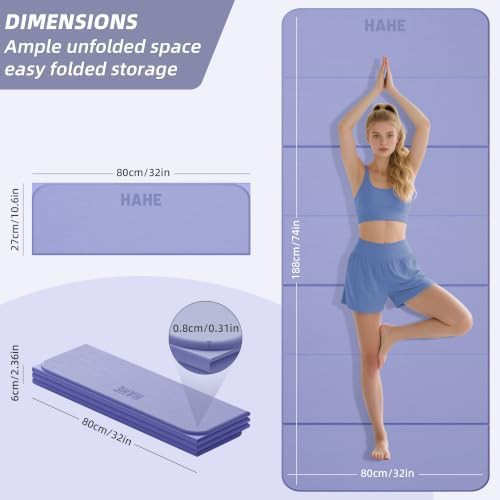
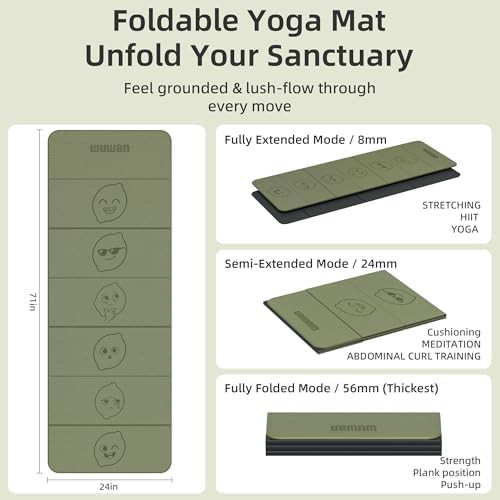
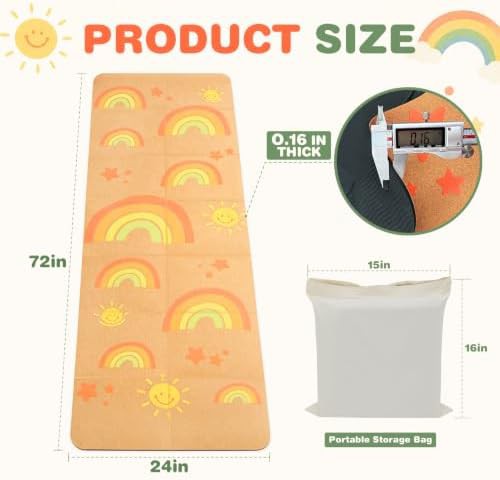
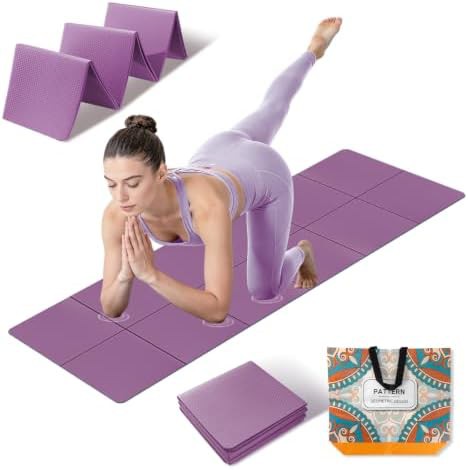
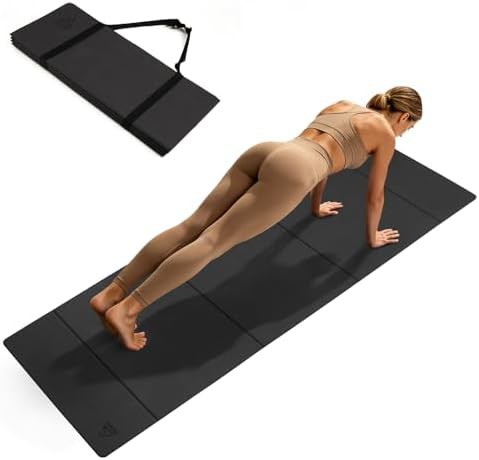
The samples show 3mm as a common thickness, with some mats listed at 3mm and others at 6mm when they are cork over a TPE base. Thinner mats fold more easily, while the 6mm version adds cushioning at the cost of a bulkier pack.
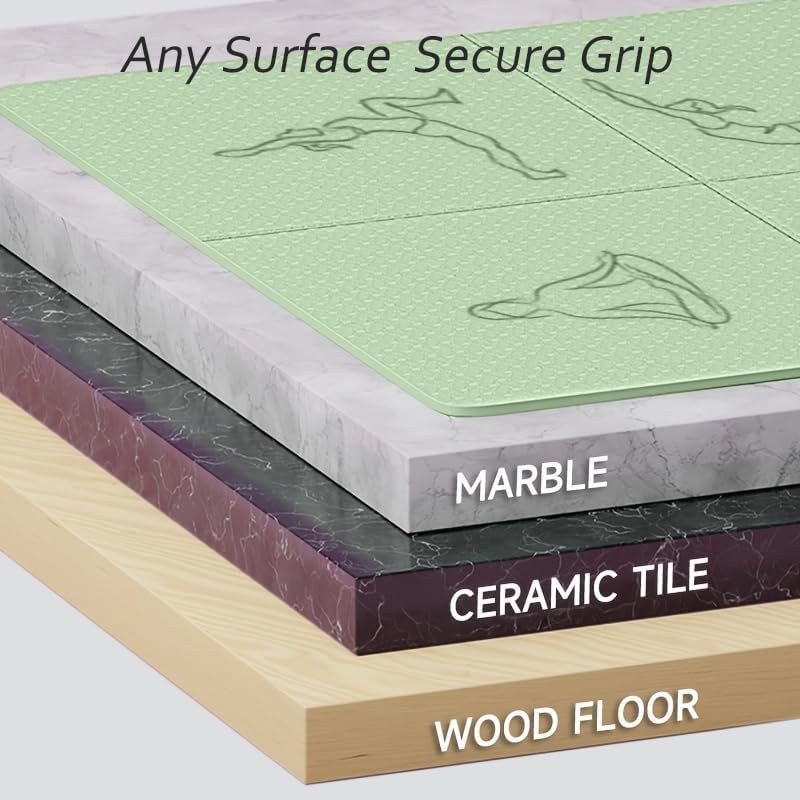
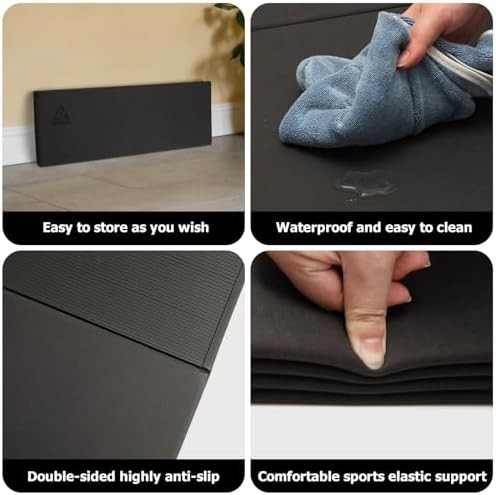
The samples emphasize non-slip grip, including natural rubber and TPE surfaces, which handle sweat better than a smooth PVC mat. A cork top over a TPE base is another option that stays grippy when damp, though none of these are described as towels or absorbent covers.
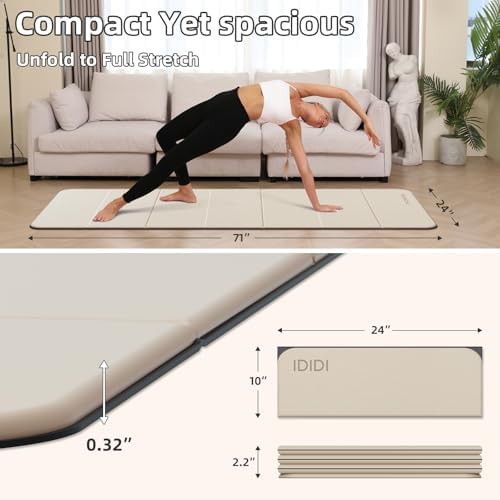
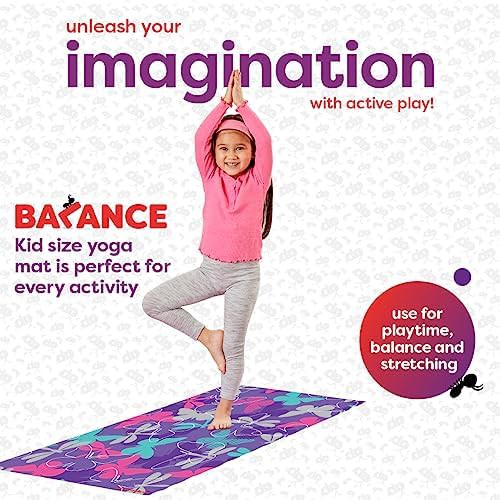
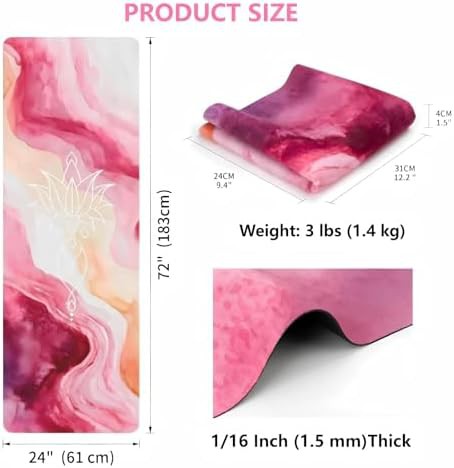
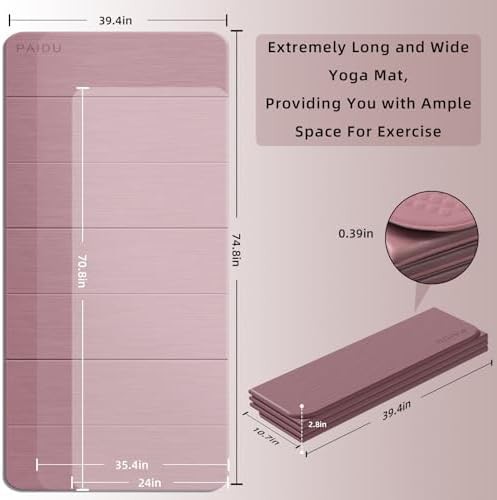
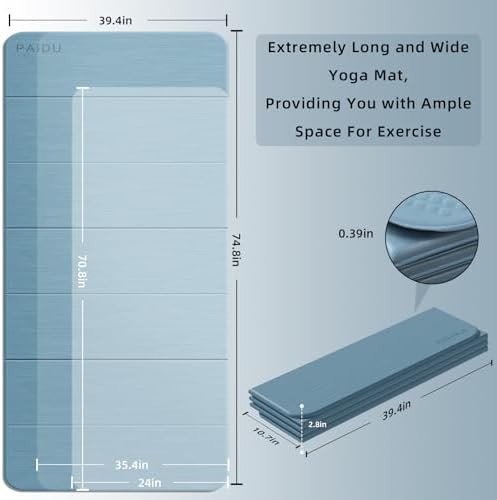
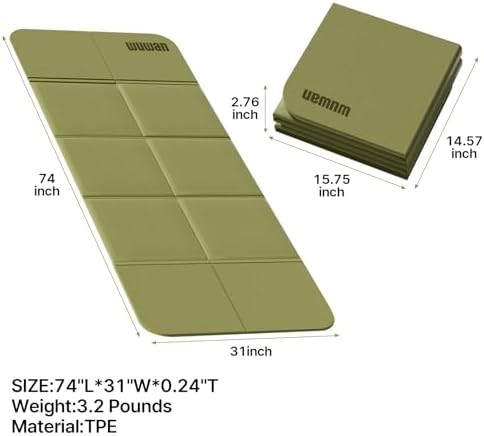
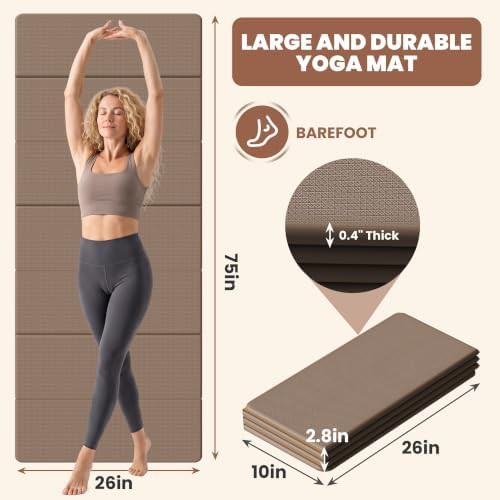
The samples list 68 x 24 inches, 72 x 24 inches, and 74 x 24 inches, plus a 60 x 24 inch kids’ size. The shorter 68-inch mat packs smaller, while the 74-inch version gives taller users more room without adding much weight.
It can, but the thin profile that makes it packable also means less padding for floor work at home. If you mostly practice in one room, a thicker mat will be more comfortable; the travel mat is for when you need to carry it.
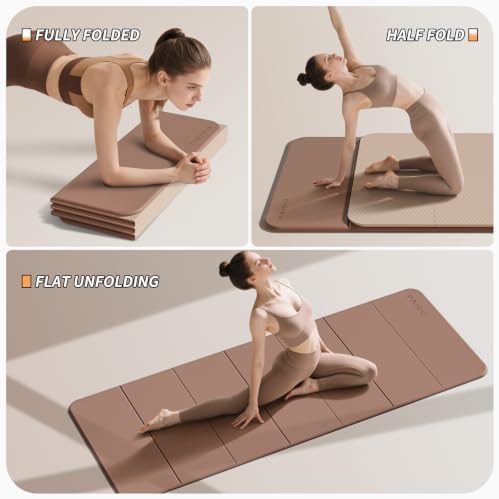
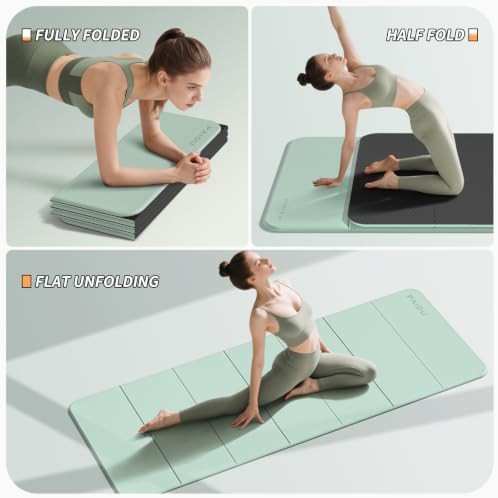
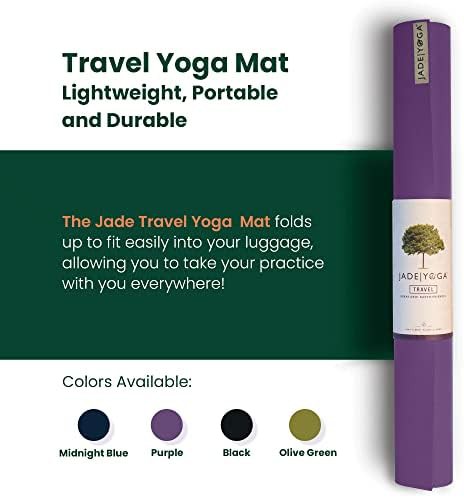
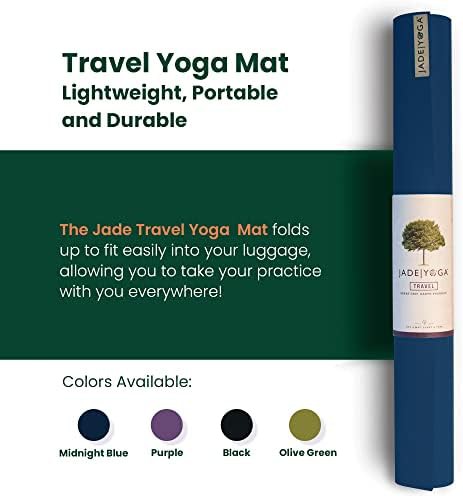
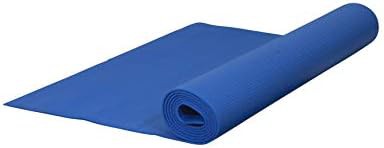
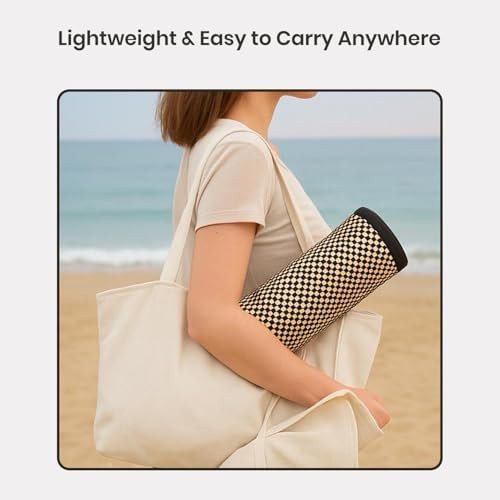
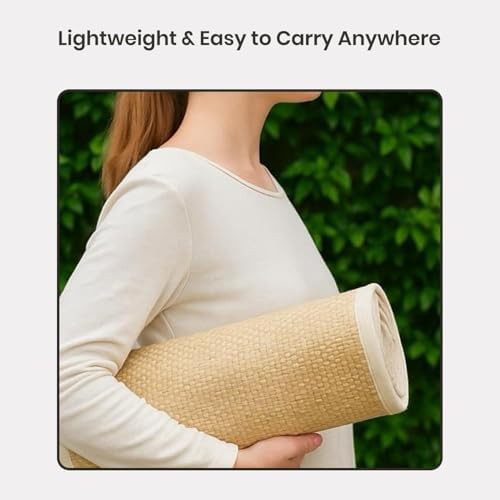
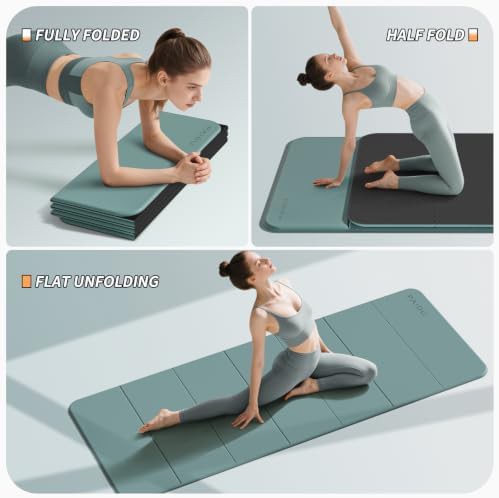
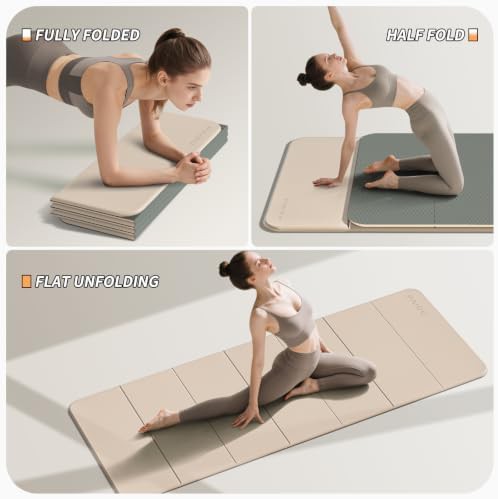
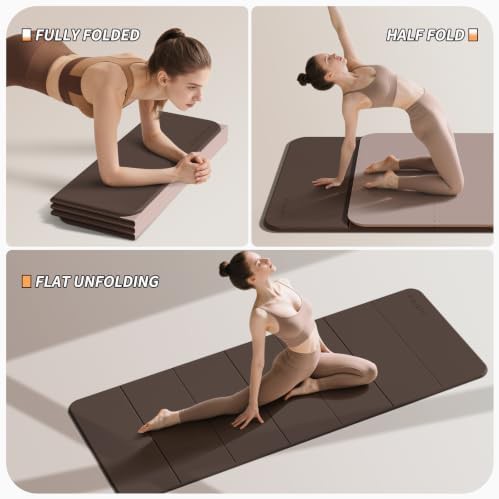
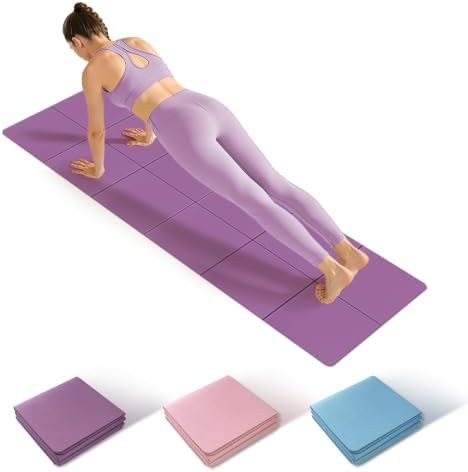
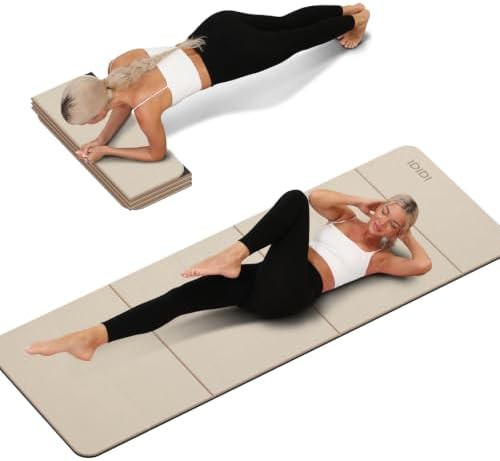
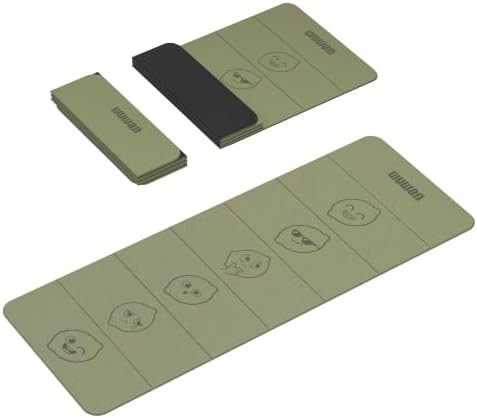
A travel mat has to disappear into a bag without giving up the grip and cushioning you need for a session. The samples lean toward foldable or packable builds, often in natural rubber or TPE, with non-slip surfaces that still work when you unroll on a hotel floor or a patch of grass. Colors run from black and gray to blue, green, brown, and purple, so the mat can read as gear rather than a permanent studio fixture.
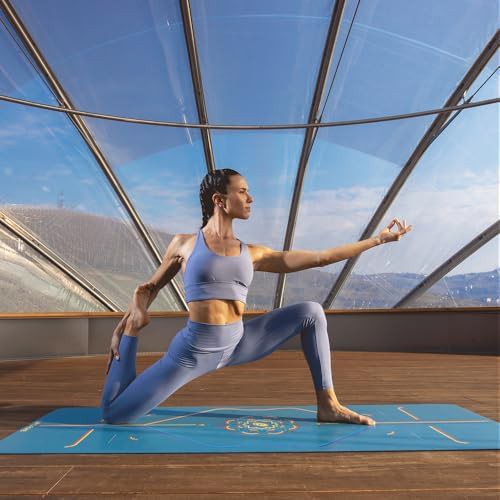
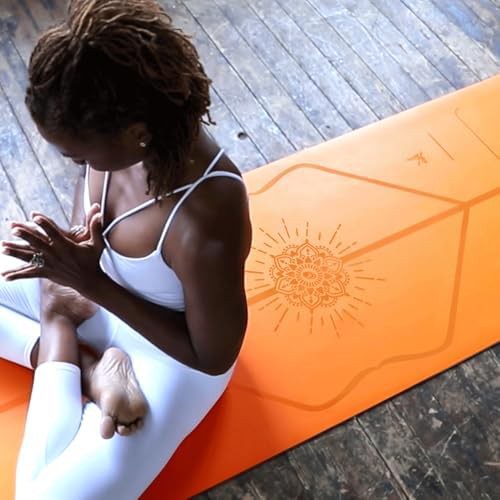
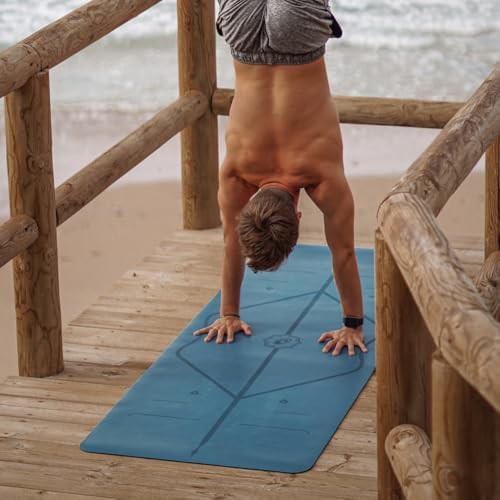
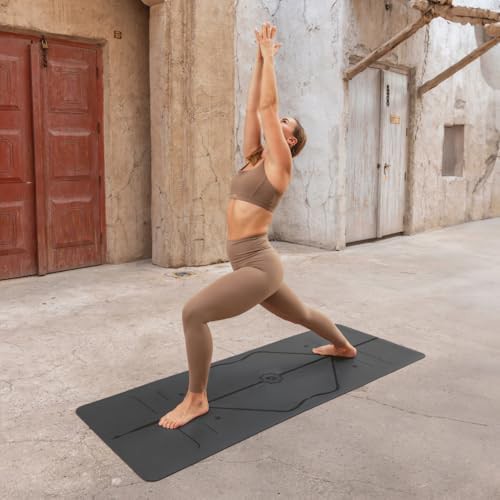
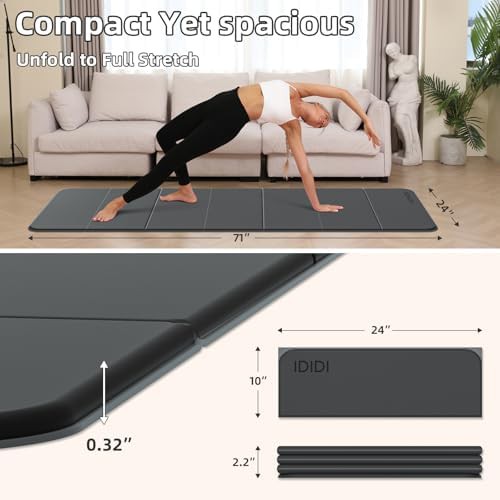
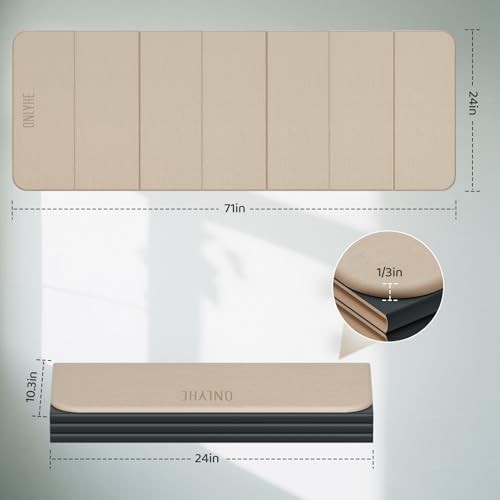
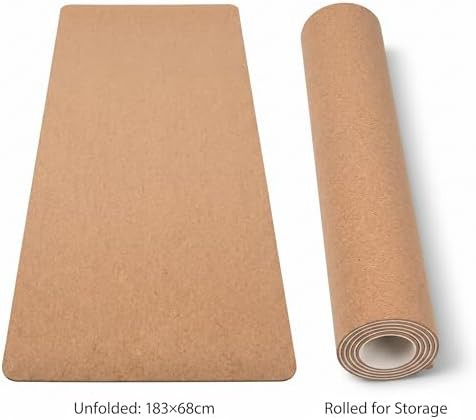
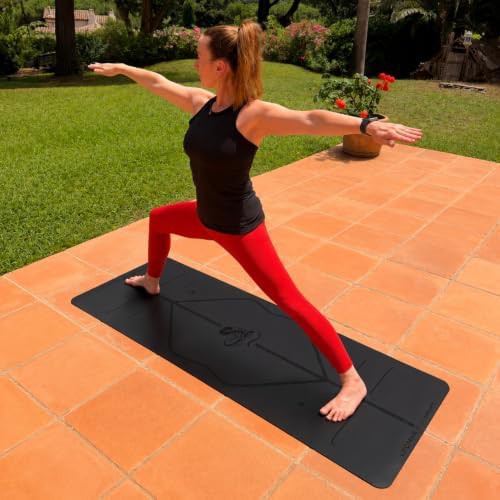
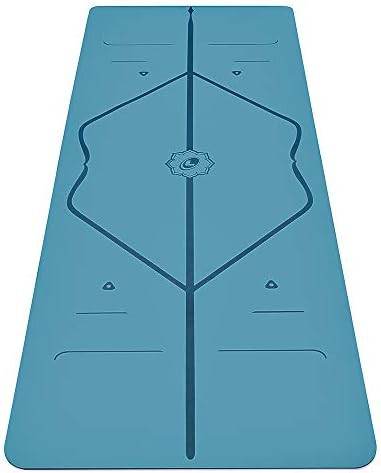
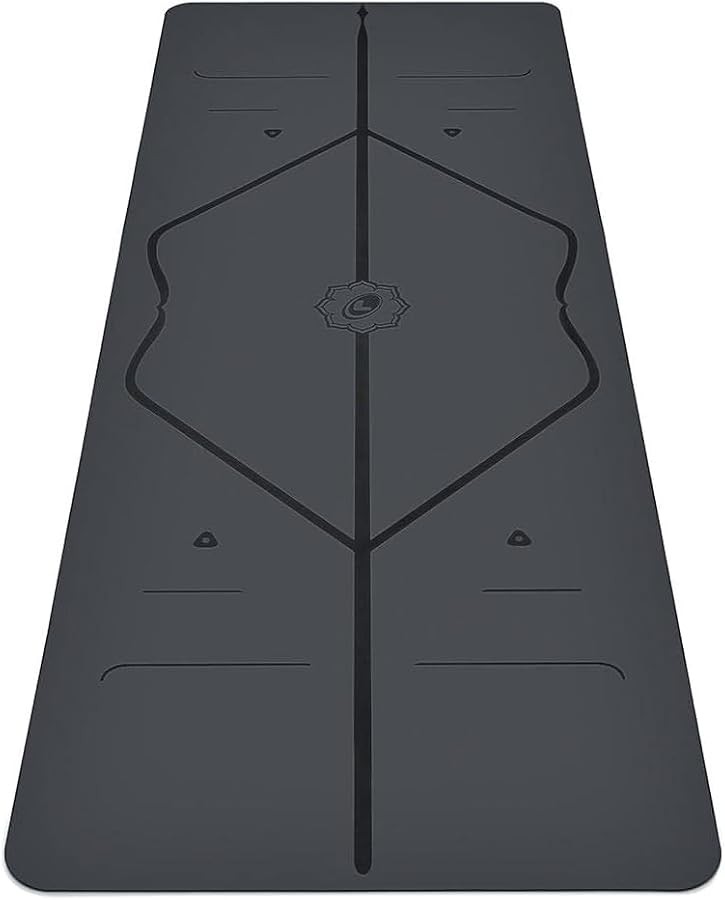
The travel form is usually a thin mat that folds or rolls tight enough for a carry-on or a tote. Some samples call out a patented alignment design, which is a printed or embossed guide on the mat surface, and others emphasize a natural rubber base for grip. A cork surface over a TPE base also appears, which trades the rubber smell for a drier feel under hands.
If your main practice is at home on a hardwood floor and you want deep cushioning for knees and wrists, a thin travel mat will feel like a rug over concrete. The same goes for a daily studio practice where the mat lives in a locker or a car trunk; a thicker, wider mat gives more support and does not need to fold. Travel mats are for portability first, and every other quality is negotiated around that.