 9.4
9.4
CopyCat Yoga
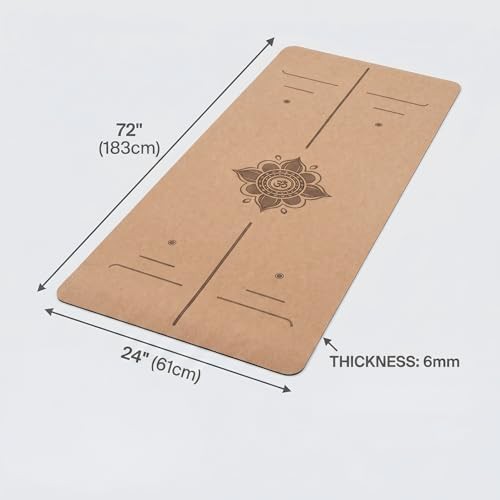
Instructional alignment extra long yoga mat
$65
Eco-friendly Extra long Printed For kids For beginners
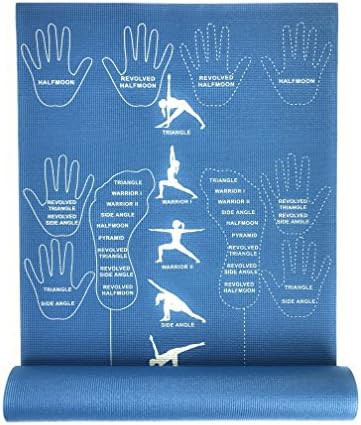
Visual guides to help maintain proper hand and foot placement 44 mats · 14 brands
9.4
Eco-friendly Extra long Printed For kids For beginners
 9.4
9.4
 9.4
9.4
Lightweight Large 6'x4' exercise mats Professional
 9.4
9.4
 9.4
9.4
 9.4
9.4
 9.4
9.4
Non-slip Eco-friendly Large 6'x4' exercise mats Natural rubber Cork
 9.3
9.3
 9.3
9.3
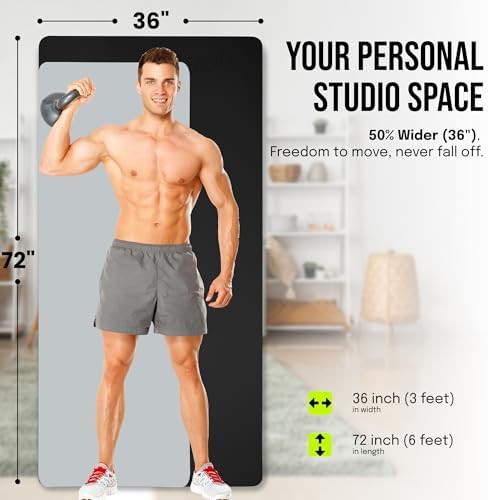
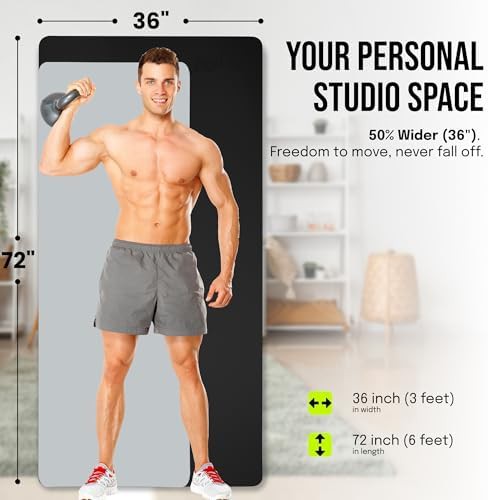
Men Women Non-slip Pilates mats 6mm Extra wide
 9.3
9.3
 9.2
9.2
 9.2
9.2
 9.1
9.1
 9.1
9.1
 9.0
9.0
 9.0
9.0
 8.9
8.9
 8.9
8.9
 8.9
8.9
 8.9
8.9
 8.9
8.9
 8.7
8.7
 8.7
8.7
Non-slip Pilates mats Stretching mats Affordable 6mm
 7.2
7.2
Men Women Non-slip Pilates mats TPE Affordable
Men Women Non-slip Pilates mats Stretching mats Extra wide
Men Women Non-slip Pilates mats 6mm Extra wide
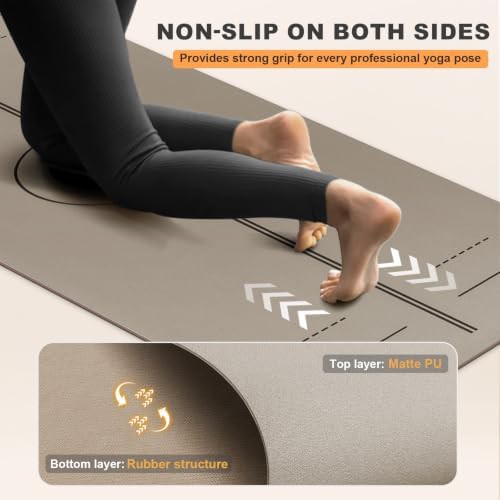
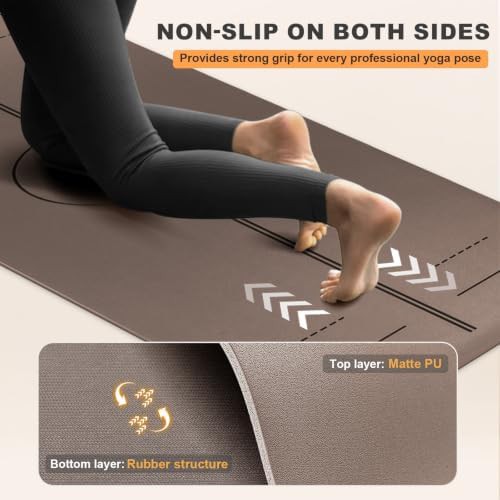
Non-slip Pilates mats Eco-friendly Natural rubber Anti-tear
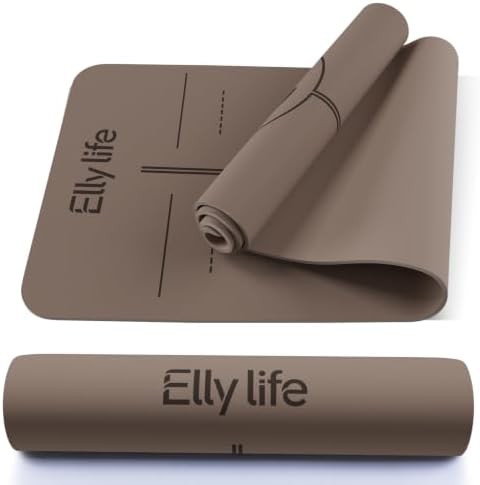
Non-slip Pilates mats Eco-friendly Natural rubber Anti-tear
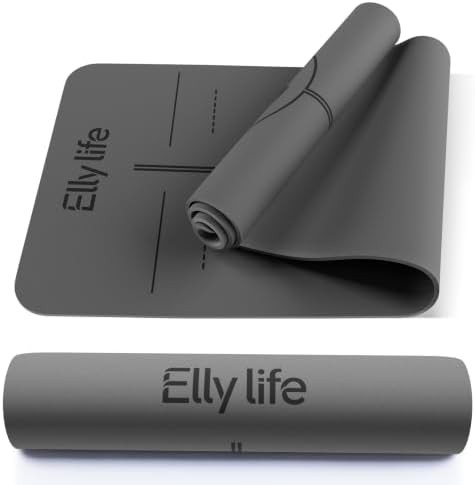
Non-slip Pilates mats Eco-friendly Natural rubber Anti-tear
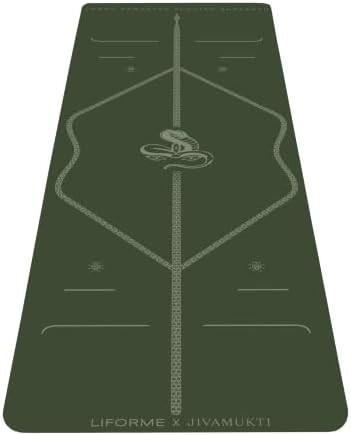
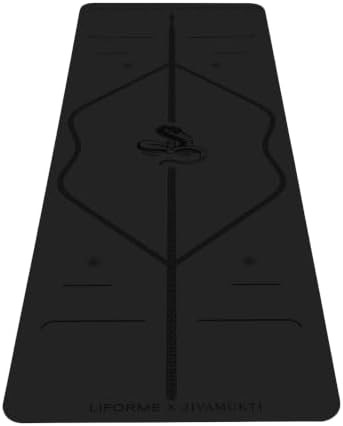
The samples describe the alignment design as patented and integrated into the mat, not applied as a separate sticker. Wear depends on use and cleaning, but the design is part of the surface rather than a decal. No sample specifies a lifespan for the markings.
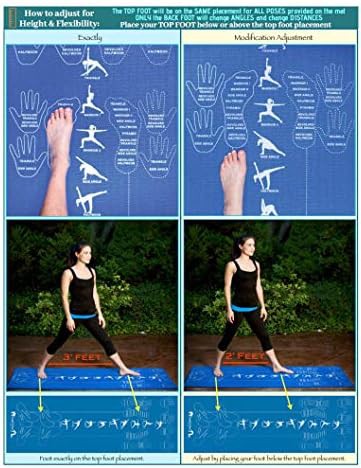
They give a visual check for hand and foot placement in standing poses, which can help beginners build awareness of symmetry. They do not replace instruction on joint alignment or posture. The lines are a reference point, not a correction tool.
The lines are oriented to yoga poses, so they may not map to Pilates equipment or mat work. The mat itself can be used for floor exercises, but the alignment markings are specific to yoga hand and foot placement. If you split time between yoga and Pilates, the lines serve the yoga portion.
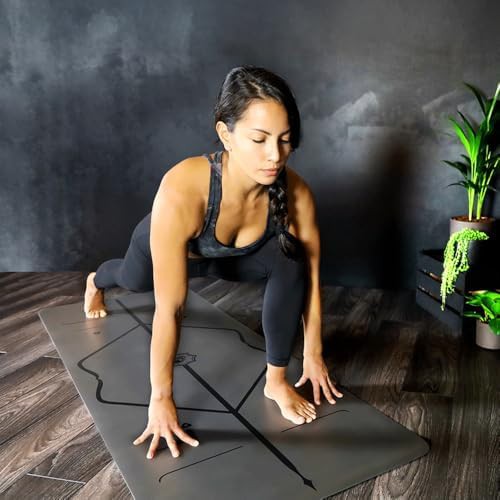
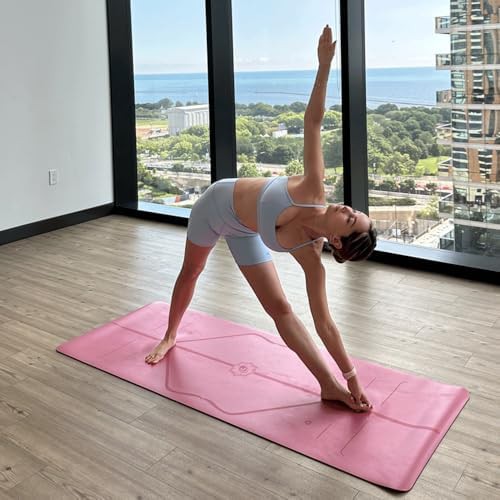
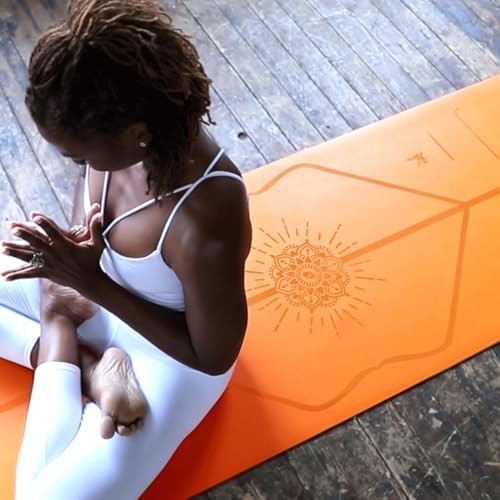
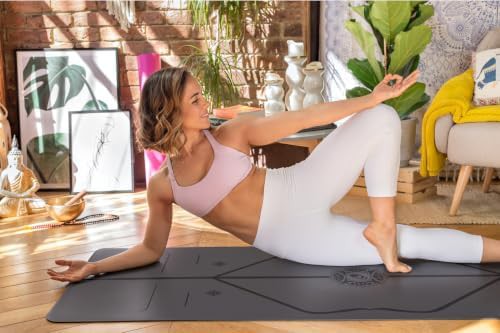
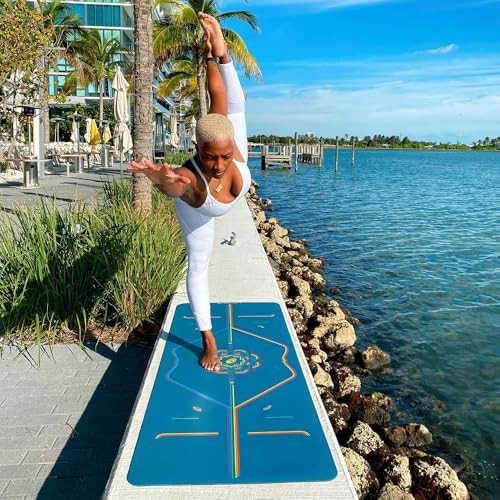
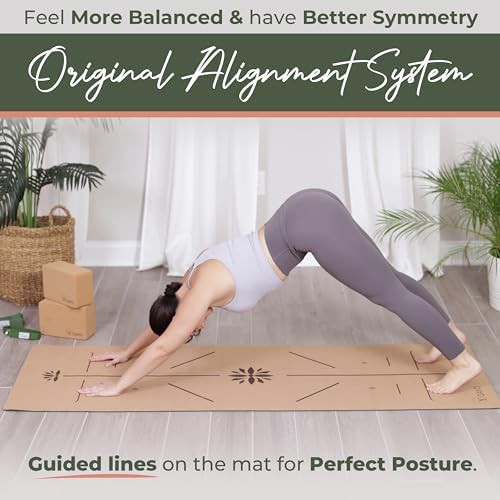
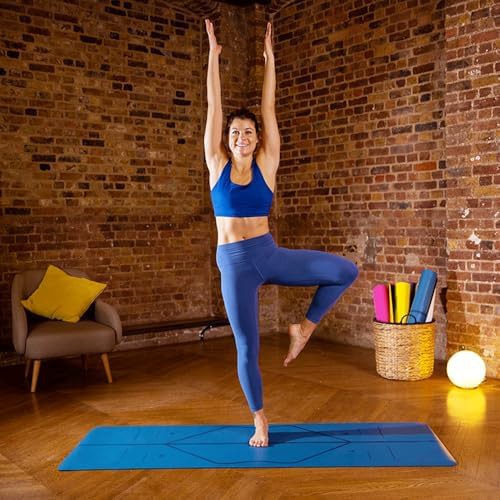
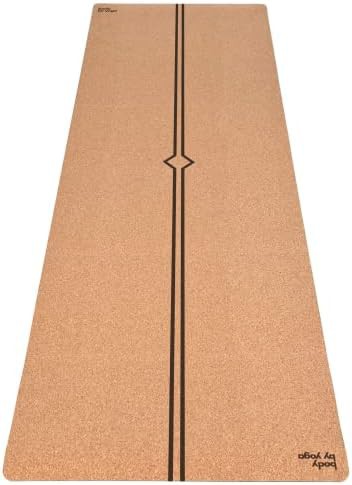
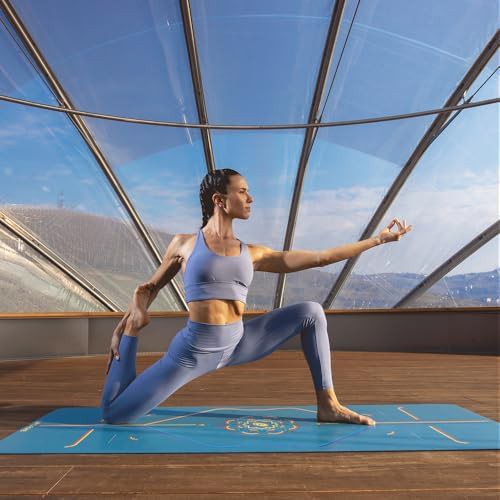
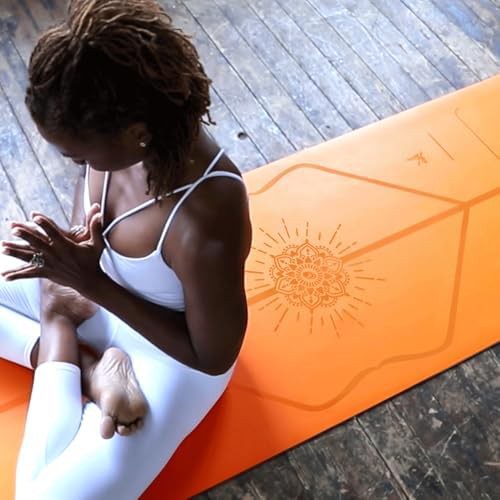
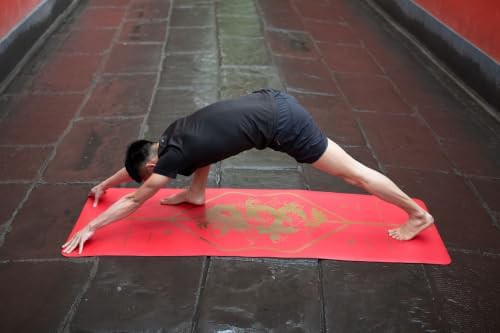
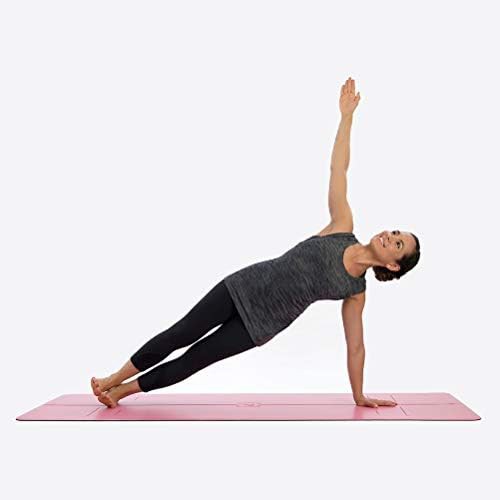
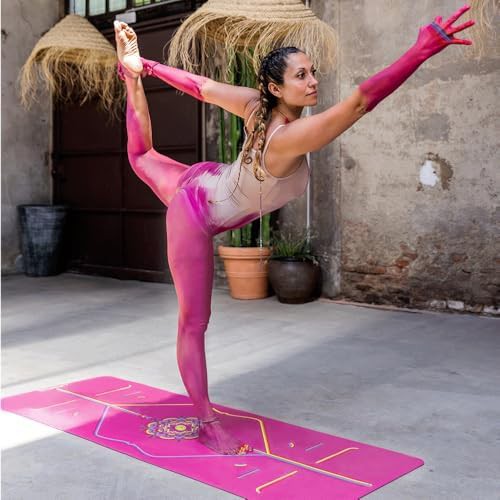
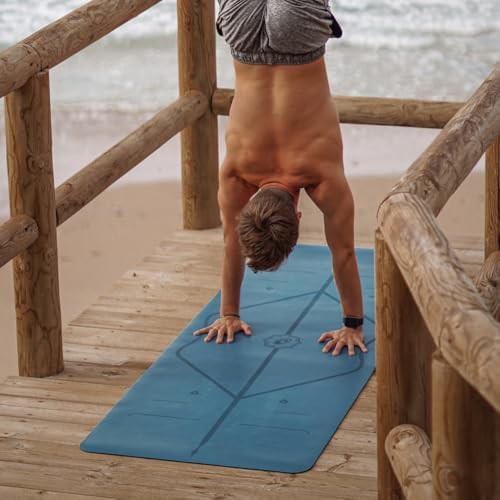
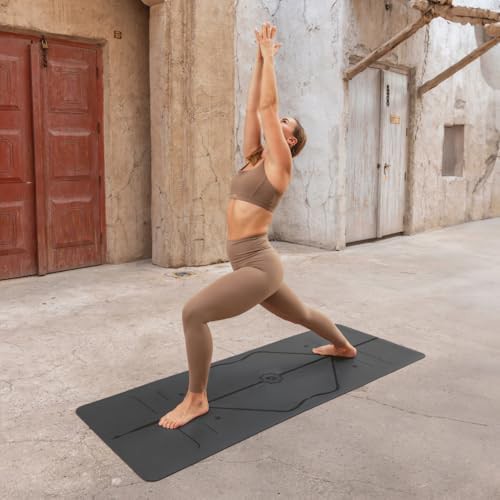
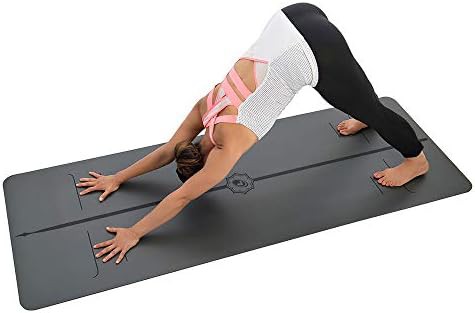
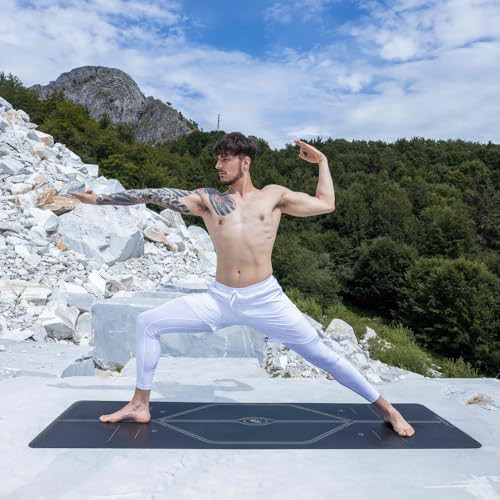
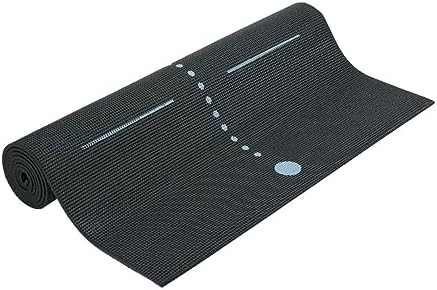
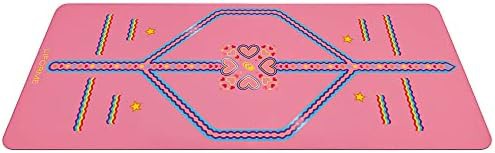
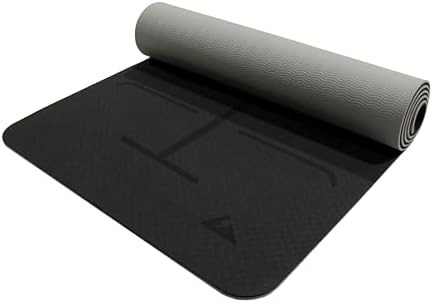
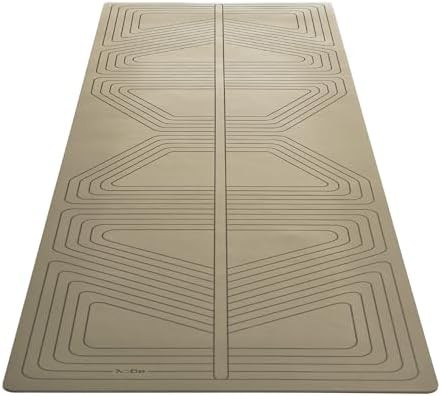
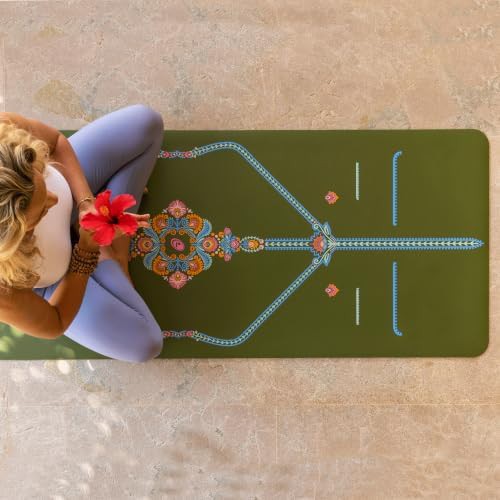
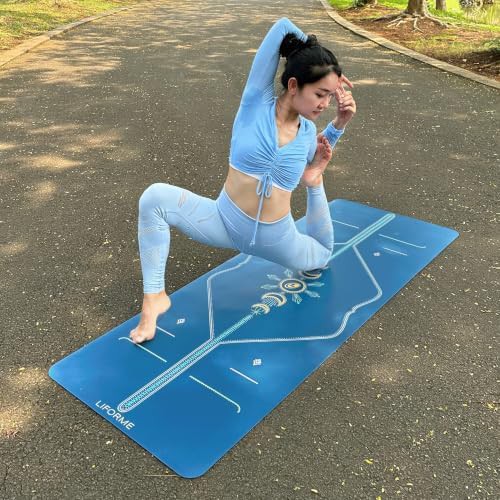
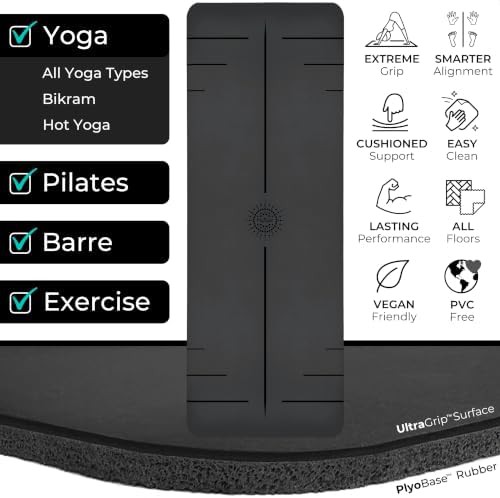
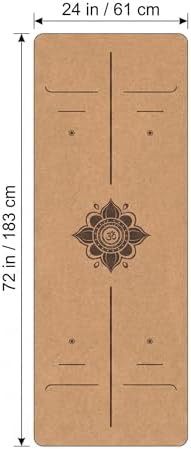
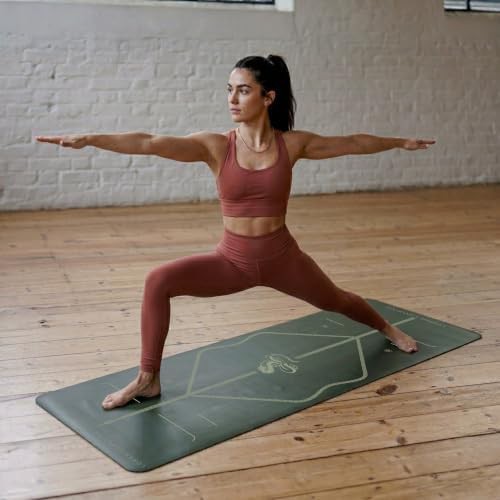
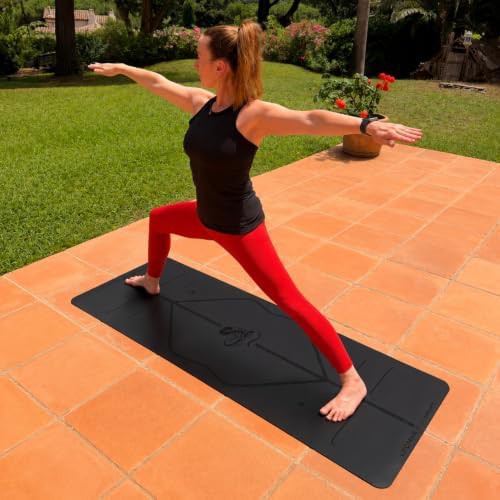
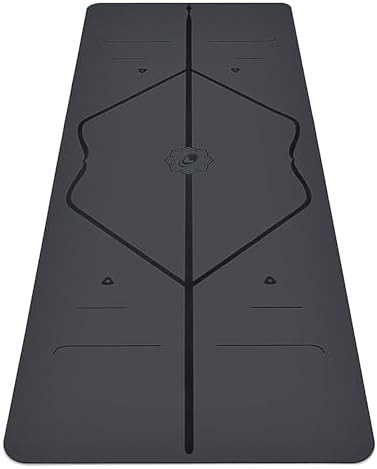
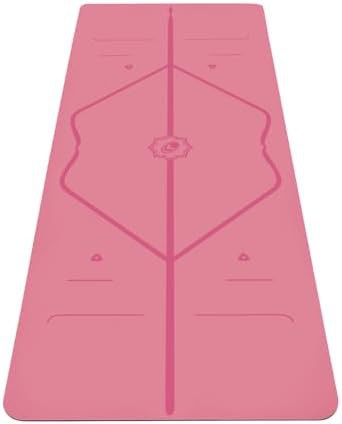
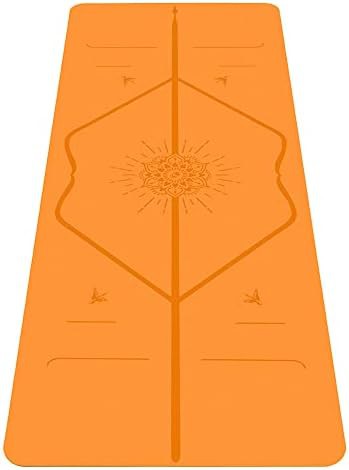
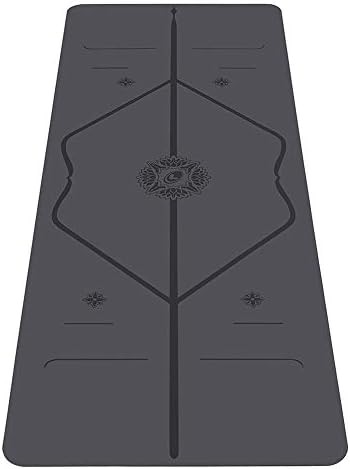
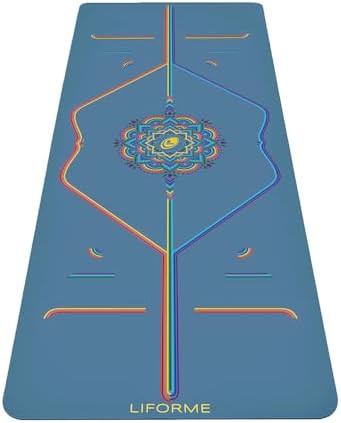
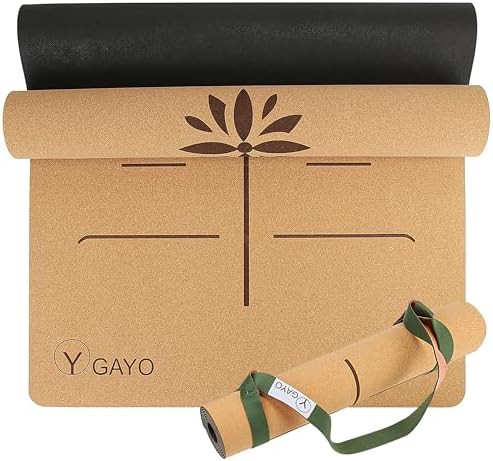
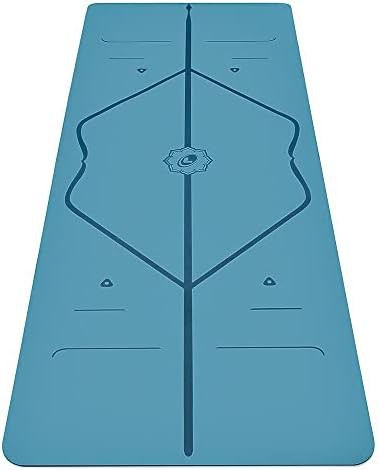
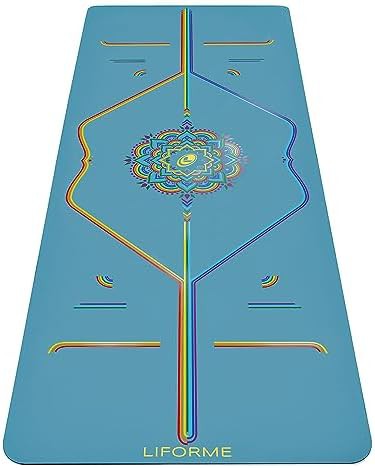
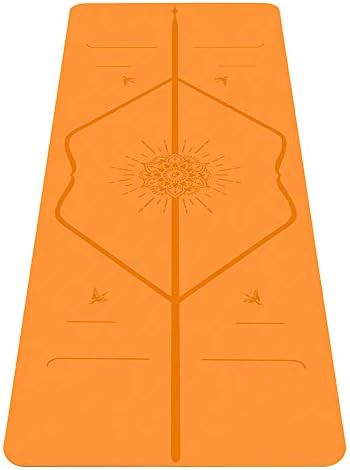
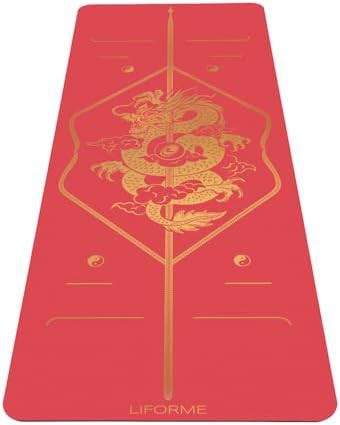
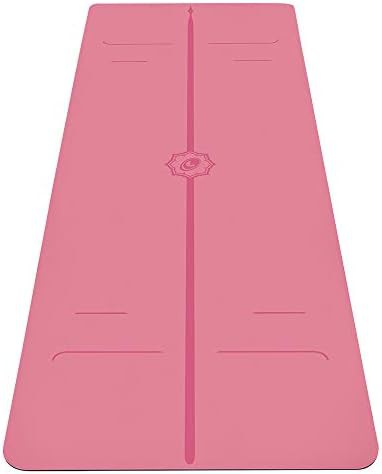
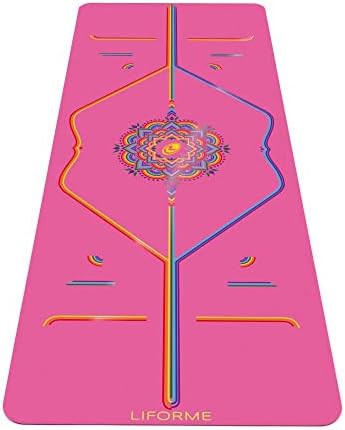
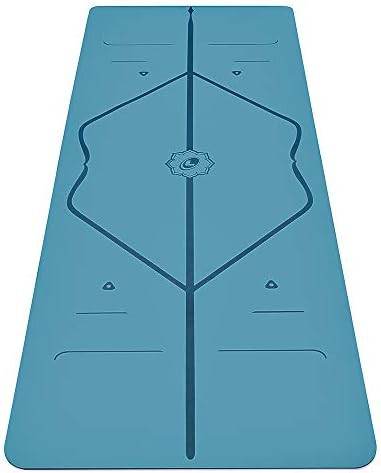
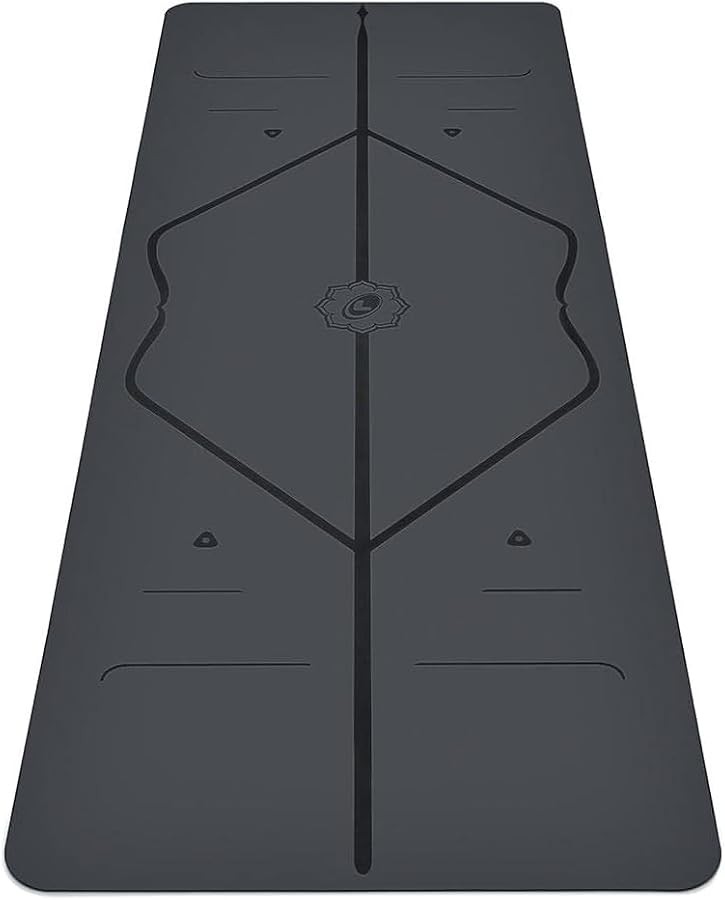
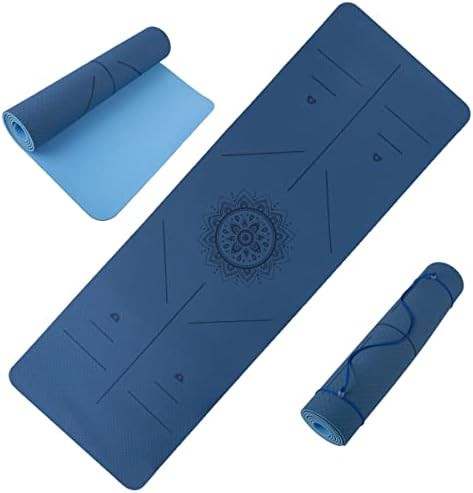
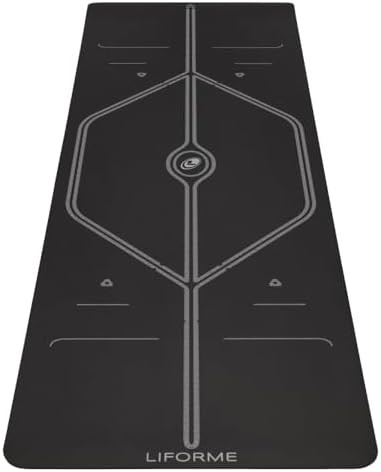
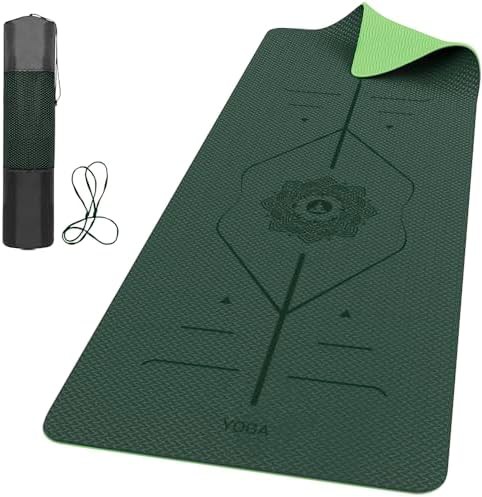
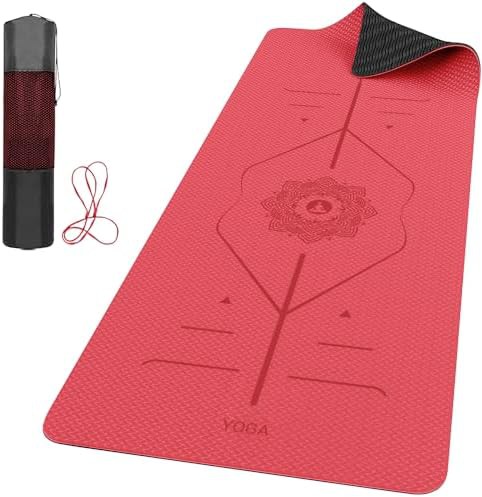
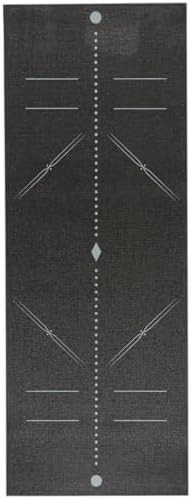
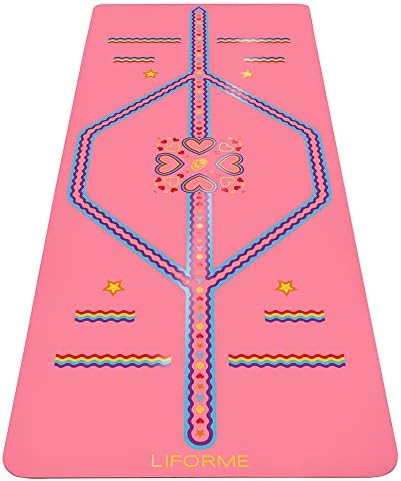
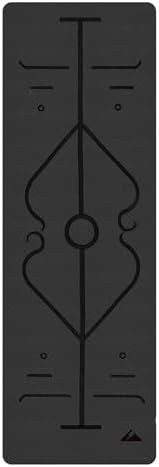
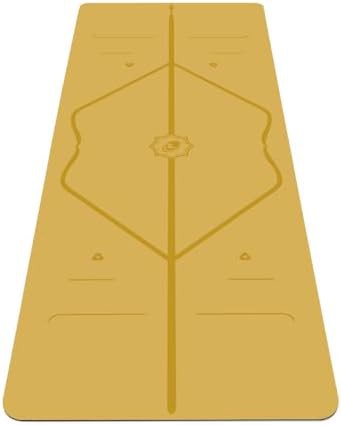
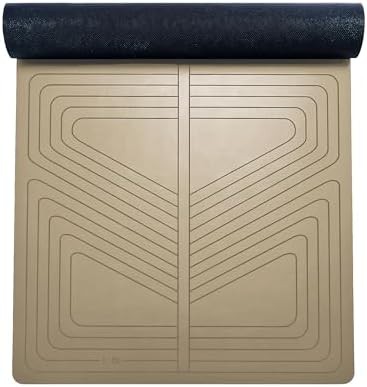
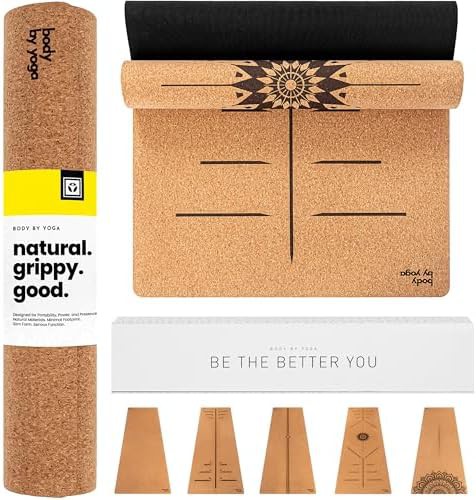
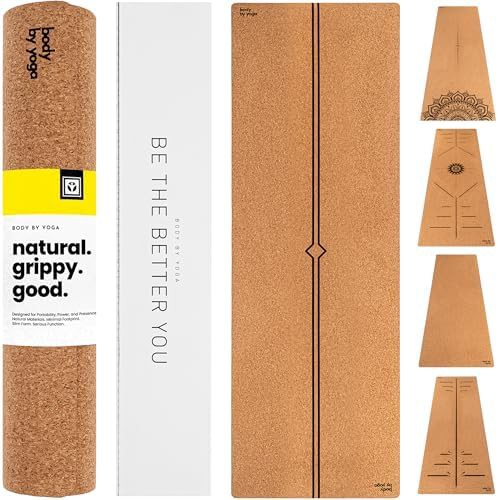
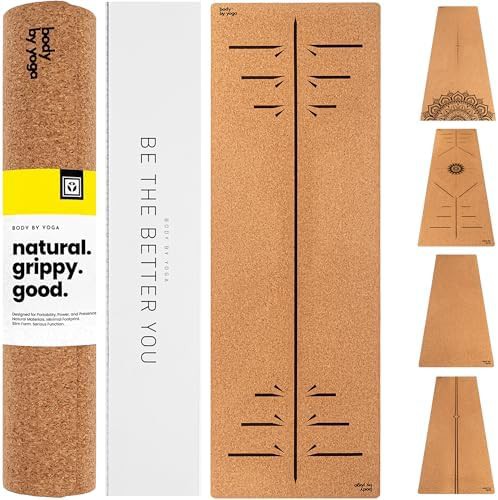
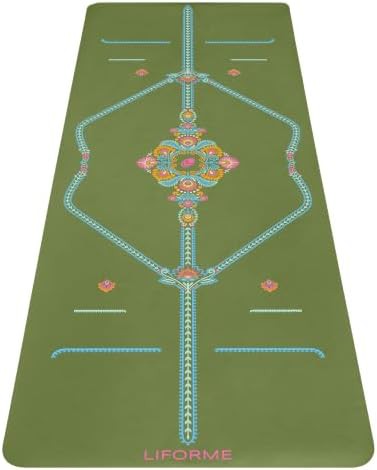
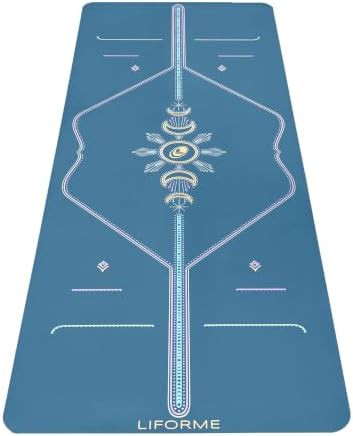
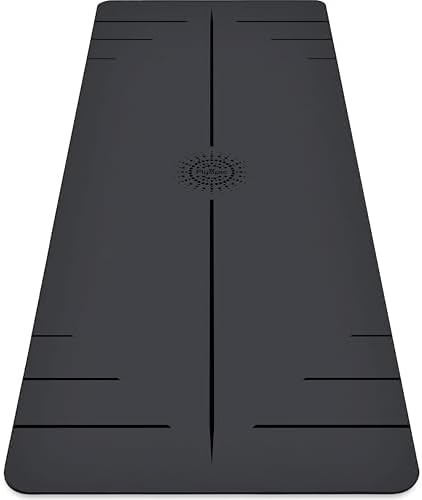
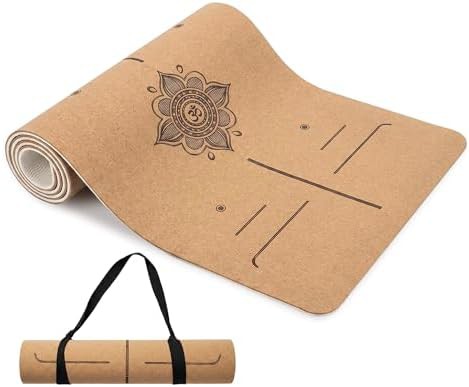
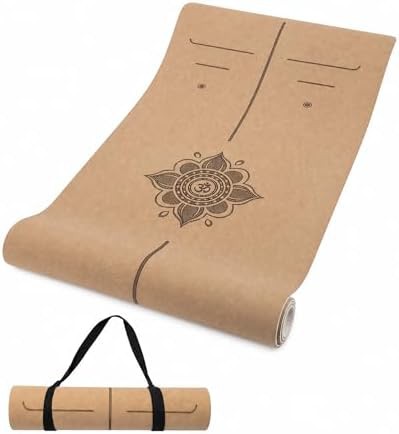
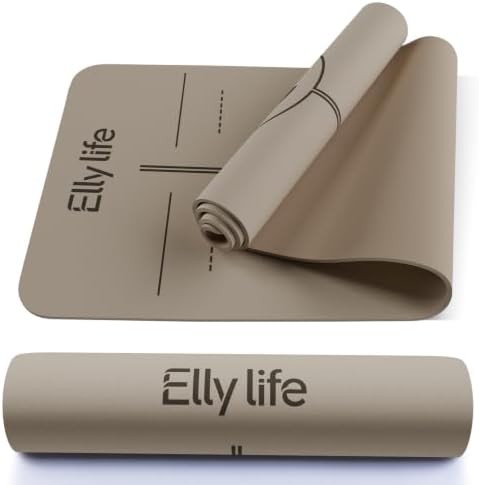
Alignment lines are printed or embossed guides that run lengthwise and across the mat, marking hand and foot positions for common poses. On these mats the design is described as patented, and the markings are meant to help you check that your hands and feet are square without breaking your gaze to a mirror. They are a visual reference, not a physical restraint, so they work best for standing poses where you can glance down.
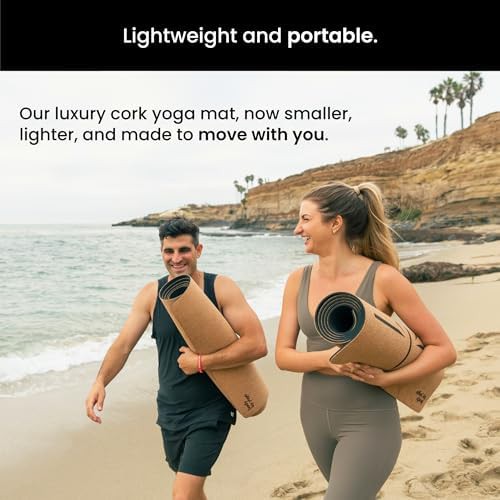
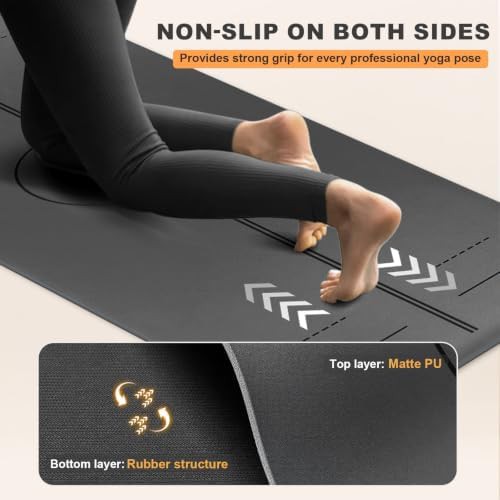
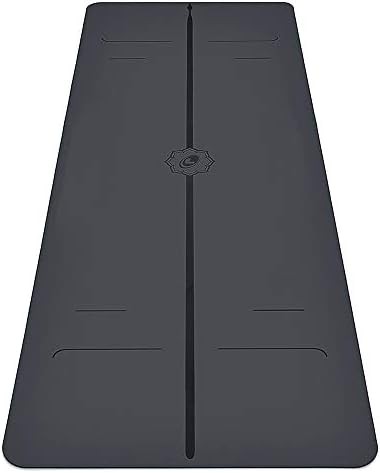
The alignment design appears across a range of mat types in this slice, including classic, printed, travel, and Jivamukti styles. Grip is described as ultimate or advanced non-slip, and the alignment markings are part of the top surface rather than a separate layer. Travel versions carry the same alignment design in a thinner, packable form.
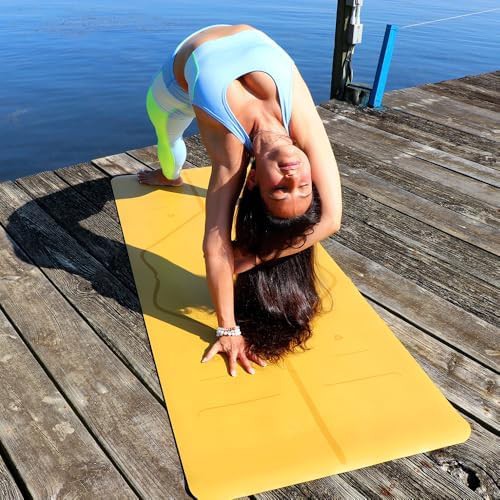
The lines are most useful for poses where hand and foot placement is symmetrical, such as downward dog or warrior. They are less relevant for seated or reclined poses where the body is not oriented to the mat’s length. If you practice mostly restorative or yin styles, the markings may go unused.
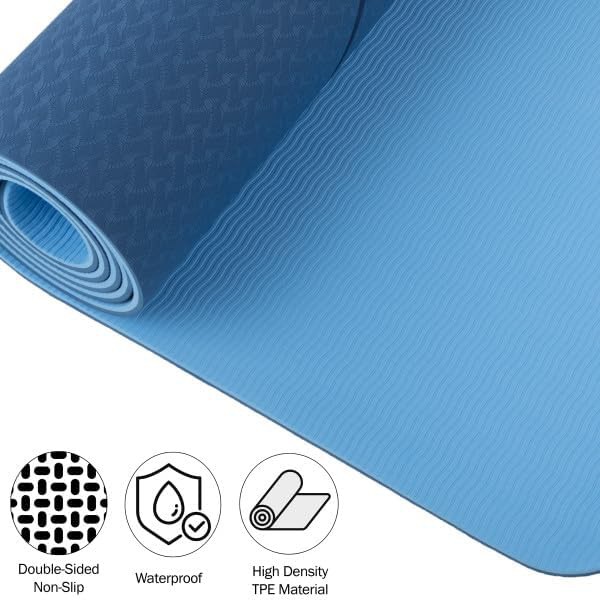
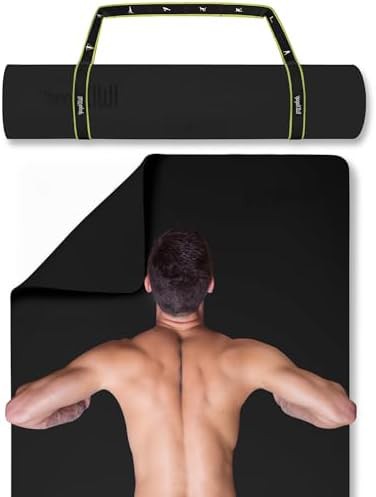
These mats come in blue, green, and black, and the samples list both men and women as intended users. The alignment feature is the constant across the group, while the base mat varies in thickness and grip level. A travel mat with alignment lines suits someone who wants the guides in a portable format.