 9.4
9.4
Yoga mats / 1 inch extra thick mats
This range
1 Inch Yoga Mats
Catalog updated 2026-10-15
Maximum padding for therapeutic exercises and heavy floor work 7 mats · 2 brands
Non-slip
Pilates mats
TPE
Stretching mats
Affordable
Eco-friendly
For women
For men
6mm
Lightweight
Foldable
10mm extra thick mats
Extra wide
Large 6'x4' exercise mats
With alignment lines
Black
Home gym mats
Extra long
Travel
High-density
Natural rubber
Hot
Printed
Extra large workout mats
8mm
Blue
Bulk
For kids
Anti-tear
Meditation mats
PVC
12mm thick mats
3mm thin
4mm
Cork
Professional
5mm
Green
Purple
For beginners
Pink
Grey
POE
Gray
Reversible
1 inch extra thick mats
Suede
Brown
Best 1 Inch Yoga Mats
| # | House | Model | Notes | Level | View offer |
|---|---|---|---|---|---|
| 1 | BalanceFrom |
9.4
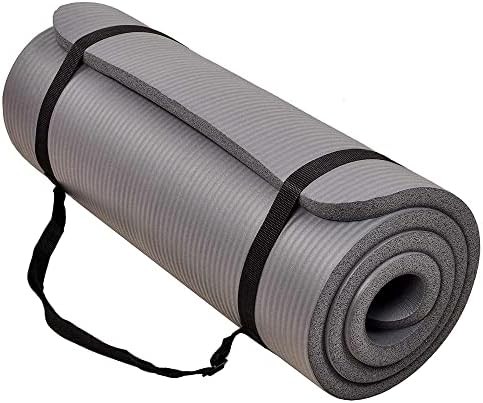
BalanceFrom Gray high density exercise yoga mat
|
Gray · Non-slip · Pilates mats | $31.99 |
$31.99
View offer
|
| 2 | CAP Barbell |
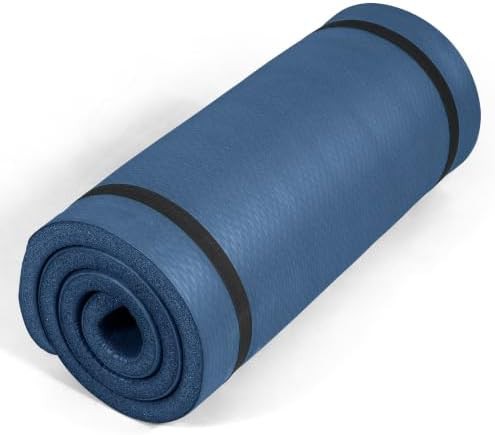 CAP Barbell Blue Diamond 1 in Extra Thick Mat
|
Blue · Pilates mats · Stretching mats | $34.83 |
$34.83
View offer
|
| 3 | BalanceFrom |
 9.4
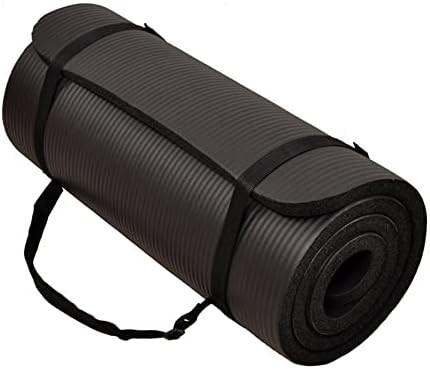
BalanceFrom Extra thick black exercise yoga mat
9.4
BalanceFrom Extra thick black exercise yoga mat
|
Black · Non-slip · Pilates mats | $31.99 |
$31.99
View offer
|
| 4 | CAP Barbell |
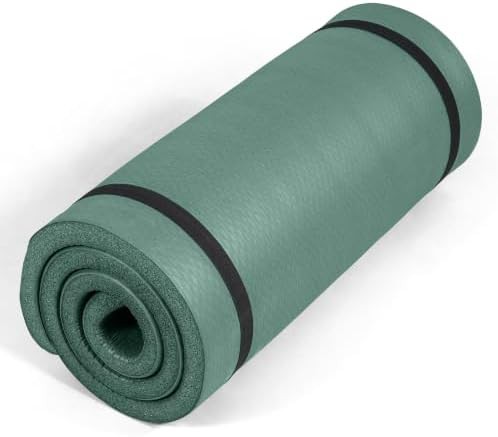 CAP Barbell Teal Diamond 1 in Extra Thick Mat
|
Pilates mats · Stretching mats · High-density | $36.99 |
$36.99
View offer
|
| 5 | BalanceFrom |
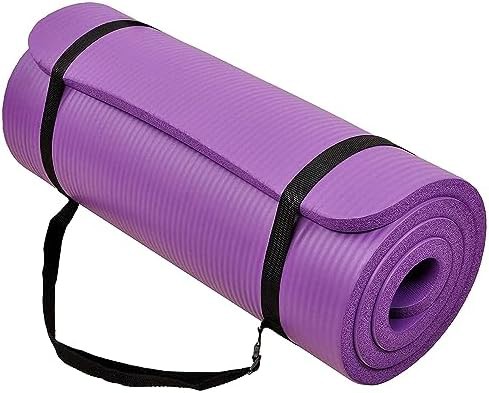 9.4
BalanceFrom Purple high density Pilates yoga mat
9.4
BalanceFrom Purple high density Pilates yoga mat
|
Non-slip · Pilates mats · High-density | $32.99 |
$32.99
View offer
|
| 6 | BalanceFrom |
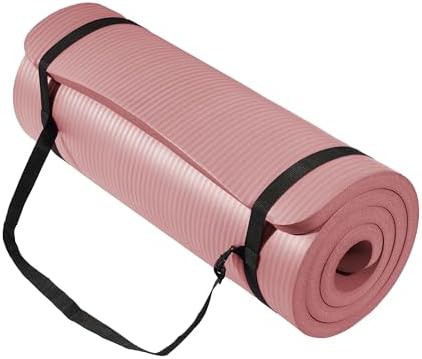 BalanceFrom Thick cushioned non slip exercise mat
|
Non-slip · Pilates mats · Stretching mats | $32.99 |
$32.99
View offer
|
| 7 | BalanceFrom |
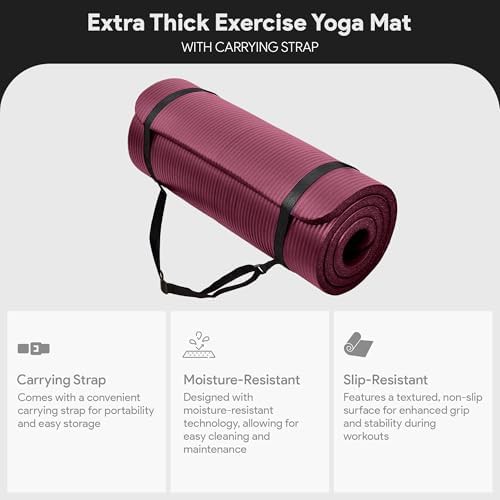
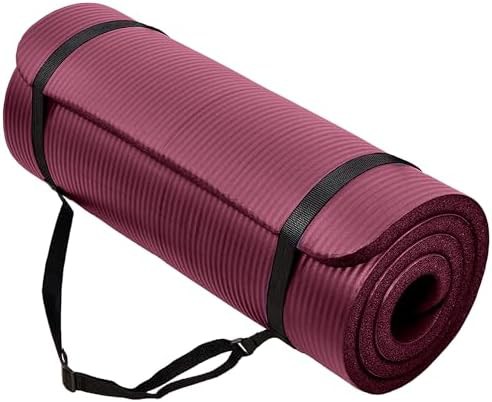 BalanceFrom Wine red extra thick exercise mat
|
Pilates mats · Stretching mats · Home gym mats | $32.98 |
$32.98
View offer
|
9.4
 9.4
9.4
 9.4
9.4

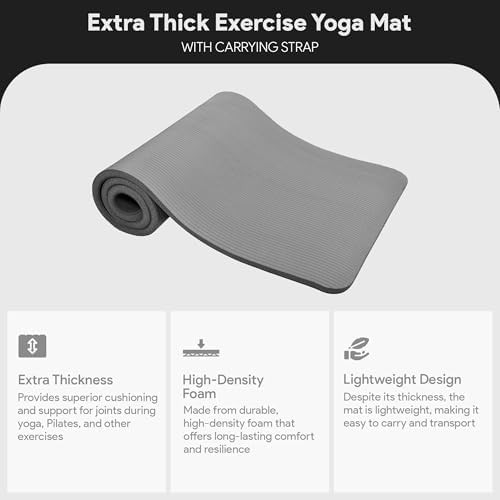
BalanceFrom
Wine red extra thick exercise mat
$32.98
Pilates mats Stretching mats Home gym mats High-density
Before you buy
One-inch mat questions
Is a one-inch mat too soft for standing poses?
It can feel unstable for balances and quick transitions because the foam compresses underfoot. For seated, reclined, and therapeutic work, the depth is the point. Many people keep a thinner mat for flow and a thick one for floor work.
What size are these mats?
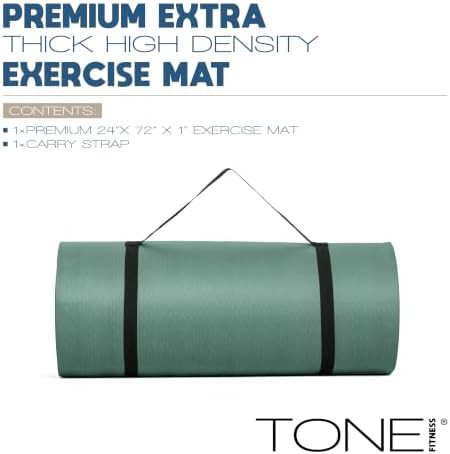
The mats here measure 71 by 24 inches, which fits most adults lying flat. That length covers the full body during reclined stretches. Width stays standard, so arm spread in wide poses is unchanged.
Do the textured surfaces actually help with grip?
The diamond texture raises the surface so hands and feet have something to press into as the foam compresses. It helps most when you are sweaty or barefoot. Grip still depends on the floor beneath the mat.
Will a one-inch mat stay flat on the floor?
High-density foam holds its shape and resists sliding better than softer foam of the same thickness. A dense inch stays supportive under a knee instead of collapsing. Smooth hard floors still call for a mat with a grippy underside.
Where the extra depth earns its keep
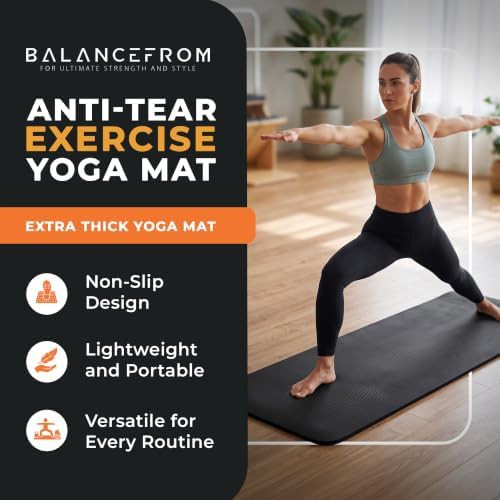
A one-inch mat puts a full inch of cushion between you and a hard floor, which changes what feels comfortable. The padding is deep enough to take pressure off knees, hips, and wrists during seated stretches, reclined poses, and long floor sequences. It suits therapeutic exercise, physical therapy routines, and anyone who finds a standard mat too thin against tile or concrete. The tradeoff is stability: standing balances and fast transitions feel less grounded because the surface gives underfoot.
How the surface is built
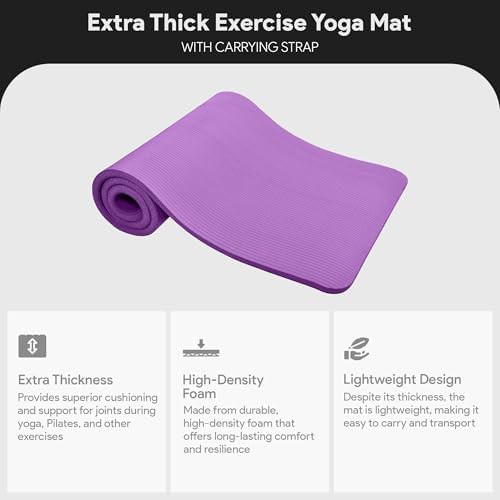
The mats in this slice run 71 by 24 inches, a length that fits most adults lying flat. They come in black, gray, blue, purple, wine, and teal, with some surfaces carrying a diamond texture. That raised pattern is what keeps hands and feet from sliding when the foam compresses.
The foam itself is high-density, which is what lets a full inch stay supportive instead of bottoming out. Density matters more than thickness alone here: a dense inch holds its shape under a knee, while a soft inch collapses and puts you back on the floor.
What to weigh before choosing one
The main question is whether you need the cushion more than you need a firm, responsive surface. If your practice is mostly restorative, therapeutic, or mat-based strength work, the depth is an asset. If you spend most of your time on standing poses or flow, a thinner mat will feel more stable. Also consider storage: a full inch of foam rolls into a thicker cylinder and takes more room to stash.