 9.4
9.4
Yoga mats / Lightweight
This range
Lightweight Yoga Mats
Catalog updated 2026-10-15
Easy-to-carry mats designed for commuters and studio-goers 54 mats · 25 brands
Non-slip
Pilates mats
TPE
Stretching mats
Affordable
Eco-friendly
For women
For men
6mm
Lightweight
Foldable
10mm extra thick mats
Extra wide
Large 6'x4' exercise mats
With alignment lines
Black
Home gym mats
Extra long
Travel
High-density
Natural rubber
Hot
Printed
Extra large workout mats
8mm
Blue
Bulk
For kids
Anti-tear
Meditation mats
PVC
12mm thick mats
3mm thin
4mm
Cork
Professional
5mm
Green
Purple
For beginners
Pink
Grey
POE
Gray
Reversible
1 inch extra thick mats
Suede
Brown
Best Lightweight Yoga Mats
9.4
 9.4
9.4
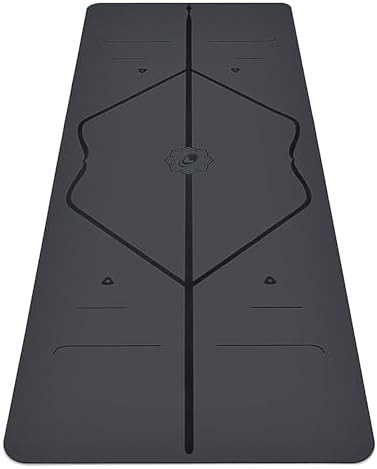
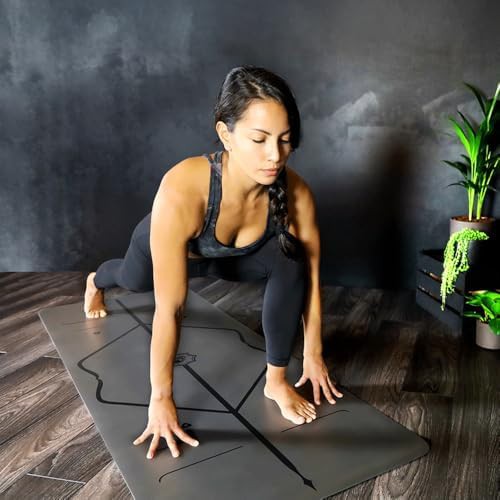
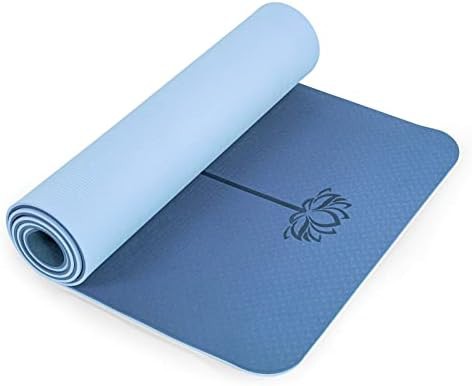
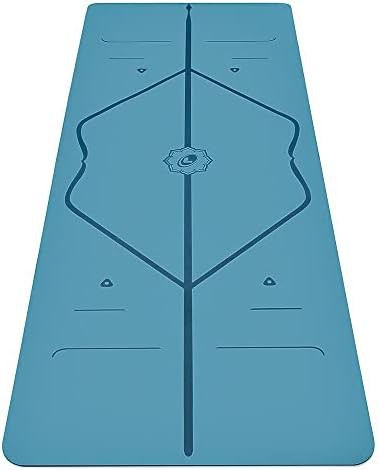
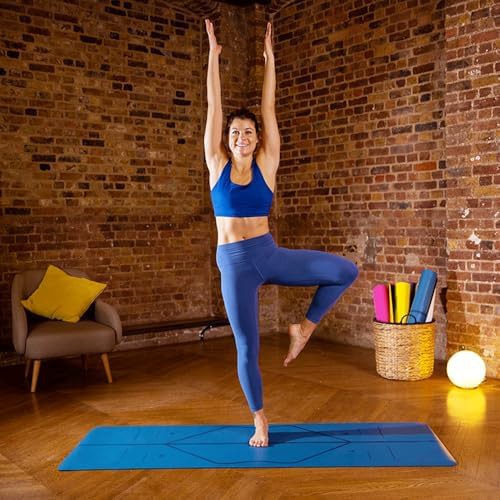
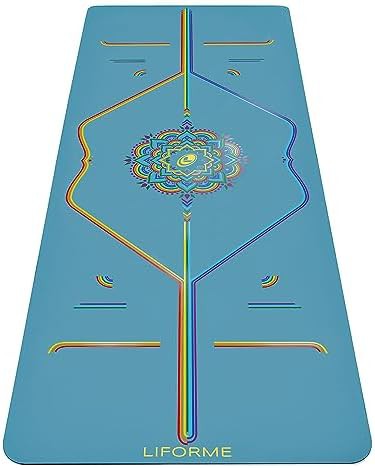
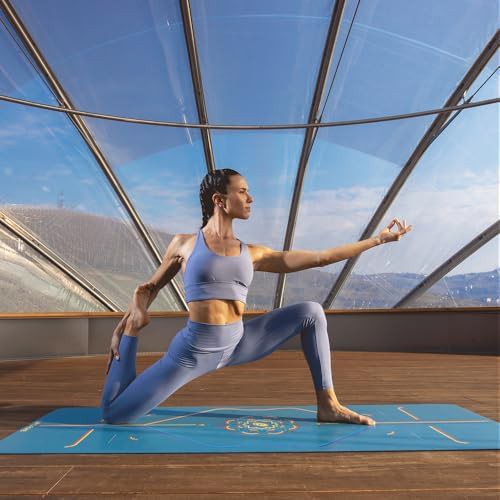
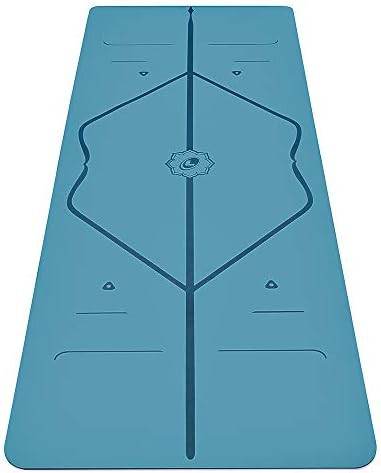
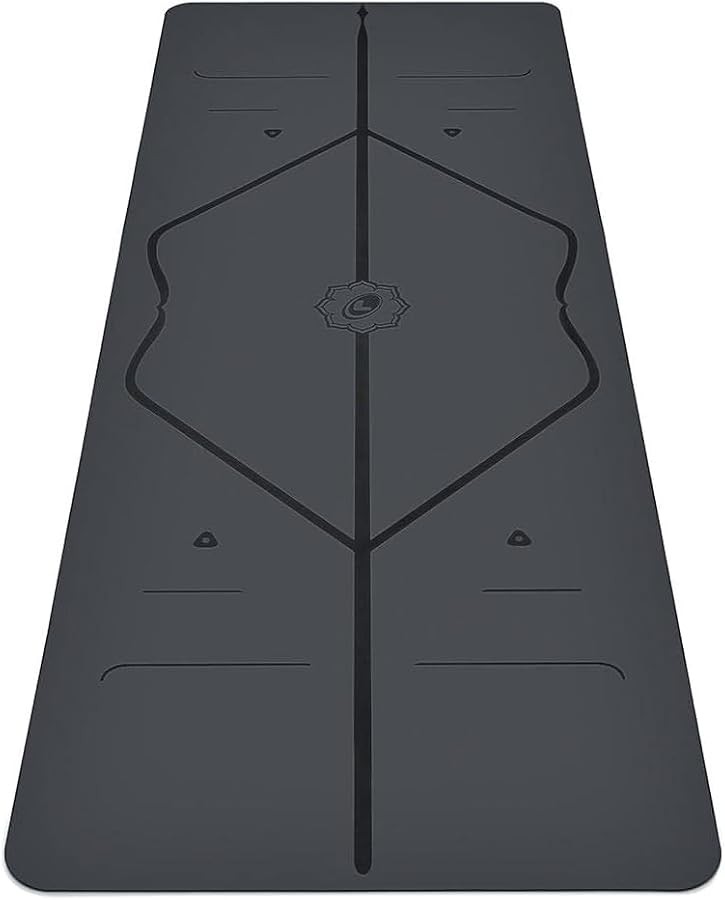
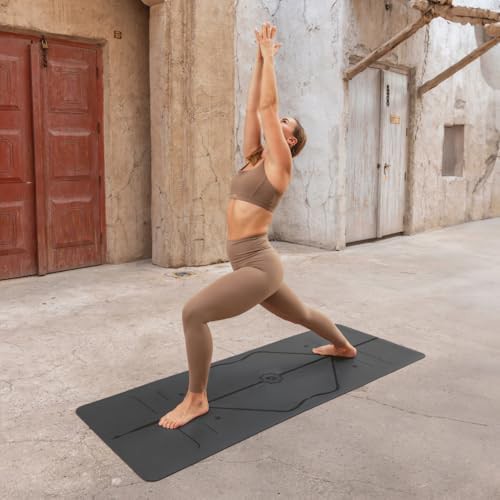
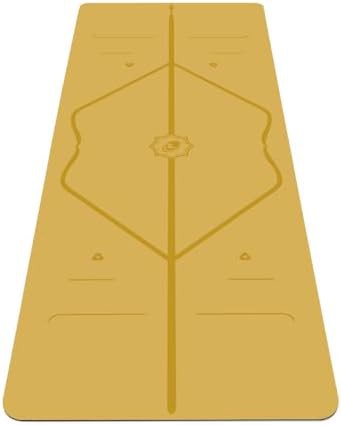
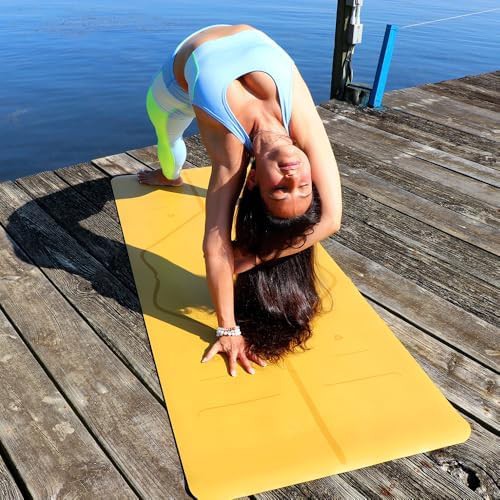
LIFORME
Classic large alignment yoga mat lightweight
$165
Large 6'x4' exercise mats With alignment lines Professional
 9.4
9.4
 9.4
9.4
 9.4
9.4
 9.4
9.4
 9.4
9.4
 9.3
9.3
 9.3
9.3
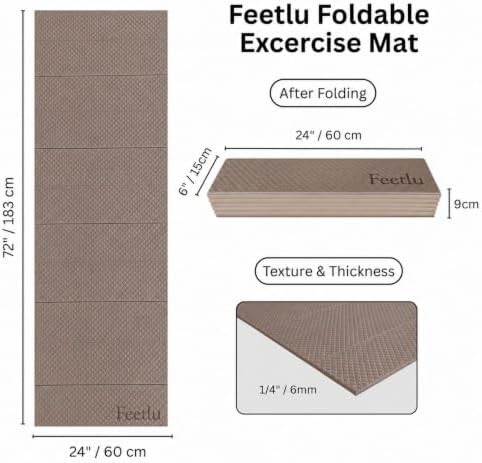
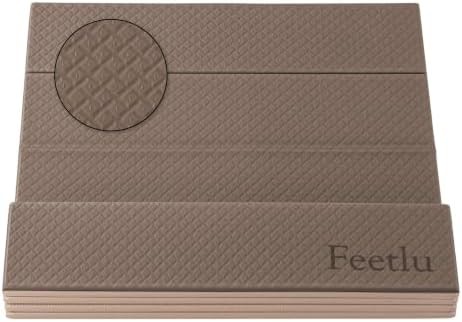
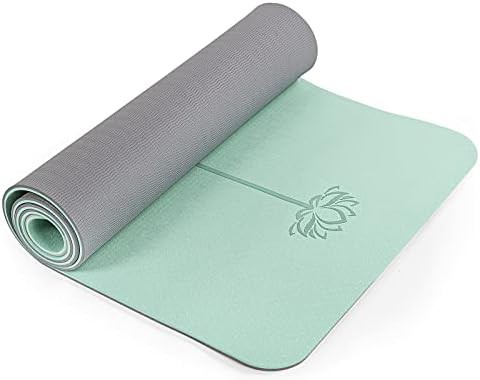
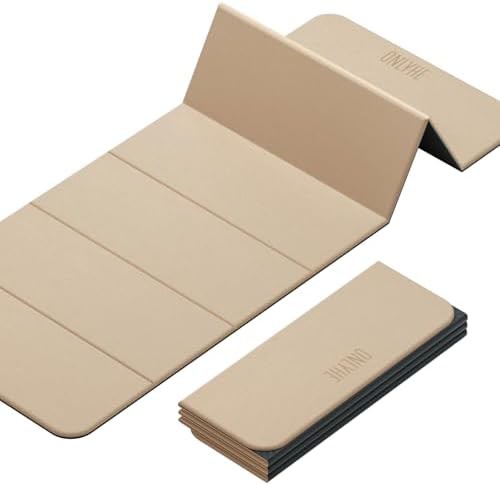
Feetlu
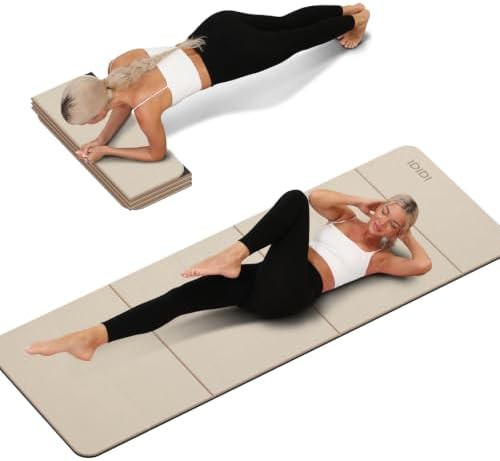
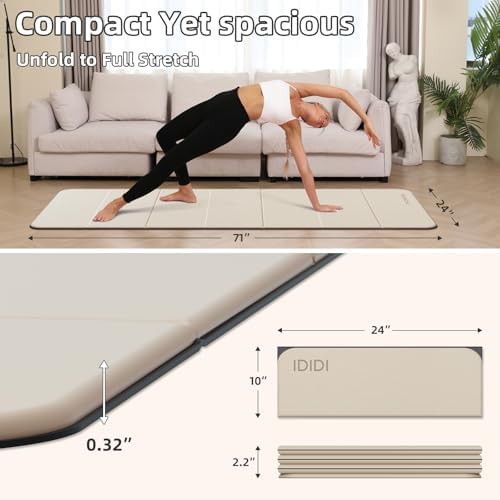
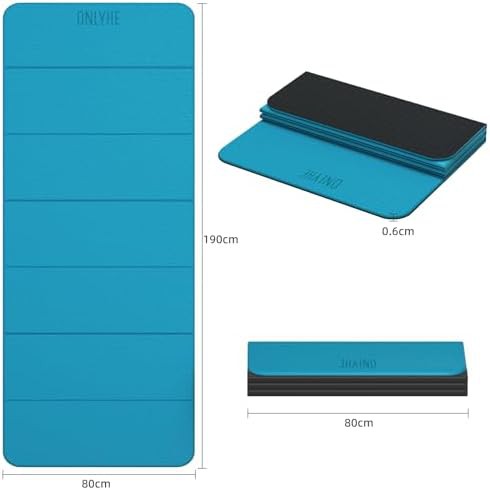
Coffee foldable lightweight fitness mat
$47.30
Brown Non-slip Pilates mats Stretching mats 6mm
 9.3
9.3
 9.2
9.2
 9.1
9.1
 9.1
9.1
 9.1
9.1
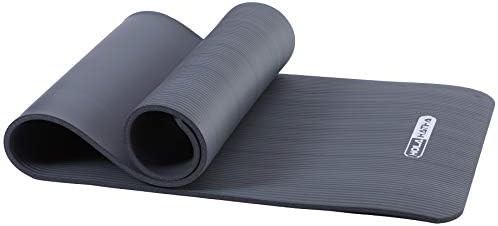
HolaHatha
Reversible black high density 12mm mat
$26.99
Black Non-slip Pilates mats Affordable Home gym mats
 9.1
9.1
 9.1
9.1
 9.1
9.1
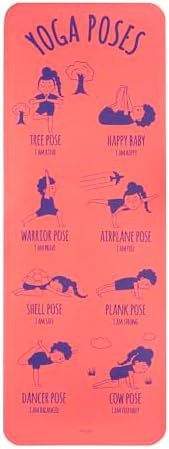
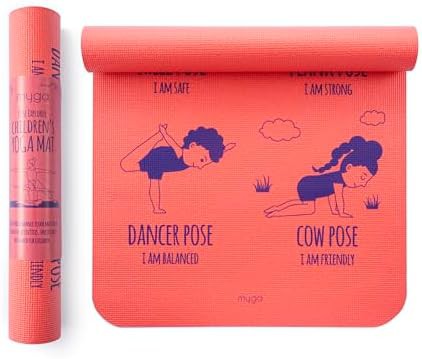
Myga
Silk print kids meditation and fitness mat
$23.99
Non-slip Affordable Printed For kids Meditation mats
 8.9
8.9
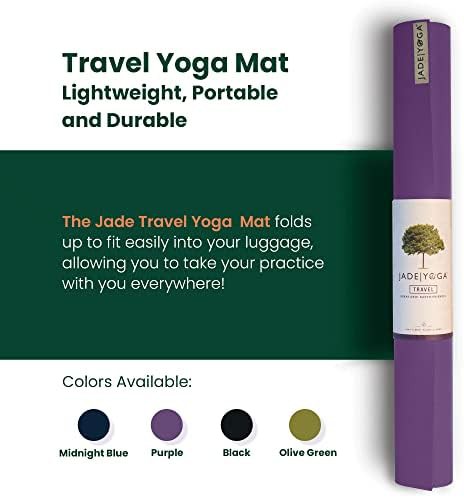
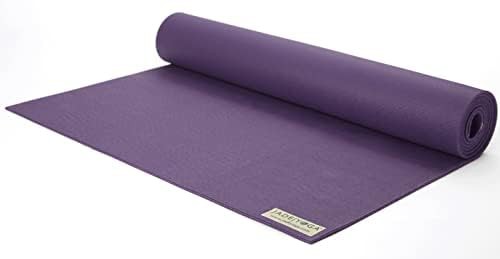
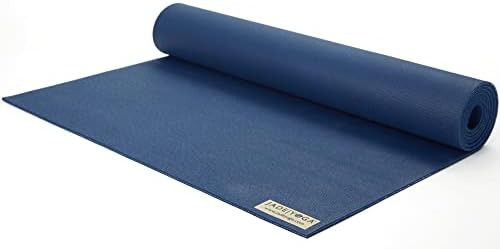
Jade Yoga
Purple travel natural rubber yoga mat
$79.95
Men Women Non-slip Pilates mats Stretching mats
 8.9
8.9
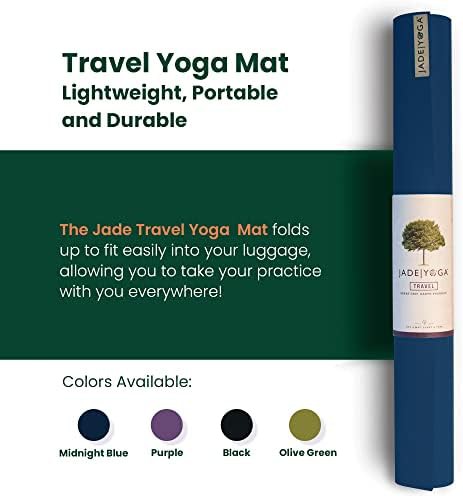
Jade Yoga
Midnight blue travel rubber yoga mat 74 inch
$108
Blue Men Women Non-slip Pilates mats Stretching mats
 8.9
8.9
 8.9
8.9
 8.9
8.9
 8.8
8.8
 8.7
8.7
 8.7
8.7
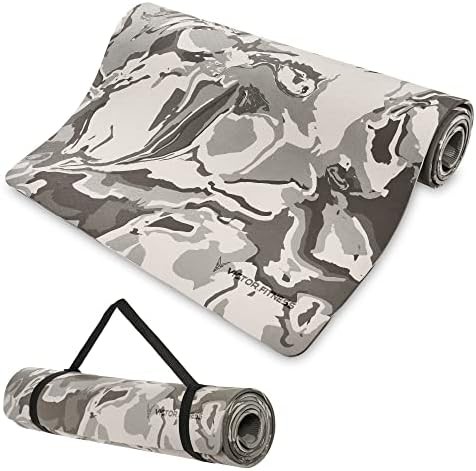
Victor Fitness
Gray camouflage eco friendly TPE mat
$20.99
Gray Non-slip Pilates mats TPE Affordable Eco-friendly
 8.7
8.7
 8.7
8.7
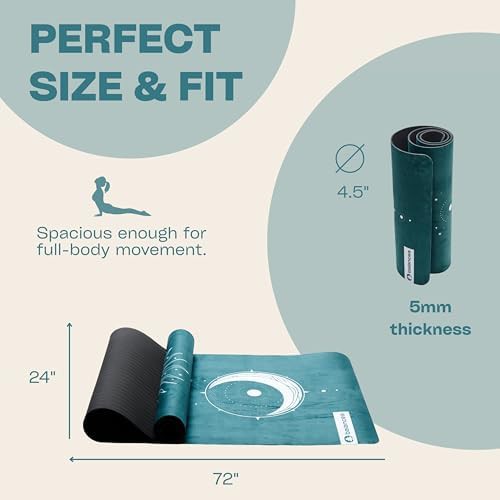
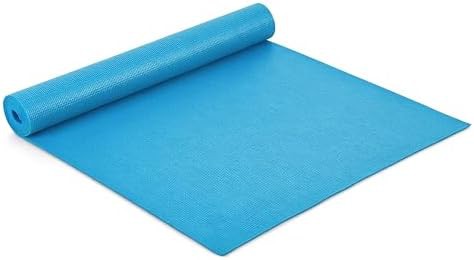 8.6
8.6
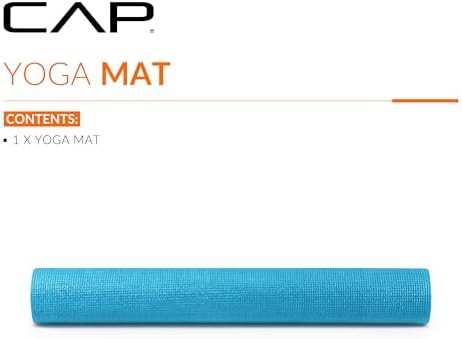
CAP Barbell
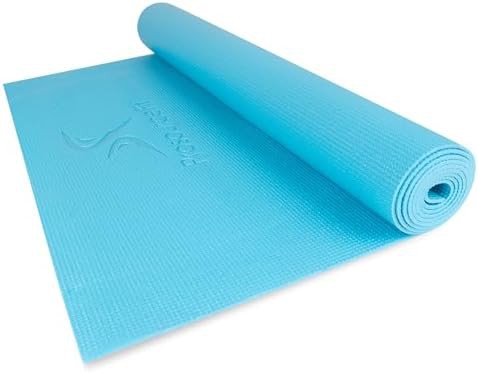
Blue Lightweight Non Slip Fitness Mat
$11.99
Blue Non-slip Pilates mats Stretching mats Affordable
 8.6
8.6
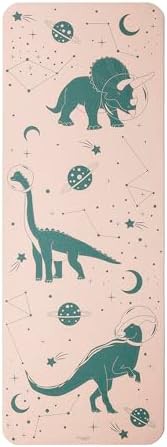
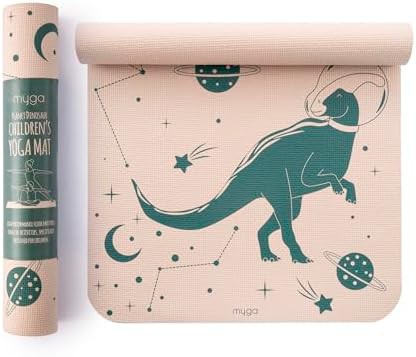
Myga
Childrens yoga mat with custom design options
$23.99
Non-slip Affordable Printed For kids Meditation mats
 8.5
8.5
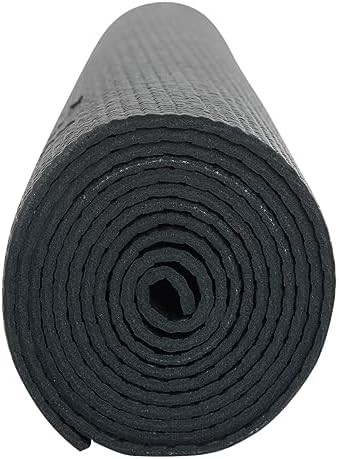
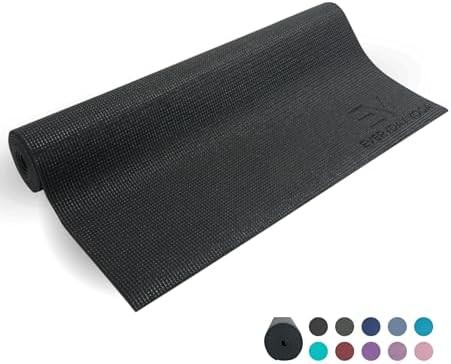
Everyday Yoga
Black Travel Lightweight 3mm Yoga Mat
$24.95
Black Non-slip Affordable Travel 3mm thin
 7.2
7.2
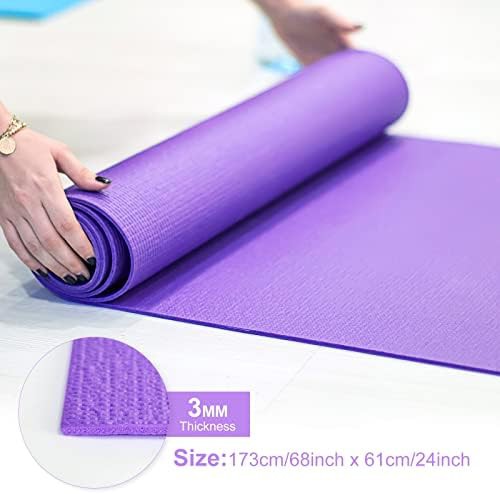
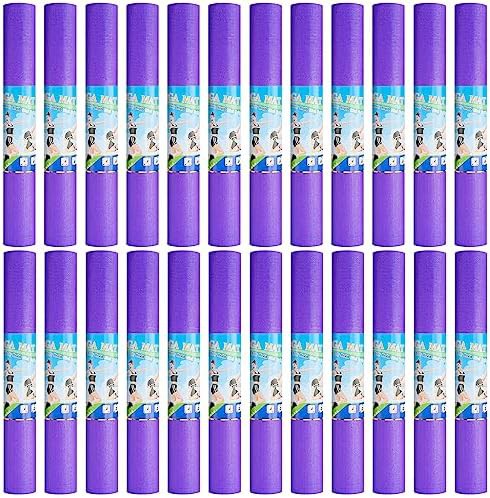
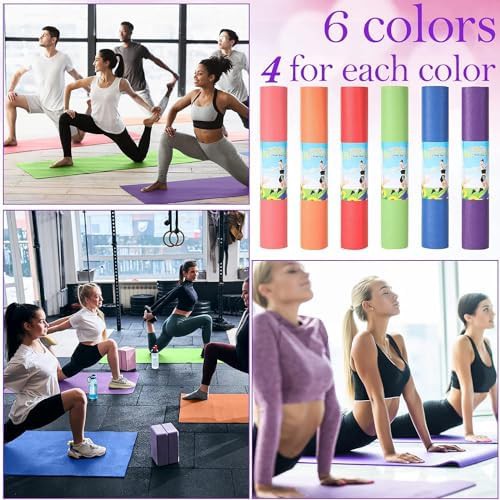
Funtery
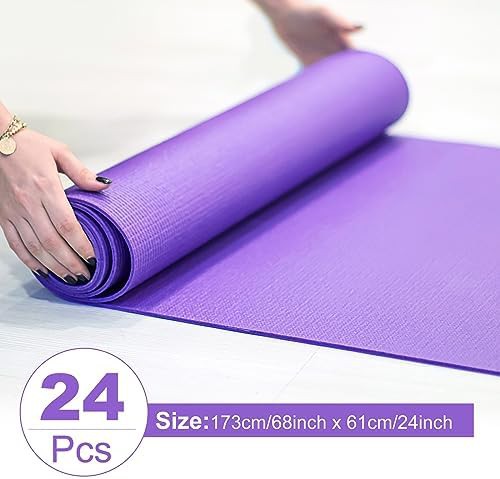
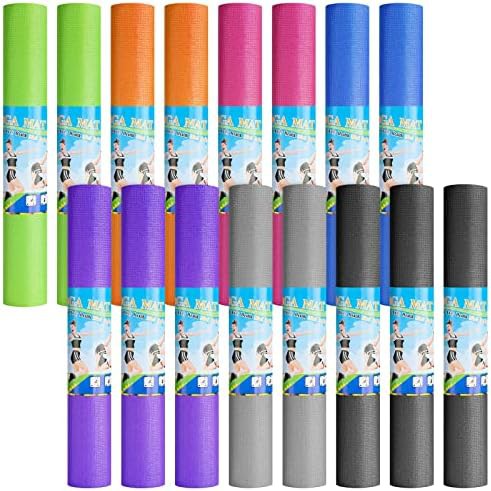
Multicolored bulk PVC fitness mats 16 pack
$130
Men Non-slip Pilates mats Stretching mats Bulk
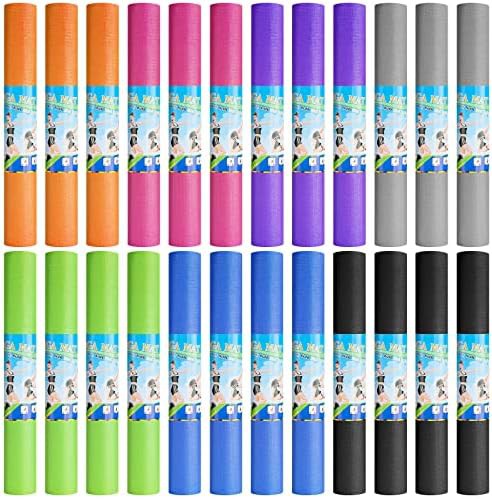
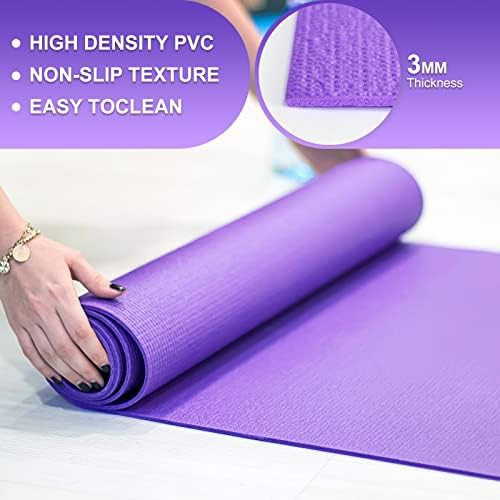
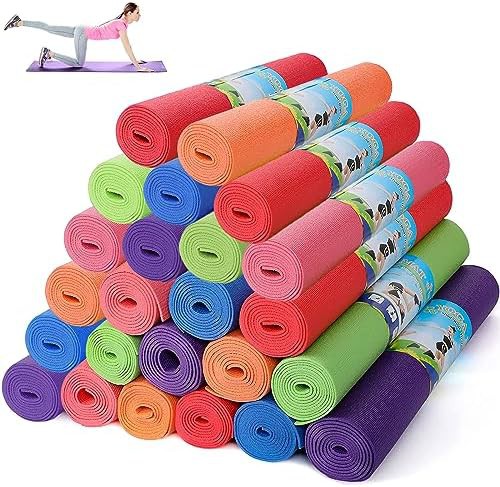
Wettarn
Colorful lightweight PVC pilates mats bulk pack
$230
Red Non-slip Pilates mats High-density Blue
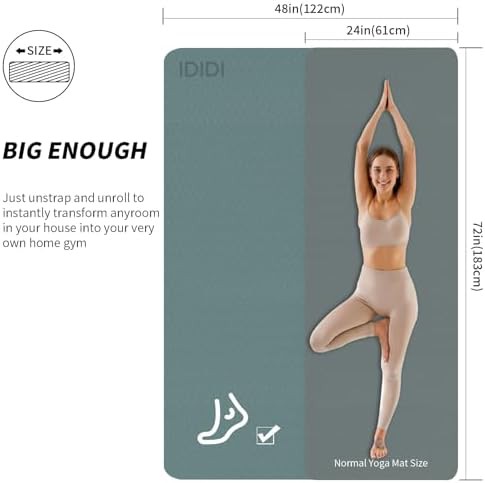
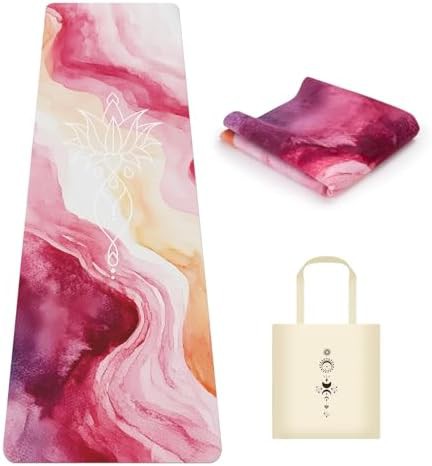
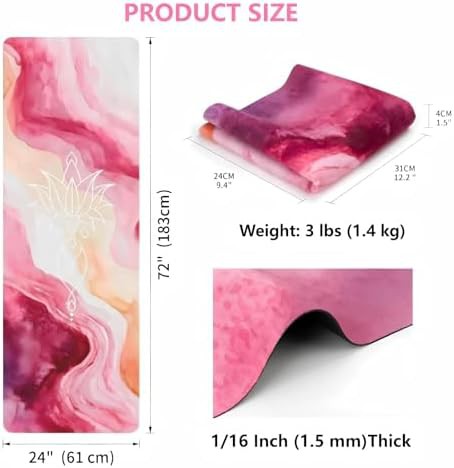
MicaYoung
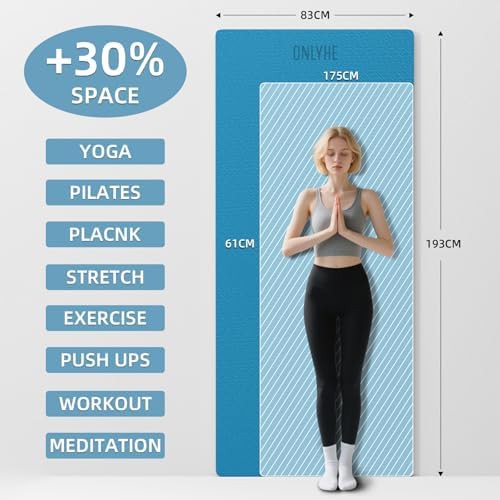
Suede foldable lightweight travel mat
$25.99
Non-slip Pilates mats Affordable Foldable Home gym mats
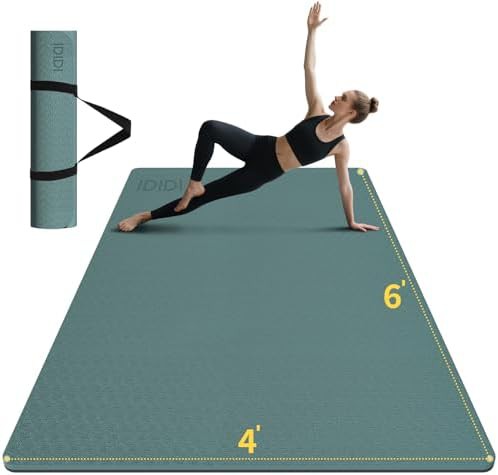
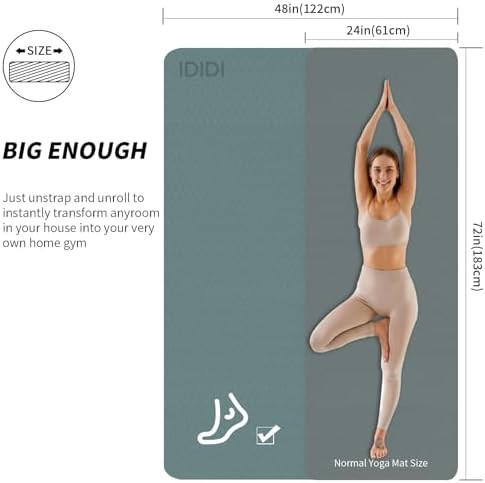
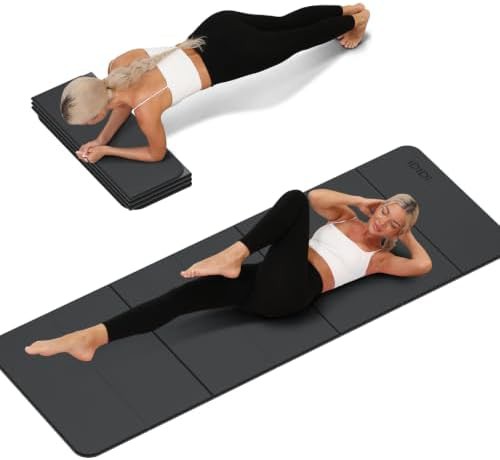
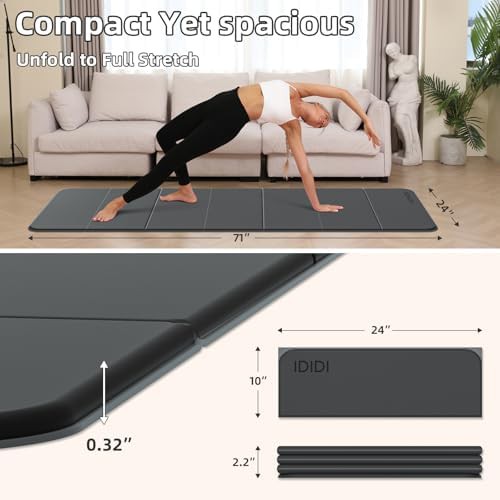
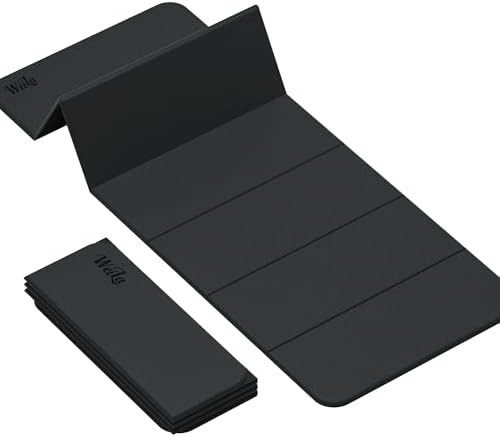
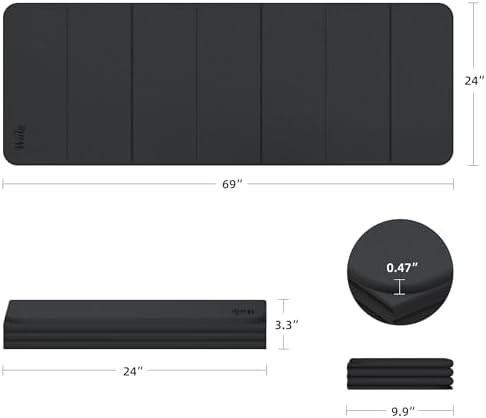
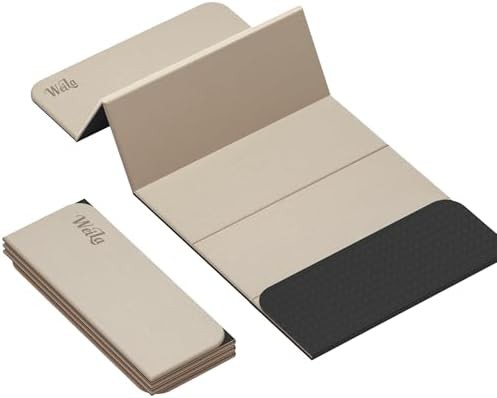
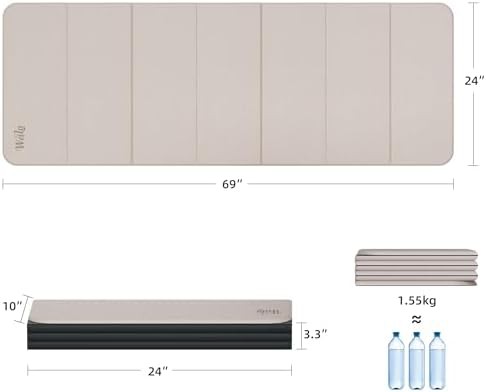
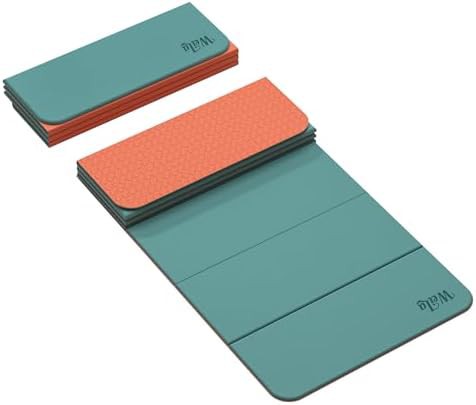
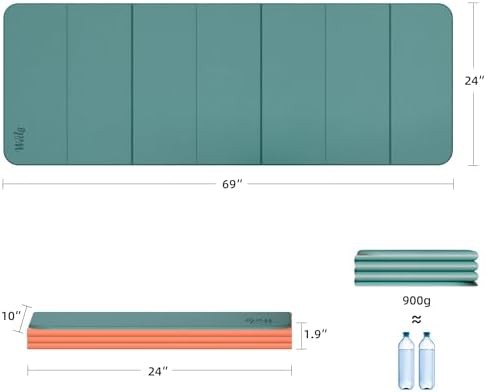
WEILA
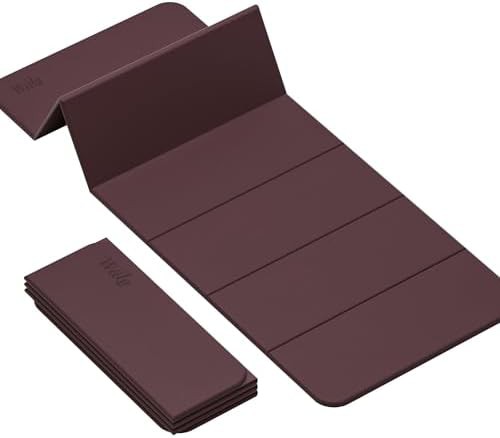
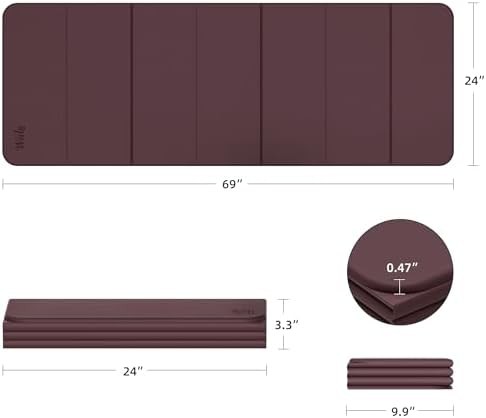
Lightweight Foldable TPE Pilates Mat 12mm
$59.99
Non-slip Pilates mats TPE Foldable 12mm thick mats
Before you buy
Lightweight mat questions
Are lightweight mats good for hot yoga?
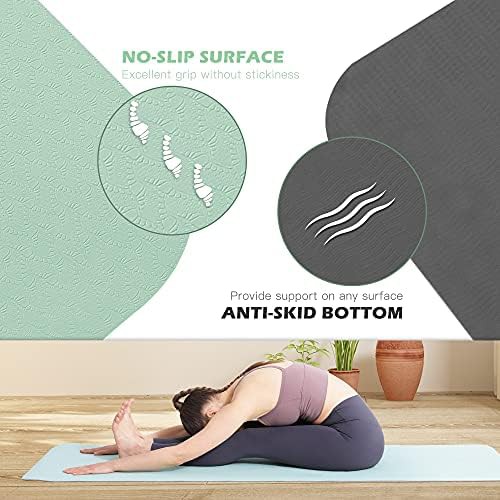
They can work if the surface has a non-slip grip, but thinner mats offer less cushioning when you are sweating and moving quickly. Many lightweight mats are designed for travel and general studio use rather than heated rooms. If you slip often, a mat with a textured top helps.
Can a lightweight mat fold instead of roll?
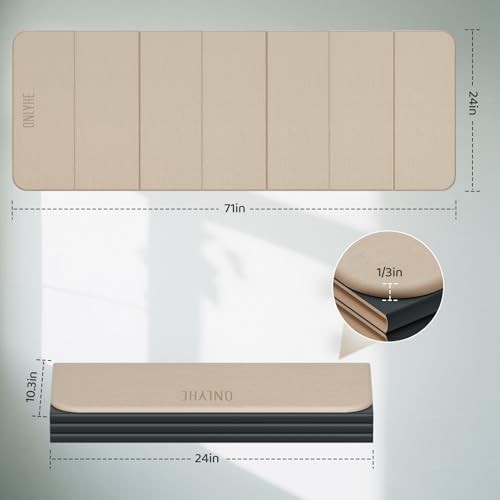
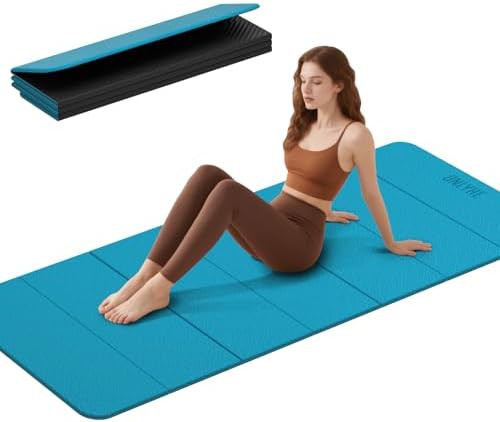
Some lightweight mats are foldable, which lets them pack flat into a bag or suitcase. Foldable styles often come in multiple thicknesses, so you can choose a thinner one for travel. Rolling is still common, and a carrying sling makes either style easier to transport.
What materials are used in lightweight yoga mats?
Natural rubber and TPE are both common, and some mats use a foam blend to reduce weight. Natural rubber tends to have a grippy feel, while TPE is lightweight and easy to wipe down. The material affects how the mat grips the floor and how it wears over time.
Do lightweight mats come in wide sizes?
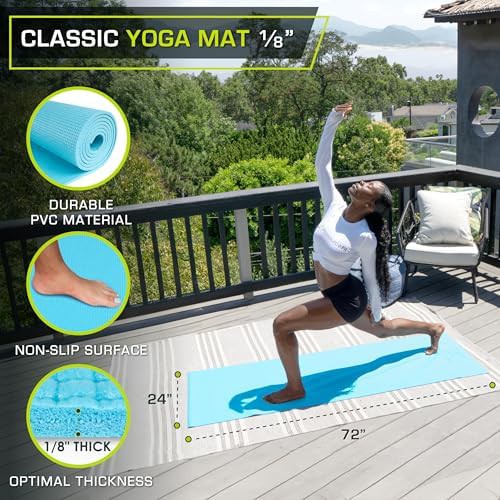
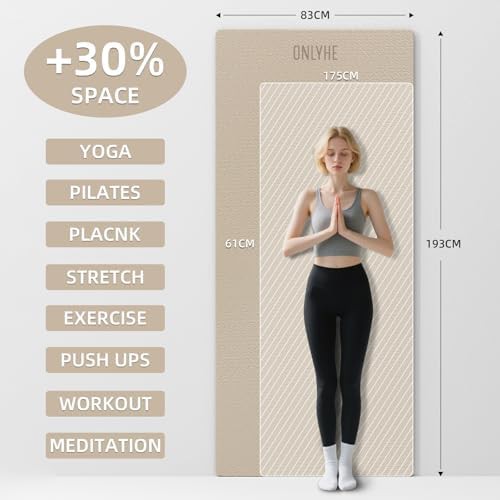
Most lightweight mats are standard width, around 24 inches, because wider sizes add bulk and weight. A few travel mats come in longer lengths like 74 inches for taller users. If you need extra width, a thicker home mat is usually a better fit.
Built to travel between home and studio
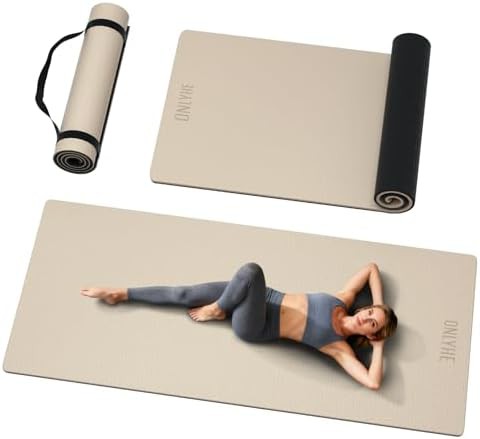
Lightweight yoga mats are made to be carried, so they tend to be thinner and more packable than the mats you leave unrolled in a home gym. Many are travel mats that roll or fold into a compact bundle, and some are designed to fold flat rather than roll. The trade-off is less cushioning under knees and wrists, but the payoff is a mat you can sling over your shoulder or tuck into a bag without thinking about it.
Materials vary: natural rubber appears in some travel mats, while others use TPE or a foam blend that keeps weight down. A carrying sling is sometimes included, which makes the mat easy to tote without a separate bag. Colors run from black, gray, and blue to pink, red, green, and brown, so you can pick something visible in a crowded studio.
How it differs from thicker or stay-put mats
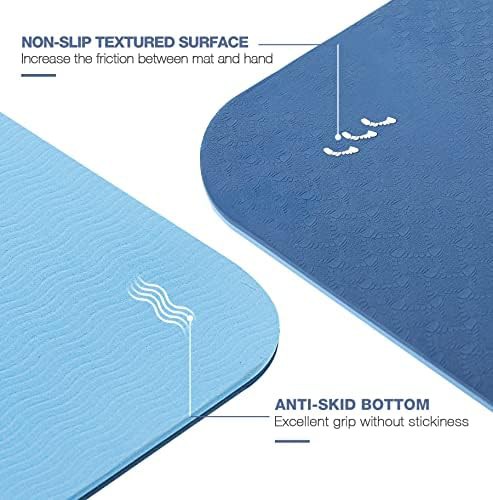
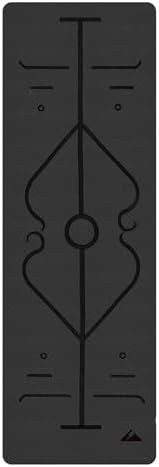
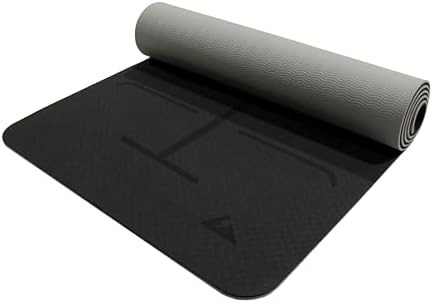
Compared with a 6mm mat, a lightweight travel mat is usually thinner and more flexible, which means it folds or rolls smaller but offers less joint cushioning. It is not the mat for a long restorative practice with lots of kneeling, but it is fine for a vinyasa class or a hotel-room session. The surface is often textured for grip, and some models use an alignment design printed on the mat to help with hand and foot placement.
A lightweight mat also differs from a high-density or professional mat in how it feels underfoot: it may be less dense, so it compresses more easily and can slide on slick floors unless the underside has a good grip. For commuters, the priority is usually packability and quick drying, not maximum cushion. If you mostly practice at home and want a permanent spot, a heavier mat stays put better.