 9.4
9.4
Yoga mats / Anti-tear
This range
Anti-tear Yoga Mats
Catalog updated 2026-10-15
Reinforced construction to prevent ripping during intense workouts 22 mats · 9 brands
Non-slip
Pilates mats
TPE
Stretching mats
Affordable
Eco-friendly
For women
For men
6mm
Lightweight
Foldable
10mm extra thick mats
Extra wide
Large 6'x4' exercise mats
With alignment lines
Black
Home gym mats
Extra long
Travel
High-density
Natural rubber
Hot
Printed
Extra large workout mats
8mm
Blue
Bulk
For kids
Anti-tear
Meditation mats
PVC
12mm thick mats
3mm thin
4mm
Cork
Professional
5mm
Green
Purple
For beginners
Pink
Grey
POE
Gray
Reversible
1 inch extra thick mats
Suede
Brown
Best Anti-tear Yoga Mats
9.4
 9.4
9.4
 9.4
9.4
 9.3
9.3
 9.3
9.3
 9.3
9.3
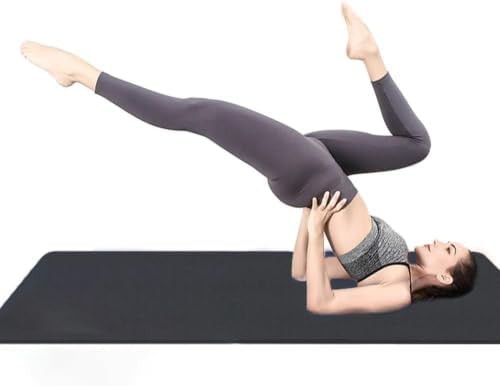
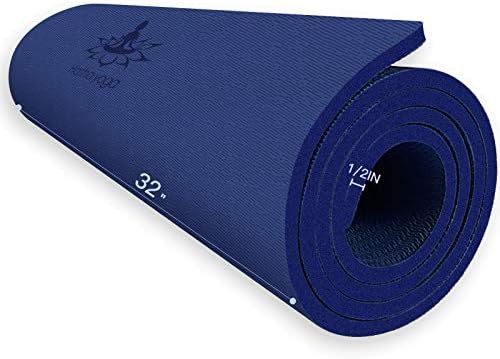
Hatha yoga
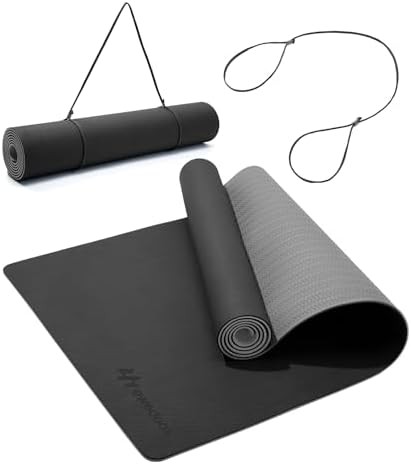
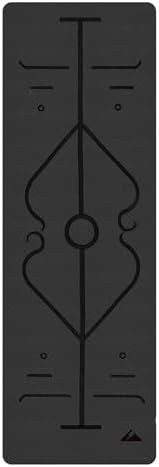
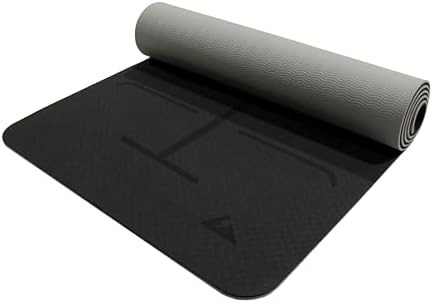
Extra thick black TPE yoga mat
$58.88
Black TPE Eco-friendly Home gym mats Extra long Travel
 9.3
9.3
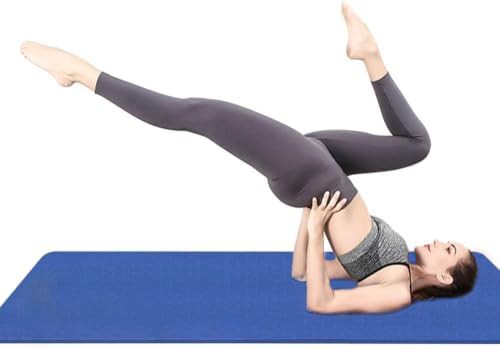
Hatha yoga
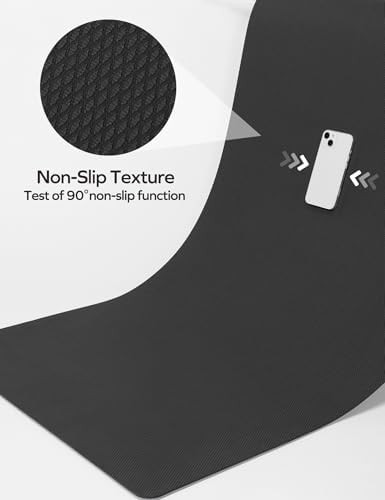
Extra thick blue TPE yoga mat
$58.88
Blue TPE Eco-friendly Extra wide Home gym mats Travel
 9.3
9.3
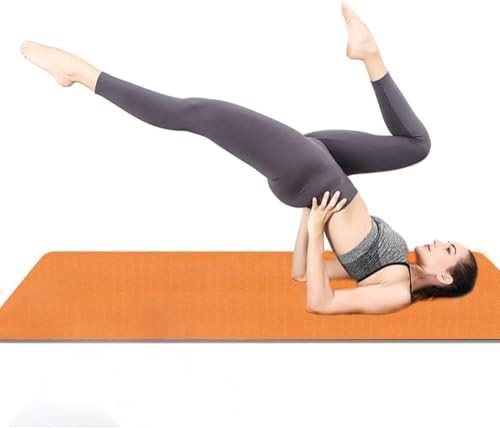
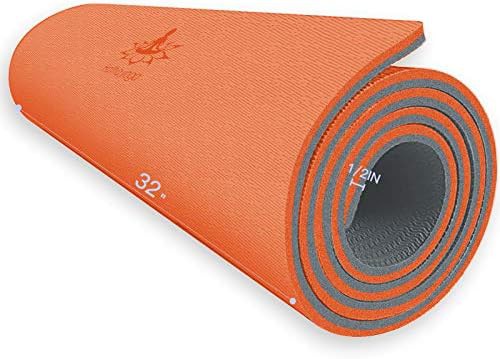
Hatha yoga
Extra thick orange and gray mat
$58.88
Gray TPE Eco-friendly Extra wide Home gym mats Travel
 9.1
9.1
 9.1
9.1
 9.1
9.1
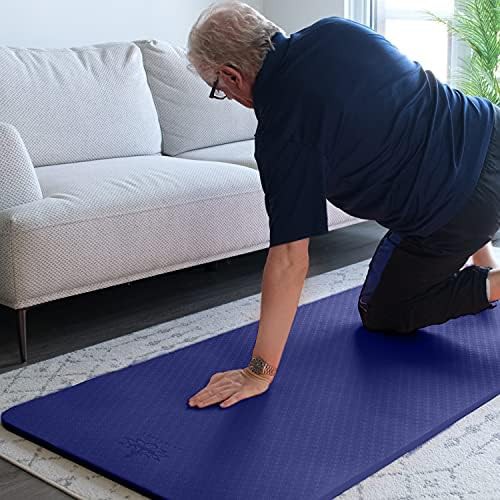
Hatha yoga
Large TPE fitness and exercise mat
$88
Men Women Non-slip TPE Large 6'x4' exercise mats High-density
 6.5
6.5
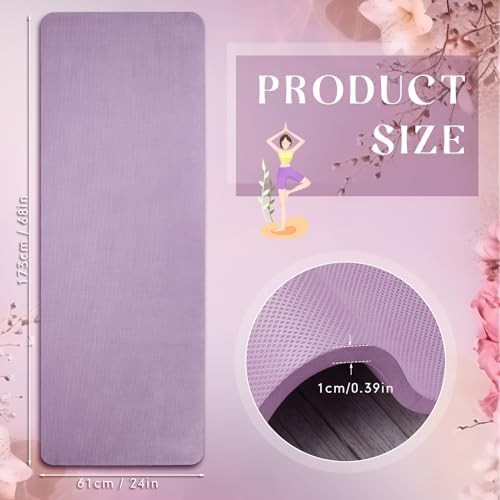
Timgle
Blue classic 10mm anti slip yoga mat
$113
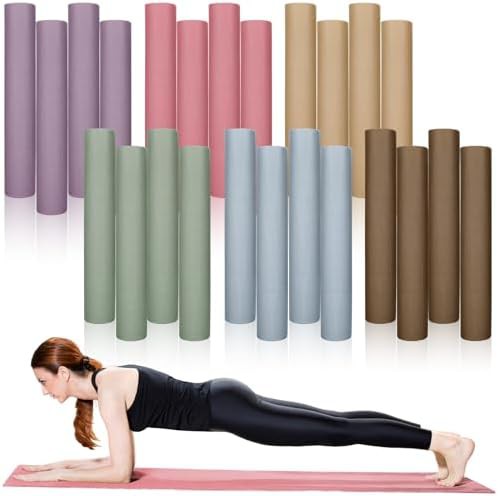
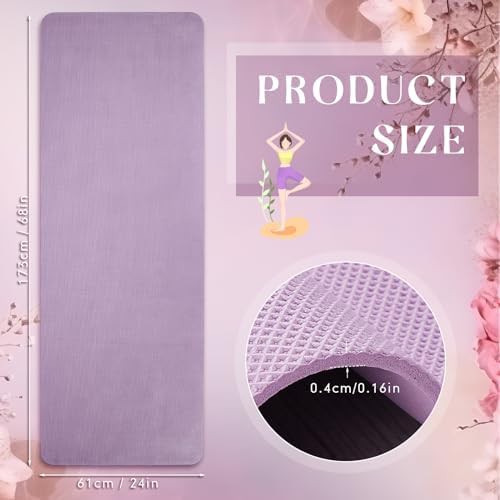
Blue Pilates mats Stretching mats Foldable 10mm extra thick mats Bulk
 6.1
6.1
 4.1
4.1
Timgle
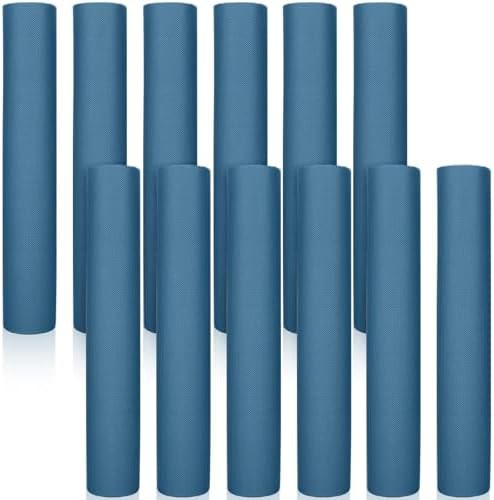
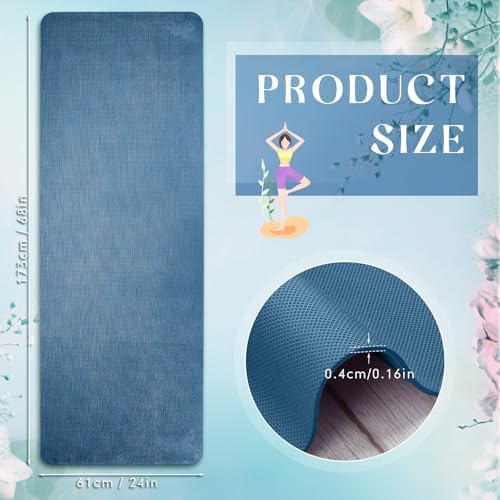
Navy blue 12 pack 4mm fitness mat
$107
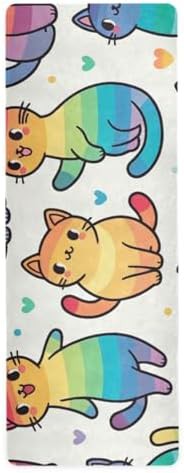
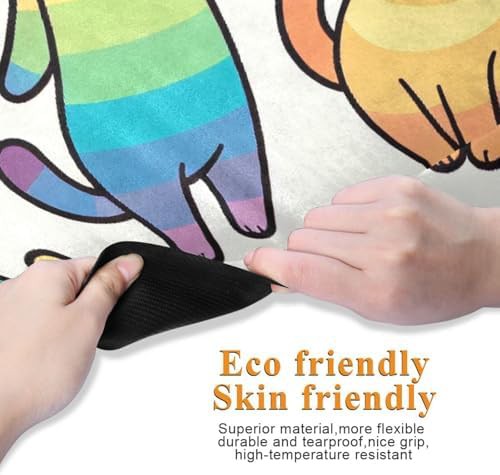
Navy Non-slip Stretching mats Foldable Extra long Blue
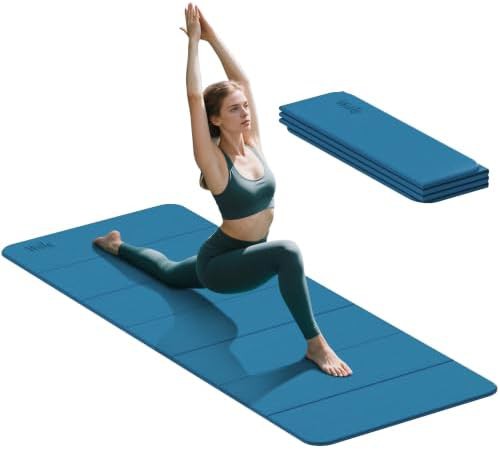
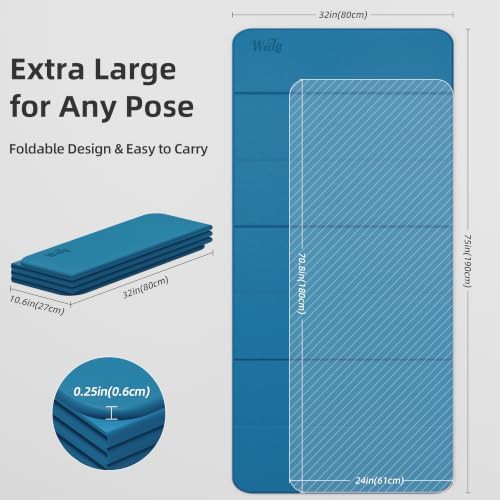
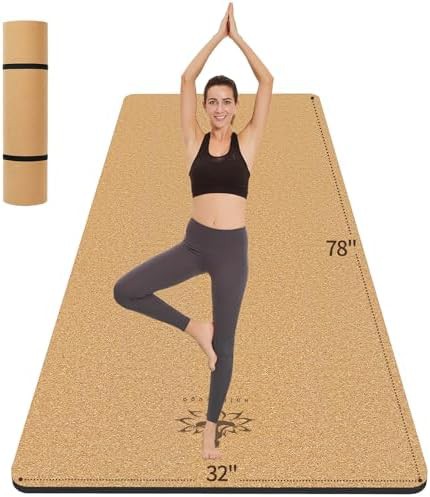
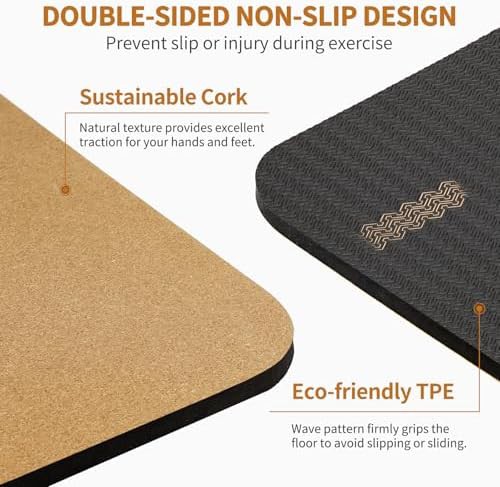
Hatha yoga
Extra large natural cork yoga mat
$79.99
Non-slip Pilates mats TPE Eco-friendly Hot Extra large workout mats
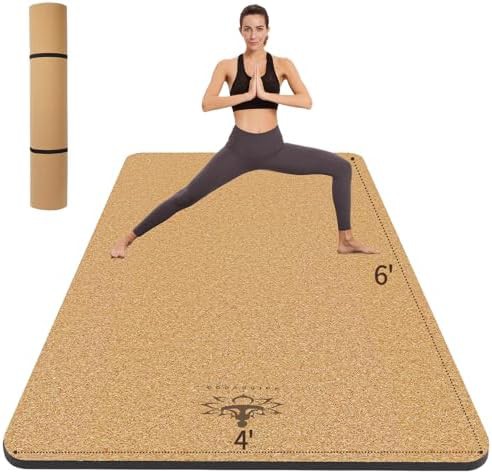
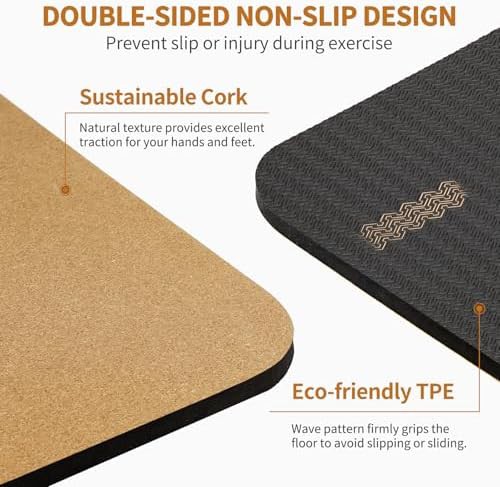
Hatha yoga
Wide cork and TPE exercise mat
$89.99
Non-slip Pilates mats TPE Eco-friendly Home gym mats Hot
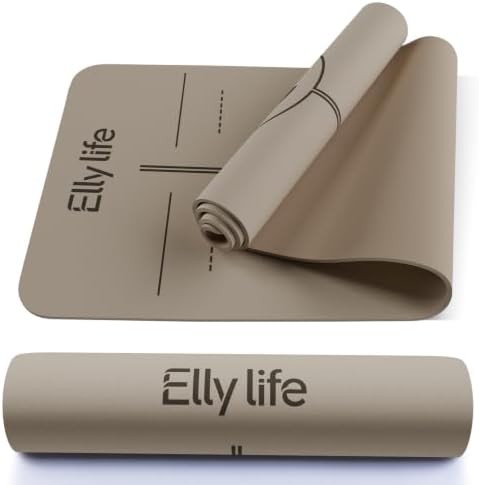
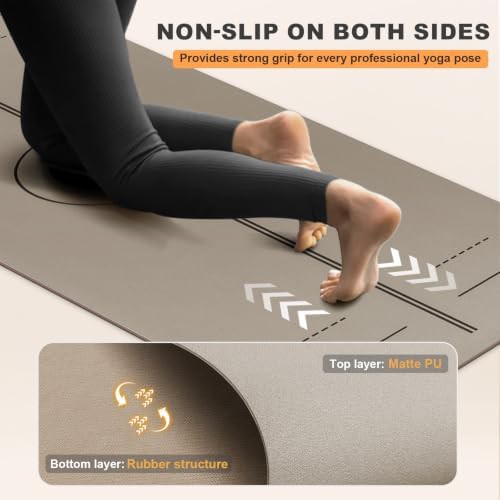
Ellylife
Eco Friendly Rubber Ultimate Grip Mat
$89.99
Non-slip Pilates mats Eco-friendly With alignment lines Natural rubber
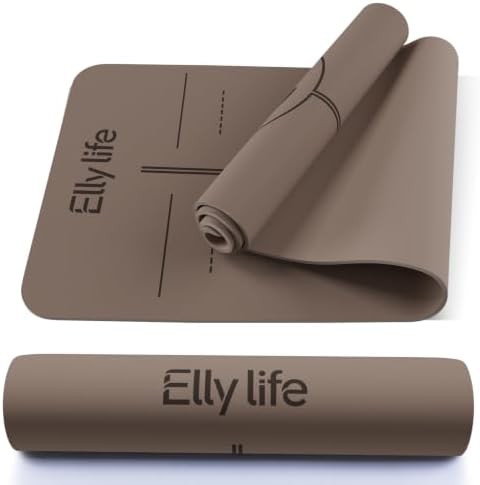
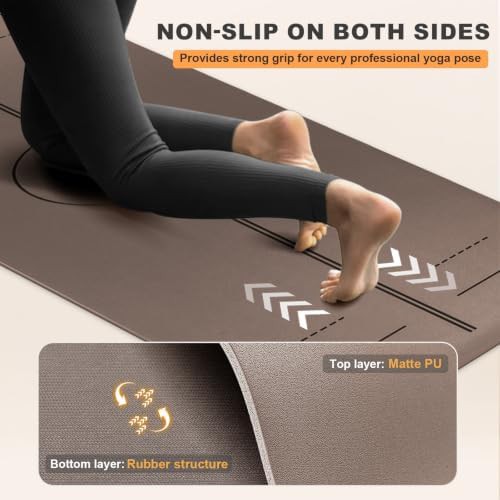
Ellylife
Natural Rubber Mat with Alignment Lines
$89.99
Non-slip Pilates mats Eco-friendly With alignment lines Natural rubber
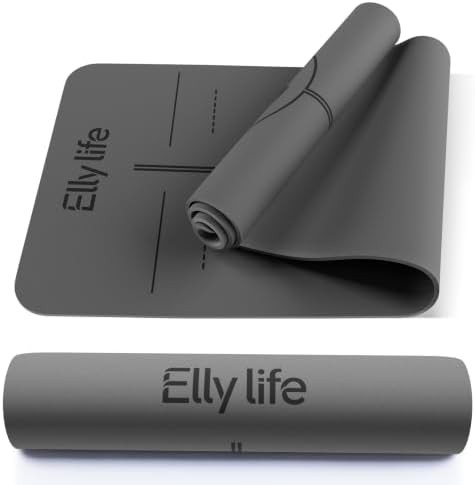
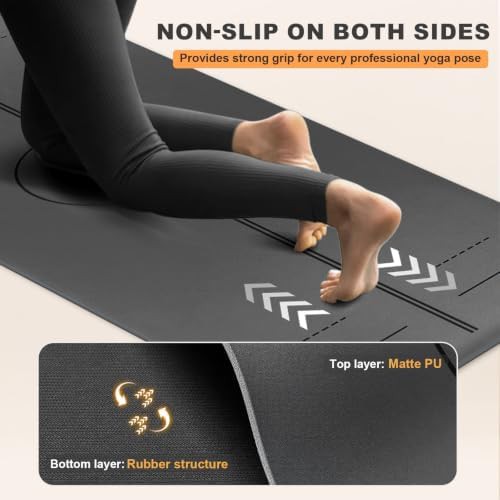
Ellylife
Non Slip Natural Rubber Pilates Mat
$89.99
Non-slip Pilates mats Eco-friendly With alignment lines Natural rubber
Before you buy
Anti-tear yoga mat questions
Will an anti-tear mat survive daily home workouts?
The reinforced surface is built to resist the edge nicks and surface pulls that come from repeated use. It holds up better than a standard mat when you move through transitions or adjust your footing often. It is still a mat, not a floor, so it will not shrug off sharp objects or pet claws.
Does anti-tear mean the mat is thicker or heavier?
No, the anti-tear layer is about surface durability, not cushioning. These mats come in 6mm, 1/4 inch, and 1/2 inch thicknesses, and the lighter TPE versions stay easy to carry. A thicker mat gives more padding but the same tear resistance as a thinner one.
What materials are used in anti-tear mats?
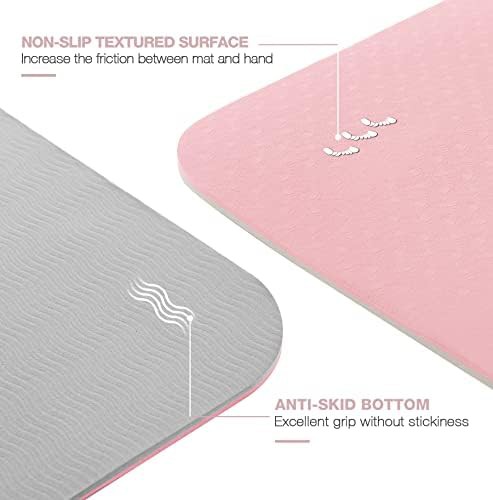
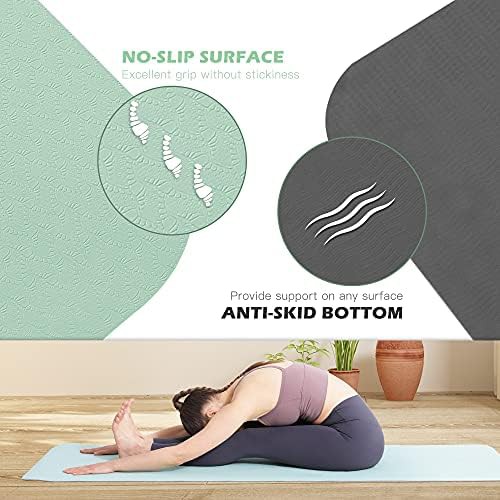
The samples show TPE and natural rubber as the two main builds. TPE is lighter and often paired with a non-slip finish, while natural rubber gives a denser grip and may include alignment lines. Both are finished with an anti-tear surface layer.
Can I use an anti-tear mat for hot yoga or outdoor sessions?
The non-slip surface and reinforced build handle sweat and movement well, and the sizes go up to 72 x 32 inches for more room. Outdoor use depends on the ground: rough concrete or gravel can still wear the surface over time. The mat resists tearing from normal practice, not from abrasive surfaces.
What anti-tear means in practice
Anti-tear construction addresses the failure that happens when a mat is asked to do more than cushion a quiet stretch. The surface resists the small nicks and pulls that start at the edges or under the palms during repeated transitions, and the core holds together instead of separating into layers. On these mats, the feature shows up as a reinforced skin over a denser middle, so the mat keeps its shape through daily home workouts rather than fraying at the corners.
How the build supports the claim
The samples point to two material routes: TPE and natural rubber, both finished with a non-slip surface. TPE mats tend to be lighter and come in thicknesses like 6mm and 1/2 inch, while the natural rubber option uses alignment lines and a denser grip. In each case, the anti-tear layer is part of the mat itself, not a coating that wears away after a few sessions.
Sizes and colors that carry the feature
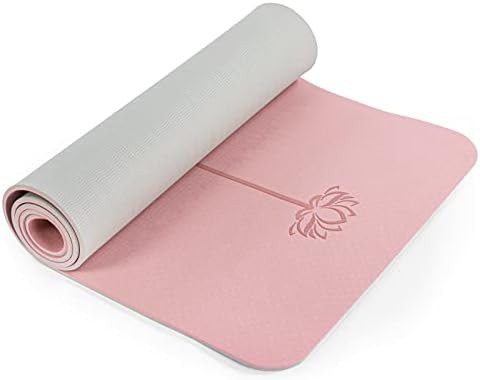
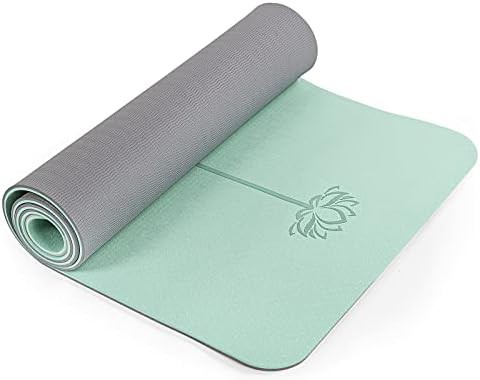
Width and length vary enough that the anti-tear build is not tied to one footprint. The selection includes: 72 x 24 inches, 72 x 32 inches, 68 inches, 6mm, 1/4 inch, 1/2 inch. Colors run from gray, blue, black, and navy to a pink-and-gray pairing, so the reinforced surface is available in the same palette as standard mats.
Where the feature stops helping
Anti-tear does not make a mat puncture-proof or immune to damage from claws, cleats, or sharp equipment. It also does not change how the mat feels underfoot: a 6mm TPE mat and a 1/2 inch TPE mat share the same tear resistance but sit very differently under the knees and wrists. If the priority is cushioning for seated practice, thickness matters more than the anti-tear layer.